 Admin
Admin “Mass gainer vs weight gainer — if you’ve ever walked into a supplement store or scrolled through Amazon or Flipkart trying to buy a gainer, you already know the confusion. Two products. Similar-sounding names. Wildly different price tags. And zero clarity on which one is actually right for YOU.”
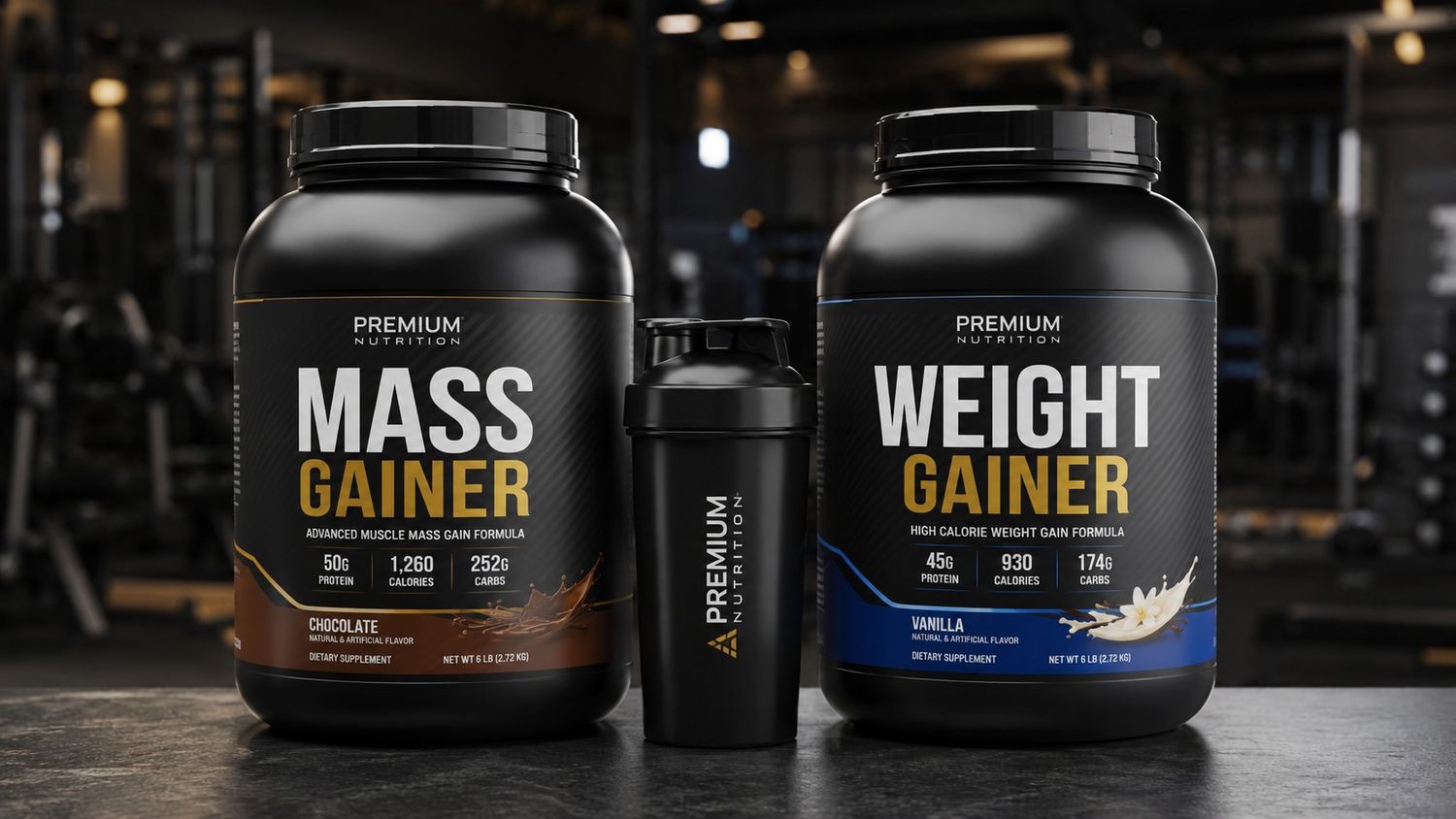
Here’s the truth: mass gainers and weight gainers are NOT the same thing — and picking the wrong one can mean months of wasted effort, unwanted fat gain, or zero results in the gym.
Whether you’re a hard gainer in Delhi trying to finally fill out your T-shirt, or a gym beginner in the USA looking to bulk up for the first time, this guide breaks down the 9 most critical differences between mass gainers and weight gainers in plain language — no fluff, no confusion.
Let’s get into it.
What Is a Mass Gainer? Understanding the Basics
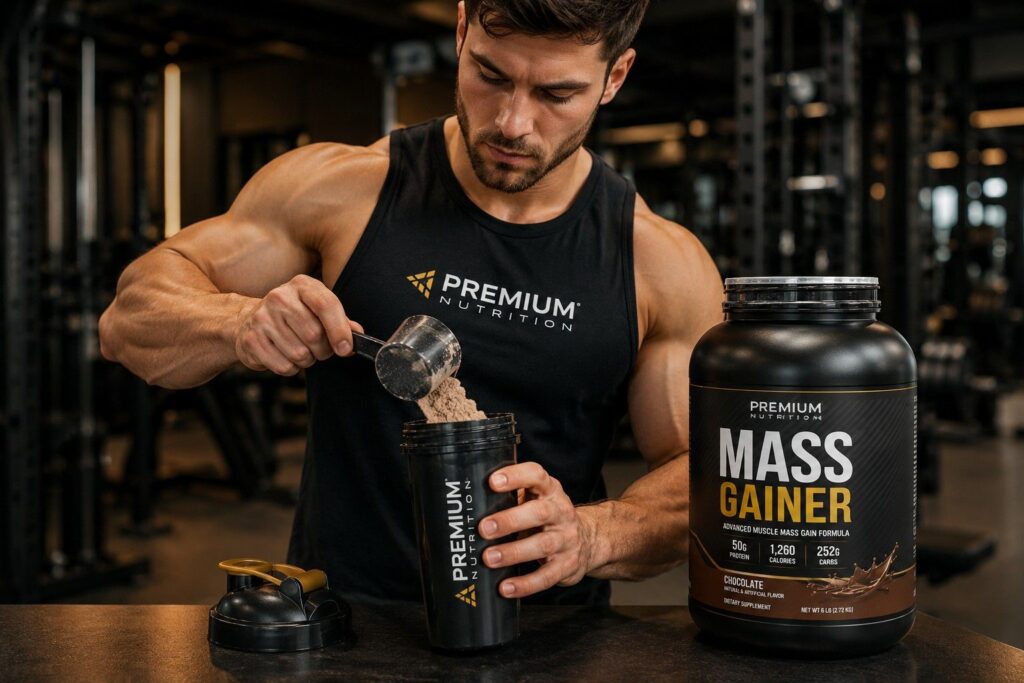
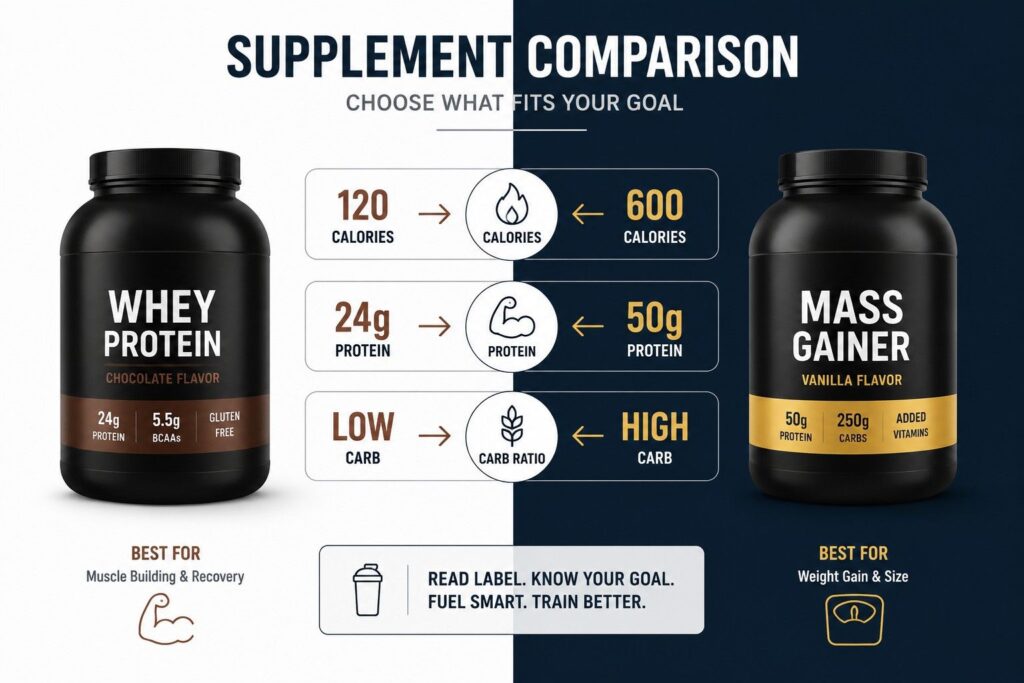
A mass gainer is a high-calorie supplement designed to help you build lean muscle mass. It combines protein, complex carbohydrates, healthy fats, fiber, vitamins, and minerals — all engineered to support muscle protein synthesis and workout recovery. The carb-to-protein ratio in most mass gainers sits around 2:1 or 3:1, meaning the focus is on muscle building, not just packing on pounds.
Typical per-serving profile: Calories: 500–800 kcal | Protein: 25–50g | Carbs: 80–150g | Fat: 5–15g
What Is a Weight Gainer? Understanding the Basics
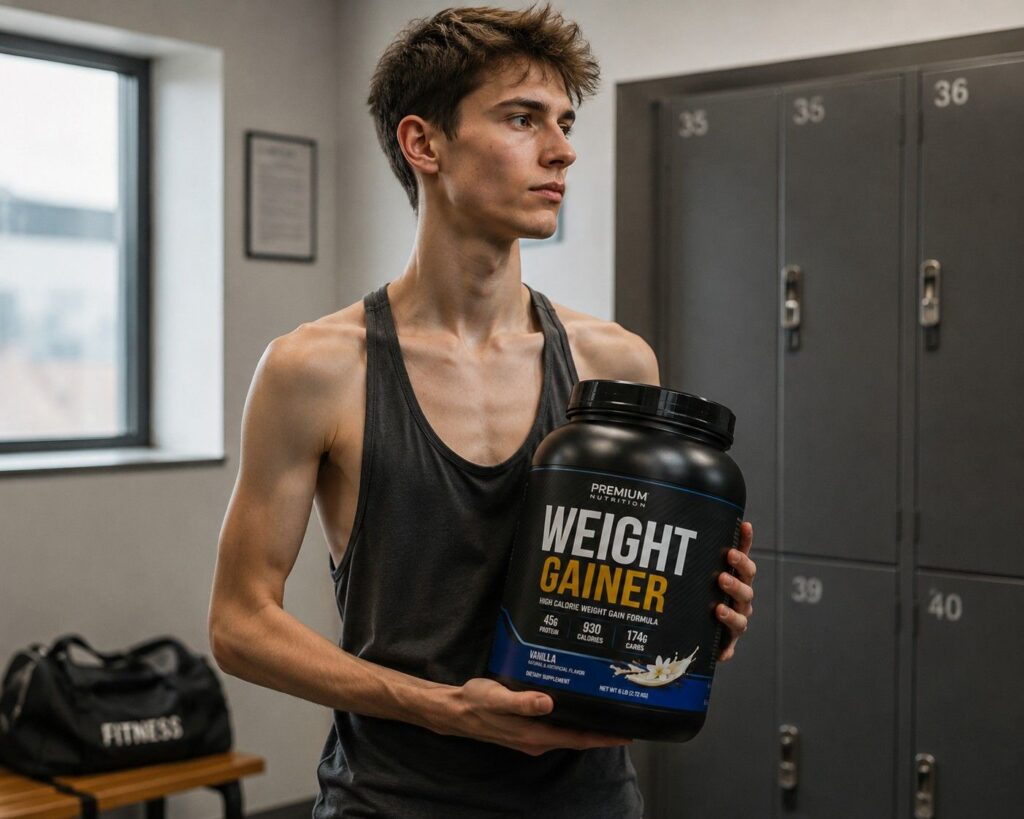
A weight gainer is a broader, higher-calorie supplement designed primarily for rapid weight increase. It contains far more carbohydrates — often simple carbs like maltodextrin and dextrose — with a carb-to-protein ratio that can go as high as 5:1 or even higher. The goal is simple: flood your body with calories so you gain weight fast, regardless of whether that weight is muscle or fat.
Typical per-serving profile: Calories: 700–1,300 kcal | Protein: 20–40g | Carbs: 150–300g | Fat: 10–20g
Why This Comparison Matters
Both supplements are used by people trying to gain size, but they serve completely different physiological goals. Using a weight gainer when your body needs a mass gainer — or vice versa — can lead to:
- Excess fat accumulation instead of lean muscle
- Digestive discomfort and bloating
- Wasted money on the wrong product
- Slower progress toward your actual physique goals
Now let’s break down the 9 key differences so you can make the smartest choice.
Mass Gainer vs Weight Gainer: 9 Key Differences
1. Primary Goal: Lean Muscle vs Total Weight
“This is the single most important distinction in the mass gainer vs weight gainer debate.”— and the one that should drive your entire decision.
Mass gainers are engineered to build lean muscle mass. Every macronutrient in the formula works in service of muscle protein synthesis and recovery. The caloric surplus it creates is controlled and intentional.
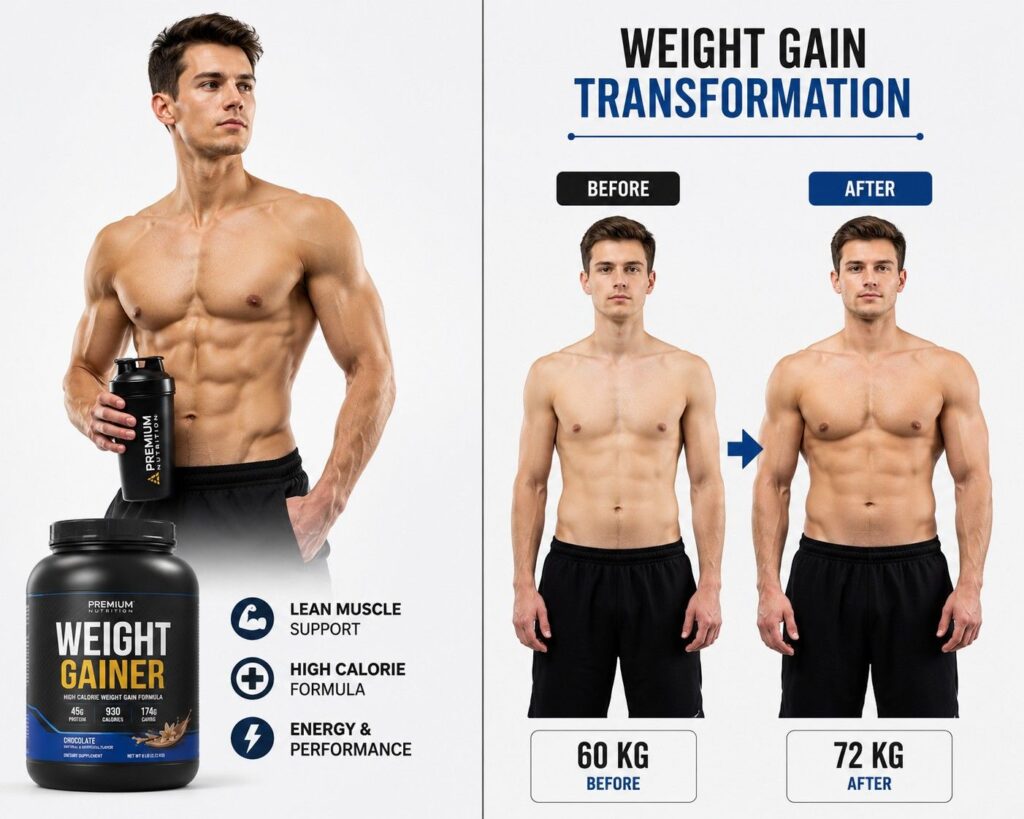
Weight gainers are engineered to increase body weight — period. They don’t distinguish between muscle and fat. The goal is to push your total body weight up on the scale as quickly as possible.
Bhai, agar tum lean and muscular dikhna chahte ho, mass gainer tumhara dost hai. But if your doctor or trainer has told you that you’re medically underweight and need to gain any kind of weight fast, a weight gainer might be the right call.
Bottom line: Mass gainer = muscle building. Weight gainer = overall weight increase.
2. Calorie Count Per Serving
Calories are where these two supplements diverge most dramatically.
Mass gainers typically deliver between 500 and 800 calories per serving. This creates a meaningful but manageable caloric surplus — enough to fuel muscle growth without overwhelming your body’s ability to process nutrients.
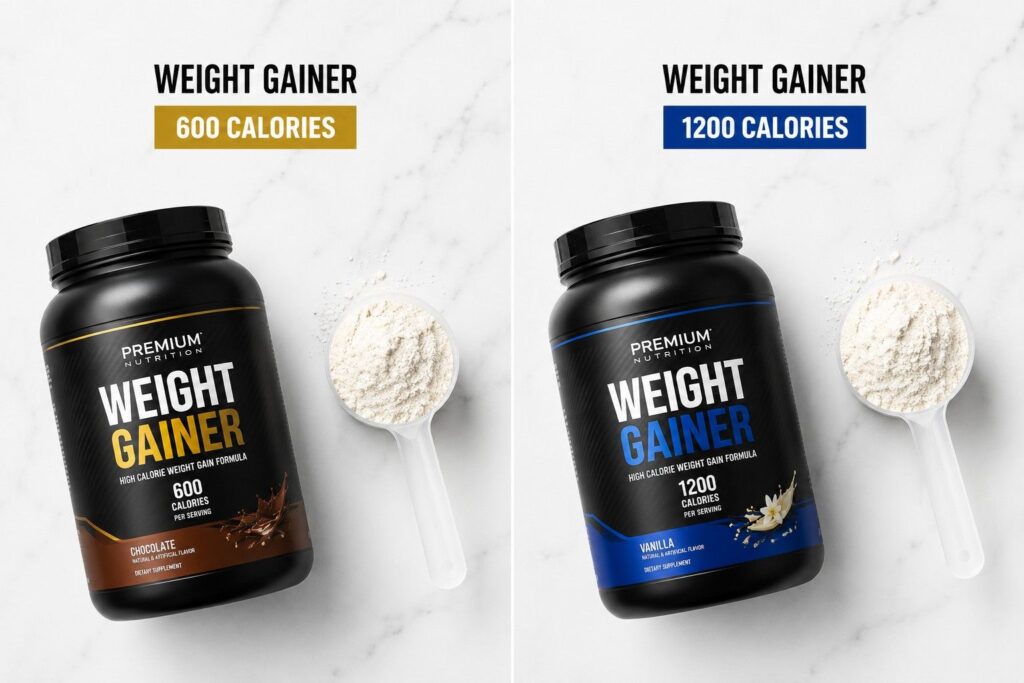
Weight gainers can pack anywhere from 700 to over 1,300 calories in a single serving. Some extreme products on the market hit close to 2,000 calories per scoop. That’s essentially a full day’s worth of calories for some individuals in a single shake.
For most gym-goers, especially beginners, this level of caloric density can easily tip the balance from “muscle gain” to “fat storage.”
Pro tip (USA & India): If you’re a male between 150–175 lbs (68–79 kg) doing 4–5 days of training per week, a mass gainer’s 500–700 calorie range is almost always the smarter choice.
3. Protein Content and Quality
Protein is the building block of muscle. And this is where mass gainers genuinely shine over weight gainers.
Mass gainers typically contain 25–50 grams of high-quality protein per serving, sourced from whey concentrate, whey isolate, casein, or a blend of both. This combination supports both fast post-workout recovery (whey) and sustained overnight muscle repair (casein).
Weight gainers, despite their larger serving sizes, often contain only 20–40 grams of protein — sometimes less as a percentage of total macros. And the protein sources in budget weight gainers tend to be lower quality, with more fillers.
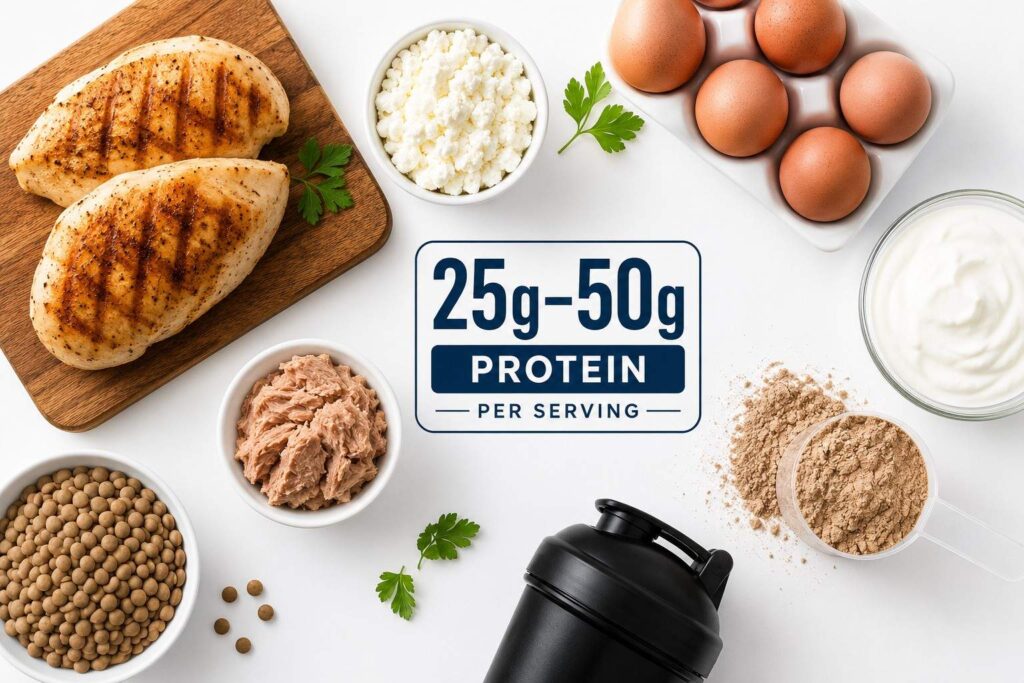
Research published and regularly cited by the International Society of Sports Nutrition (ISSN) recommends a daily protein intake of 1.6 to 2.2 grams per kilogram of body weight for individuals engaged in resistance training. Mass gainers are better aligned with hitting this target efficiently.
Key takeaway: If building actual muscle tissue is the priority, mass gainers deliver more protein per calorie than weight gainers.
4. Carbohydrate Type: Complex vs Simple
Not all carbs are created equal — and this difference is massive (pun intended).
Mass gainers are formulated with a higher proportion of complex carbohydrates: oat flour, sweet potato powder, brown rice, and slow-digesting starches. These carbs release energy gradually, support consistent glycogen replenishment, and avoid blood sugar spikes.
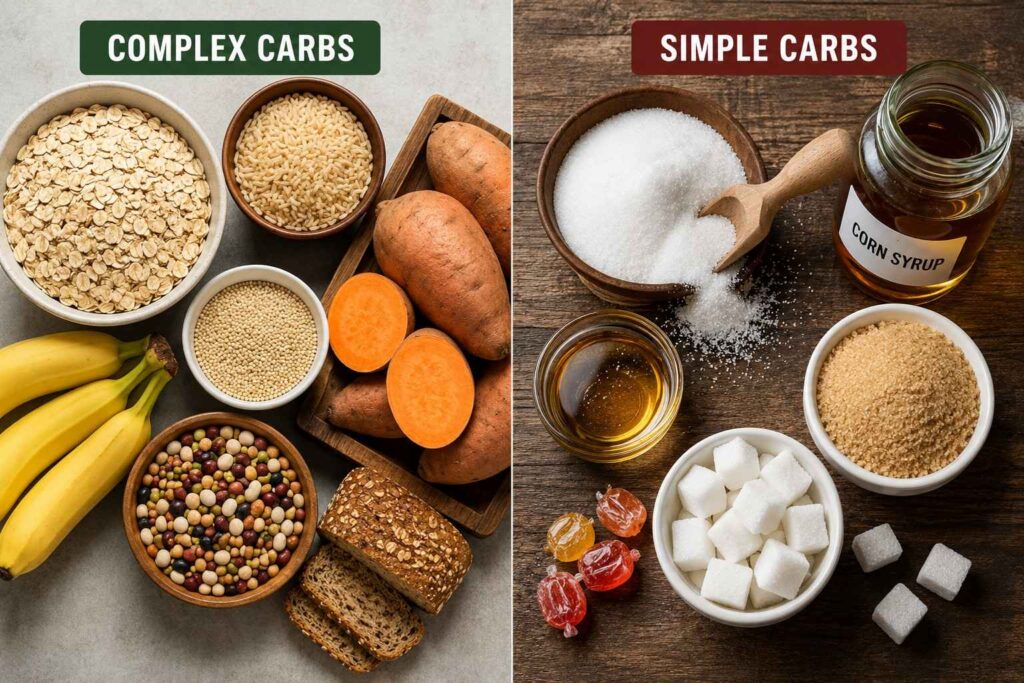
Weight gainers lean heavily on simple, fast-digesting carbs like maltodextrin, dextrose, and corn syrup solids. These spike blood glucose rapidly, which can be beneficial for ectomorphs (hardgainers with very fast metabolisms) who need rapid calorie absorption, but counterproductive for anyone with a slower metabolism or moderate body fat levels.
In simple terms:
- Complex carbs (mass gainer) = sustained energy, better body composition
- Simple carbs (weight gainer) = rapid calorie delivery, higher fat gain risk
5. Fat Content and Fat Sources
Fats are often overlooked in this comparison, but they matter for hormone production, joint health, and overall performance.
Mass gainers typically contain 5–15 grams of fat per serving, often sourced from MCT oil, flaxseed, or sunflower fat. These are quality fat sources that support testosterone production and reduce inflammation.
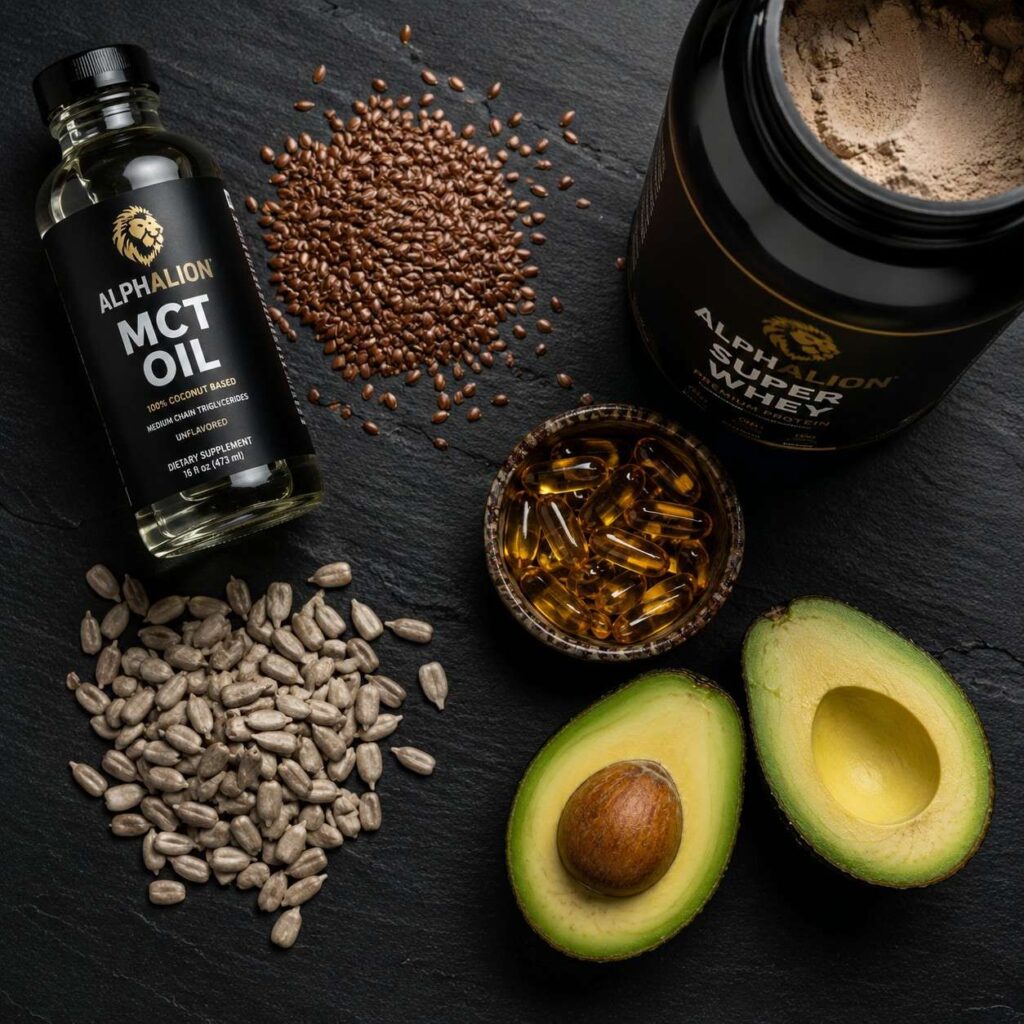
Weight gainers may contain 10–20+ grams of fat per serving, and in cheaper formulations, these fats can include saturated fats and lower-quality lipid sources that don’t offer the same health benefits.
For Indian users especially, where cardiovascular health is already a concern in the diet, this distinction matters. Choose products with transparent fat sourcing on the label.
6. Fiber, Vitamins, and Micronutrients
Here’s a difference most people never think about — but one that directly impacts digestion, nutrient absorption, and long-term health.
Premium mass gainers are typically enriched with dietary fiber (3–6g per serving), a multi-vitamin blend, and key minerals like magnesium, calcium, and zinc. This makes them function almost like a nutritional meal replacement — delivering micronutrient density alongside the caloric surplus.
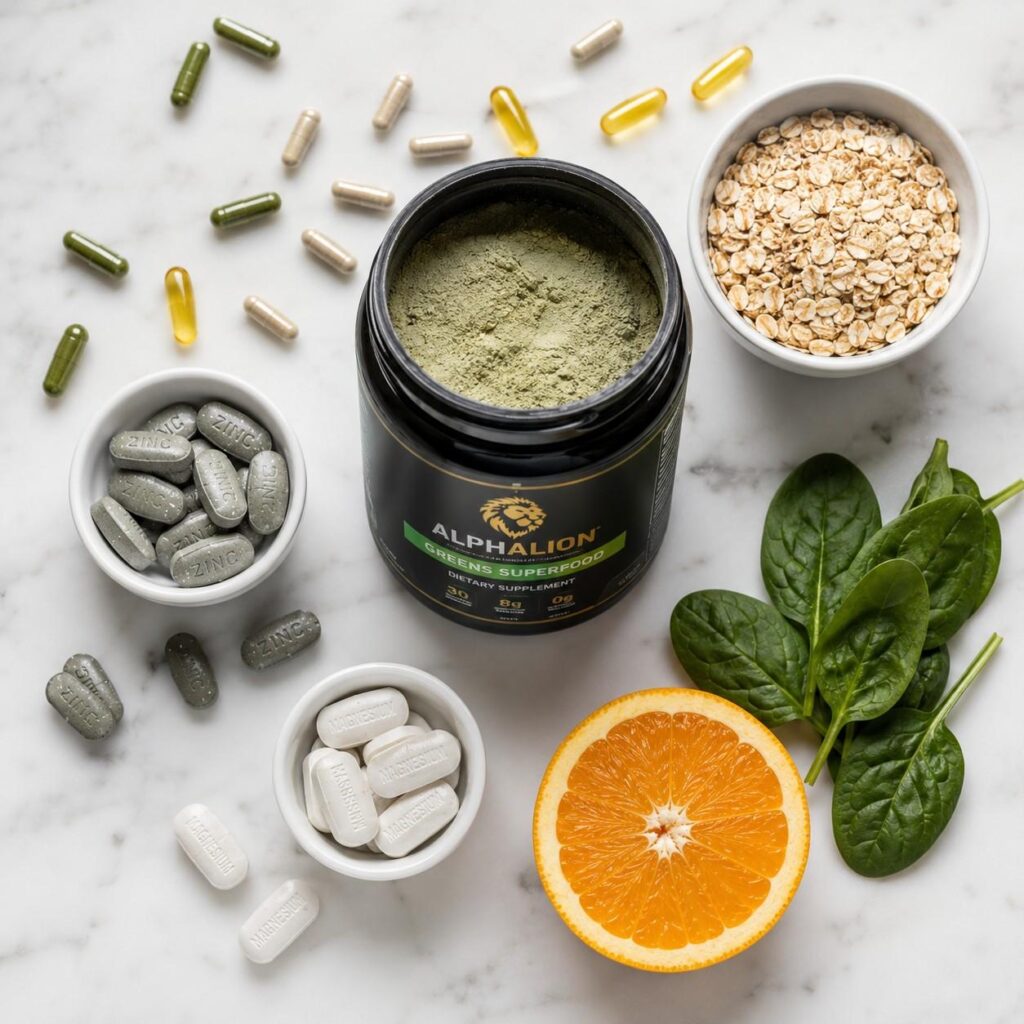
Weight gainers, by contrast, often strip out fiber and micronutrients to maximize calorie and carbohydrate content in the formula. You get the calories. That’s mostly it.
If you’re using your gainer as a partial meal replacement (common in India where eating 4–5 high-protein meals a day can be challenging), a mass gainer’s nutritional profile is far more practical and sustainable.
7. Who Should Use Which: Body Type and Fitness Goal
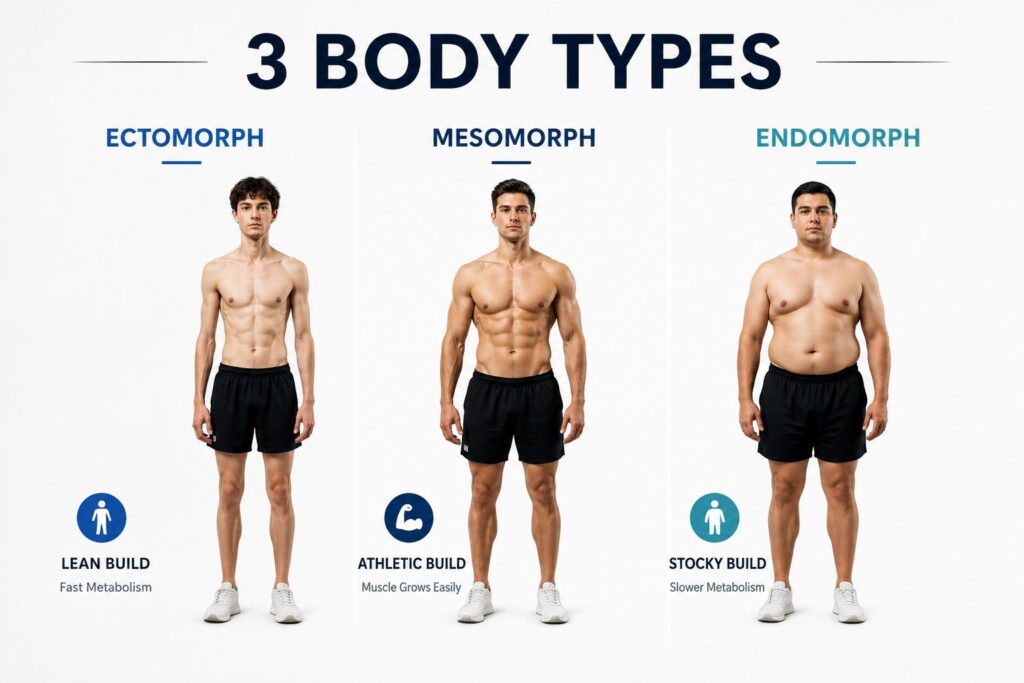
This is the question everyone actually wants answered. Here’s a clean breakdown by body type:
Ectomorph (Slim/Hardgainer): Naturally lean, fast metabolism, struggles to gain any weight despite eating. This person may benefit from either supplement, but should start with a mass gainer and only move to a weight gainer if they genuinely can’t consume enough calories from food + a mass gainer combined.
Mesomorph (Athletic Build): Gains and loses weight relatively easily. Responds well to training. For this body type, a mass gainer is almost always the better choice — enough caloric surplus for muscle growth without unnecessary fat accumulation.
Endomorph (Stockier Build / Higher Body Fat): Slower metabolism, gains fat easily. For this body type, a weight gainer is generally not recommended at all. Stick to a mass gainer with moderate calories, or even a high-protein meal replacement paired with consistent training.
Indian context note: The average Indian body type tends toward endomorphic characteristics due to diet, genetics, and lifestyle factors. This means most Indian gym-goers will see better, leaner results from a mass gainer than a standard weight gainer.
8. Taste, Mixability, and Practical Use
Let’s get real — if a supplement tastes terrible or clumps into a paste, you won’t use it consistently.
Mass gainers, due to their higher protein content and complex carbohydrate sources, tend to be thicker and more filling. They mix reasonably well with water but are often best blended with milk for a creamier texture. Many users in both the USA and India prefer mixing with full-fat milk to boost the calorie and protein count naturally.
Weight gainers, due to the higher concentration of simple sugars and maltodextrin, often dissolve more easily in water, but can taste overly sweet and cause digestive discomfort — bloating, gas, and loose stools are common complaints, especially for users with lactose sensitivity.
Practical tip: Start with half a serving of either product to assess your digestive tolerance before going to a full serving.
9. Price, Value, and Brand Considerations (USA + India)
Lastly, the money question.
In the USA, mass gainers from reputable brands like Optimum Nutrition, MuscleTech, and Transparent Labs typically range from $35–$65 for a 6–12 lb container. Weight gainers are often priced similarly but offer more servings per dollar due to the carbohydrate-heavy composition.
In India, mass gainers from brands like MuscleBlaze, Big Muscles, Nutrabay, and Optimum Nutrition (imported) range from ₹2,000–₹6,000 for a 3–6 kg pack. Weight gainers from the same brands tend to be slightly cheaper per serving.
However, value should never be measured in price per serving alone. It should be measured in results per rupee or results per dollar. A cheaper weight gainer that packs on fat instead of muscle offers you zero real value. A quality mass gainer that supports consistent lean muscle gain is always the better investment.
Red flags to avoid on any label:
- First ingredient is maltodextrin or sugar
- No protein source specified (just “protein blend”)
- No third-party testing certificate (look for NSF, Informed Sport, or FSSAI certification in India)
- Proprietary blends with no individual ingredient amounts
Mass Gainer vs Weight Gainer: Side-by-Side Summary Table
“Here is a full mass gainer vs weight gainer breakdown in a single table for quick reference.”
| Feature | Mass Gainer | Weight Gainer |
|---|---|---|
| Primary Goal | Lean muscle building | Overall weight increase |
| Calories/Serving | 500–800 kcal | 700–1,300+ kcal |
| Protein Content | 25–50g | 20–40g |
| Carb Type | Mostly complex | Mostly simple |
| Carb:Protein Ratio | 2:1 to 3:1 | 4:1 to 5:1+ |
| Fat Quality | MCT, flaxseed | Variable |
| Fiber/Vitamins | Often included | Often minimal |
| Best For | Mesomorphs, lean bulk | Ectomorphs, underweight |
| Fat Gain Risk | Low to moderate | Moderate to high |
| Price Value | Higher quality per gram | Higher calories per dollar |
Frequently Asked Questions

Q: Is mass gainer and weight gainer the same thing?
No. While both are high-calorie supplements, mass gainers focus on building lean muscle with quality protein and complex carbs, while weight gainers prioritize rapid weight increase with higher simple carbohydrate content and greater total calories per serving.
Q: Which is better — mass gainer or weight gainer?
It depends on your body type and goal. Mass gainers are better for most people who want lean muscle without excess fat gain. Weight gainers are better suited for severely underweight individuals or extreme hardgainers who need maximum calorie intake.
Q: Can I take a mass gainer without working out?
It is not recommended. Without resistance training, the excess calories from a mass gainer will likely be stored as fat rather than converted into lean muscle tissue.
Q: What is the best time to take a mass gainer?
The most effective time is within 30–60 minutes after a workout to support muscle recovery and glycogen replenishment. Some users also take it as a between-meal snack if they struggle to meet daily caloric targets.
Q: Is mass gainer good for beginners in India?
Yes. For Indian gym beginners who are lean or have difficulty eating enough food due to appetite, lifestyle, or a vegetarian diet, a mass gainer with 500–700 calories and 30+ grams of protein is a practical and effective way to support muscle growth.
Final Verdict: Which One Is Right for You?
“When it comes to mass gainer vs weight gainer, your body type and fitness goal should always make the final call.”
Choose a MASS GAINER if:
- You want to build lean muscle with minimal fat gain
- You already have some body fat and want a cleaner bulk
- You’re a beginner to intermediate gym-goer
- You train 3–5 times per week consistently
- You’re an Indian gym-goer with a moderate-to-slow metabolism
Choose a WEIGHT GAINER if:
- You are severely underweight or medically underweight
- You have an extremely fast metabolism and struggle to gain any weight
- You’re a hardcore ectomorph who has already tried a mass gainer and saw no results
- A healthcare professional or sports nutritionist has specifically recommended it
- The right supplement, combined with consistent training and a balanced diet, is what actually moves the needle. Ab bas sochna band karo — choose smart, train hard, and let the gains follow.
You May Also Like: https://coresuppliments.com/what-does-mass-gainer-do-10/, https://coresuppliments.com/best-mass-gainer-for-skinny-guys/

 Admin
Admin