 Admin
Admin If you have ever stood in front of a supplement store shelf in India holding a tub of pre-workout and thinking “does pre-workout really help build muscle or is it a lot of talk?”. You are definitely not alone. Lots of people who go to the gym people who are just starting out have this question. They want to know where to spend their money on supplements.
Let us find out the answer to this question once and, for all. We will use facts to figure this out, not the things that companies say to try to get you to buy their products. In this article we will tell you how pre-workout works whether it really helps build muscle and how you can use pre-workout in a smart way to get real results that you can see.
What Exactly Is Pre-Workout, First?
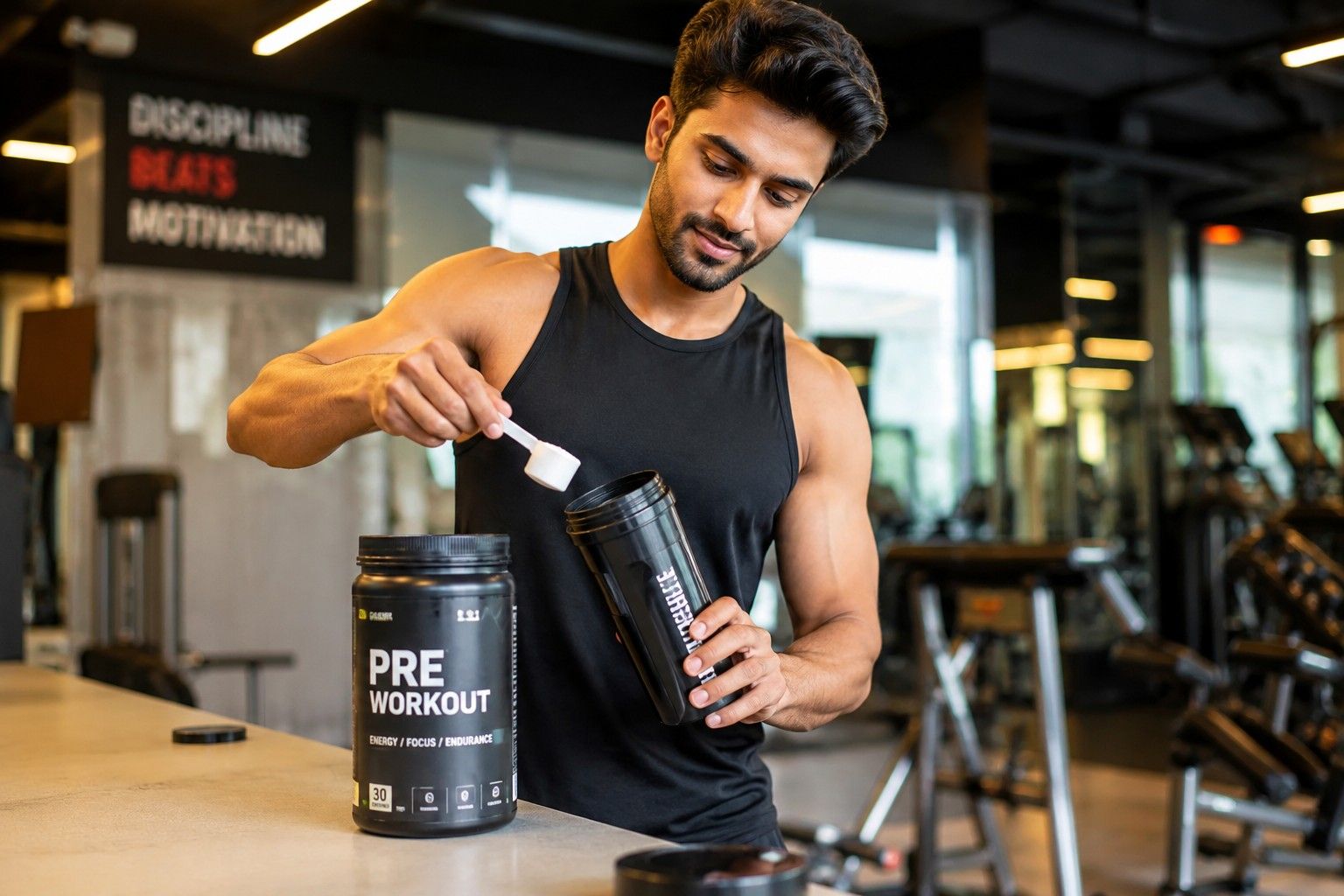
Pre-workout is a supplement, usually in powder form, that you mix with water and drink 20-30 minutes before hitting the gym. It is designed to give you an energy boost, sharper focus, and better pump during training.
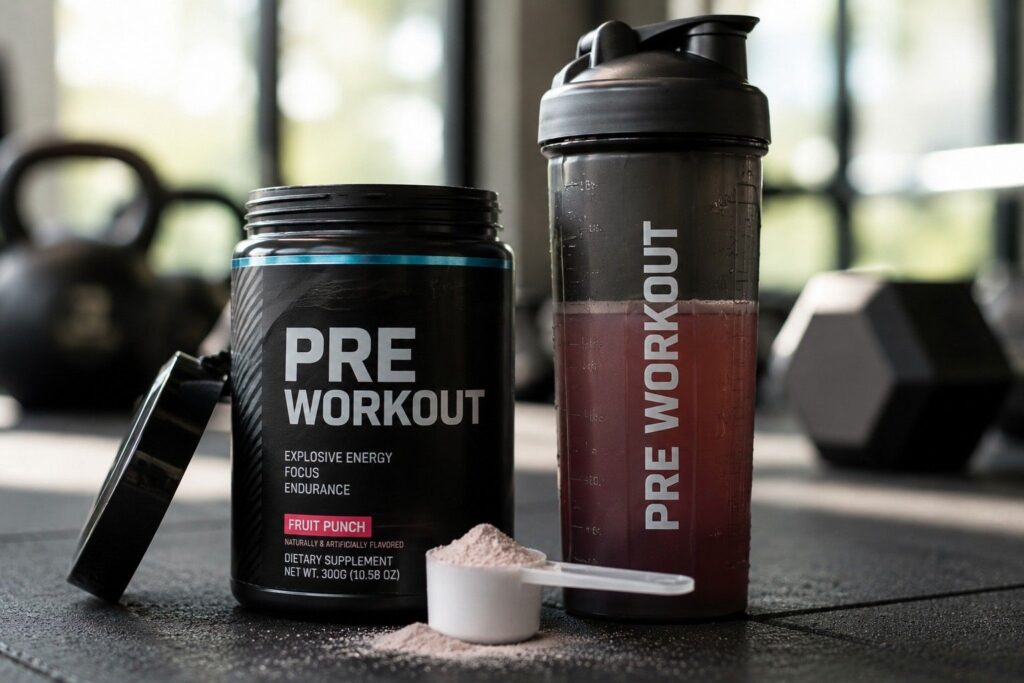
Common ingredients include caffeine, beta-alanine, citrulline malate, creatine, BCAAs, and sometimes taurine or L-theanine. Each of these plays a different role, and understanding them is key to answering our main question properly.
Does Pre Workout Help Build Muscle Directly? Here’s the Honest Answer
Let’s be very clear about this: pre-workout does not directly build muscle. No supplement magically grows muscle tissue on its own. Muscle growth happens through progressive overload, proper protein intake, and adequate recovery.
However, pre-workout indirectly supports muscle building by improving the quality of your workout. Think of it this way — if a supplement helps you lift heavier, push more reps, and stay focused through your entire session, you are creating a stronger stimulus for muscle growth. Over weeks and months, this compounding effect can genuinely help you build more muscle than you would without it.
So the real answer to “does pre workout help build muscle” is: not directly, but yes, it can accelerate your progress when combined with proper training and nutrition.
1. Caffeine Increases Strength Output and Focus
Caffeine is the most researched ingredient in pre-workout, and for good reason. It stimulates your central nervous system, reduces perceived fatigue, and allows you to push harder during your sets. Many Indian gym-goers report being able to complete an extra rep or two once caffeine kicks in.
More reps and heavier lifts over time translate into more muscle fiber recruitment — which is a key driver of hypertrophy (muscle growth).
2. Beta-Alanine Delays Muscle Fatigue
Beta-alanine is responsible for that tingling sensation you feel on your skin after taking pre-workout. It works by buffering lactic acid buildup in your muscles, which means you can train longer before your muscles start burning out.
This matters because training volume (total reps and sets) is directly linked to muscle growth. If beta-alanine helps you squeeze out those last few reps in a set, you are maximizing your muscle-building potential in every session.

3. Citrulline Malate Improves Blood Flow and Pump
Citrulline malate boosts nitric oxide production, which widens your blood vessels and increases blood flow to your working muscles. This is what gives you that satisfying “pump” feeling during a workout.
Better blood flow means more oxygen and nutrients reaching your muscles during training, which can support better performance and recovery — both important pieces of the muscle-building puzzle.
4. Creatine in Pre-Workout Supports Strength and Size
Some pre-workout formulas include creatine monohydrate, one of the most well-researched supplements for muscle building. Creatine helps regenerate ATP (your muscles’ energy currency) faster, allowing you to lift heavier for more reps.
If your pre-workout contains creatine, this is one of the few ingredients that has a more direct link to muscle size and strength gains over time, especially with consistent use.
5. BCAAs May Support Muscle Recovery
Branch Chain Amino Acids (BCAAs) are sometimes added to pre-workout blends to reduce muscle breakdown during intense training. While the research on BCAAs alone is mixed, they can be a helpful addition if your overall protein intake through diet is already on point.

6. Better Focus Means Better Mind-Muscle Connection
One underrated benefit of pre-workout is mental focus. Ingredients like L-theanine (often paired with caffeine) help you stay calm yet alert, improving your mind-muscle connection during lifts.
When you are more focused on the muscle you are training rather than distractions around you, your form improves — and better form means better muscle activation and fewer injuries.
7. Pre-Workout Can Help You Stay Consistent
Some days, especially after a long work schedule (a very real struggle for most Indian professionals balancing office and gym life), motivation to train is low. A good pre-workout can give you that mental and physical push to show up and complete your session instead of skipping it.
Consistency, more than any single supplement, is what actually builds muscle over months and years. In this sense, pre-workout playing a role in helping you stay consistent is a genuine indirect contributor to muscle growth.
8. It Is Not a Replacement for Protein or Calories
This is where many beginners in India go wrong. They expect pre-workout to do the job that protein and a proper calorie surplus should be doing. No amount of pre-workout will build muscle if you are not eating enough protein (around 1.6-2.2g per kg body weight) or if you are in a calorie deficit while trying to bulk.
Pre-workout is a performance enhancer for your training session — not a muscle-building shortcut that replaces diet fundamentals.

9. Timing and Dosage Matter for Best Results
To get the maximum benefit from your pre-workout, timing is everything. Most experts recommend taking it 20-30 minutes before your workout on an empty-ish stomach for faster absorption. Taking it too early or too late can reduce its effectiveness.
If you want a detailed, step-by-step breakdown of exact timing, dosage, and usage tips, check out our complete guide on how to take pre-workout for maximum results.
10. Know the Side Effects Before You Start
While pre-workout can genuinely support your training performance, it is not without risks if misused.Common side effects include jitters, increased heart rate, digestive discomfort, and sleep disturbances if taken too late in the day.
It is important to understand your tolerance, especially if you are sensitive to caffeine. We have covered this in detail in our article on pre-workout side effects — a must-read before you start using it regularly.

11. Choose the Right Pre-Workout for Muscle Building Goals
Not all pre-workouts are created equal. If your main goal is muscle building, look for a formula that includes:
- Caffeine (150-300mg)
- Beta-alanine (2-5g)
- Citrulline malate (6-8g)
- Creatine monohydrate (3-5g), if you’re not already supplementing separately
Avoid proprietary blends that don’t disclose exact ingredient quantities, as this makes it impossible to know if you are getting an effective dose.
12. Natural Alternatives for Beginners
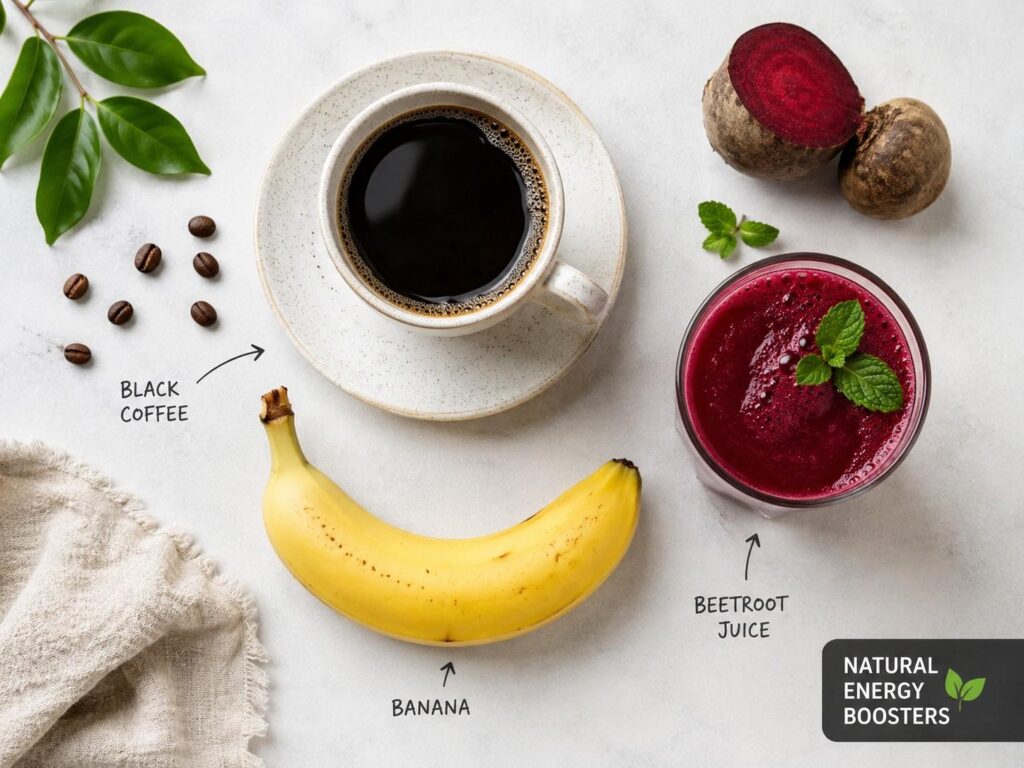
If you are just starting out and want to test whether pre-workout suits you, natural alternatives like black coffee, banana with black coffee, or beetroot juice (for nitric oxide boost) can offer a milder version of similar benefits without artificial ingredients.
This is a good starting point for beginners in India who want to ease into performance supplementation without jumping straight into strong formulas.
Final Verdict: Does Pre Workout Help Build Muscle?
To wrap it up simply — pre-workout does not build muscle by itself, but it creates the right conditions for better training, which is one of the three pillars of muscle growth (training, nutrition, and recovery). Used correctly, alongside a solid diet and consistent training program, it can absolutely help you build muscle faster and train harder than you would otherwise.
Think of pre-workout as a tool that sharpens your training performance — not a magic muscle-building potion.
Frequently Asked Questions (FAQs)

Q1. Does pre workout help build muscle on its own?
No, pre-workout does not directly build muscle. It enhances your training performance by boosting energy, focus, and endurance, which indirectly supports muscle growth over time.
Q2. Can beginners in India take pre-workout safely?
Yes, beginners can take pre-workout, but it’s best to start with a half dose to check tolerance, especially for caffeine sensitivity.
Q3. Is it necessary to take pre-workout every day?
No, it’s not necessary. Many experienced lifters cycle pre-workout use to avoid building tolerance and to prevent dependency on caffeine for training motivation.
Q4. Can I take pre-workout without protein supplements?
Yes, you can. Pre-workout and protein serve different purposes — pre-workout boosts your training session, while protein supports muscle repair and growth afterward. Ideally, both work best together with a solid diet.
Q5. What is the best time to take pre-workout for muscle building?
Taking it 20-30 minutes before your workout, ideally on a light stomach, allows for optimal absorption and effectiveness.
Q6. Are there any side effects of using pre-workout regularly?
Yes, possible side effects include jitters, increased heart rate, and sleep issues if taken too late. Read our detailed guide on pre-workout side effects to understand more.
Final Thought
At the end of the day, no supplement — pre-workout included — can outwork a bad diet or an inconsistent gym routine. What pre-workout can do is give you that extra 10% push on days you need it most, whether that’s after a tiring office day or during a heavy leg session. Use it as a tool, not a crutch, pair it with real food and proper recovery, and you’ll see it genuinely support the muscle you’re working hard to build.
Start smart, listen to your body, and let consistency — not shortcuts — be the real driver of your gains.

 Admin
Admin