
 Admin
Admin Mass gainers are among the most popular supplements in the fitness world — whether you’re hitting the gym in New York, Mumbai, or anywhere in between. Promising rapid weight gain, sky-high calorie counts, and a convenient route to a bigger physique, they’ve become a go-to for hard gainers and bodybuilders alike.
But here’s what most supplement brands won’t tell you on the label.
Mass gainer side effects are real, and some of them can seriously derail your health if you’re not careful.
This isn’t a scare piece. It’s an honest, research-backed breakdown for anyone serious about their fitness journey. The goal is simple: help you get the gains without the damage.
Let’s get into it.
What Is a Mass Gainer? (Quick Context)
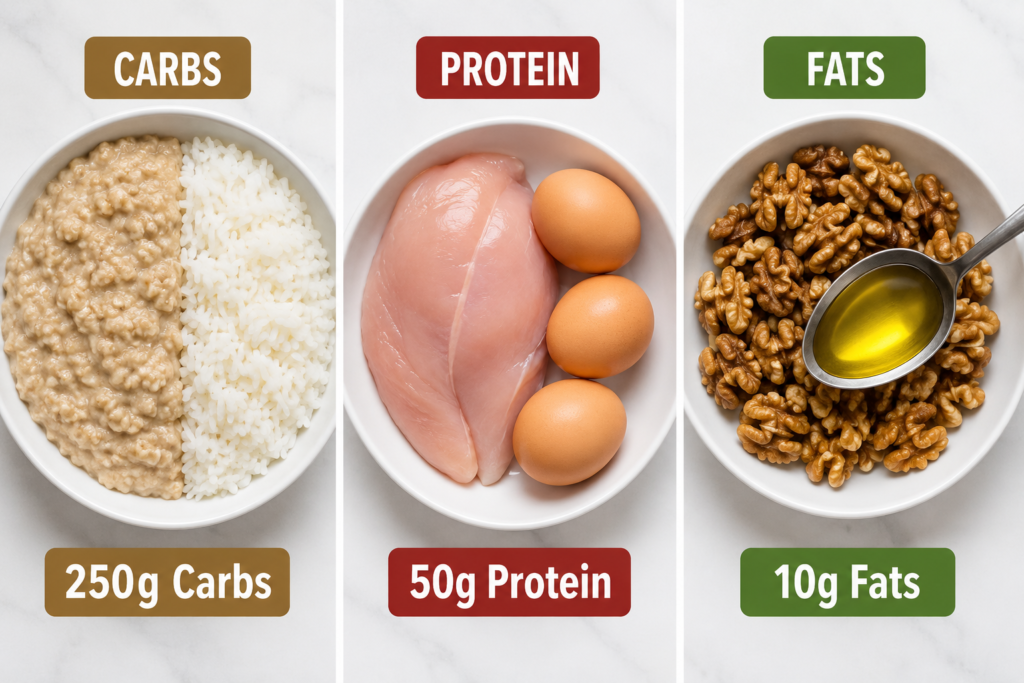
A mass gainer is a high-calorie nutritional supplement typically containing a blend of carbohydrates, proteins, and fats — often delivering 600 to 1,500+ calories per serving. They come in powder form and are mixed with water or milk.
Unlike regular whey protein, mass gainers are engineered for one purpose: caloric surplus. That surplus is what drives weight gain.
The problem? How those calories are delivered — and in what quantities — is where things get complicated.
13 Mass Gainer Side Effects You Need to Know
1. Bloating and Excessive Gas
This is the most common complaint among mass gainer users across Reddit threads, gym floors, and nutrition forums alike.
Mass gainers pack enormous amounts of carbohydrates — often 100–250 grams per serving — alongside high protein content. When your digestive system receives this nutrient flood, it often struggles to process it efficiently. The result? Bloating, flatulence, and that uncomfortable “inflated tire” feeling in your gut.

Many formulas also contain maltodextrin, lactose (from whey), or added fiber — all of which can compound digestive distress, especially if you have a sensitive stomach.
Who’s most at risk: Individuals who are lactose intolerant, those new to supplementation, or anyone who consumes a full serving all at once on an empty stomach.
Smart fix: Start with half a serving. Spread intake across the day. Opt for plant-based mass gainers if you’re lactose sensitive.
2. Unwanted Fat Gain (Not Just Muscle)
Here’s the hard truth most marketing glosses over: a caloric surplus builds both muscle AND fat.
Your muscles can only synthesize a limited amount of new tissue per week — research suggests roughly 0.5 to 1 pound of muscle per week under optimal training conditions. Everything beyond that gets stored as body fat. Many users gain 10–15 pounds in a month on mass gainers, but only 1–2 pounds of that may actually be lean muscle tissue.
If your training volume and intensity don’t match the caloric load of your mass gainer, you will get heavier — but not necessarily in the way you want.
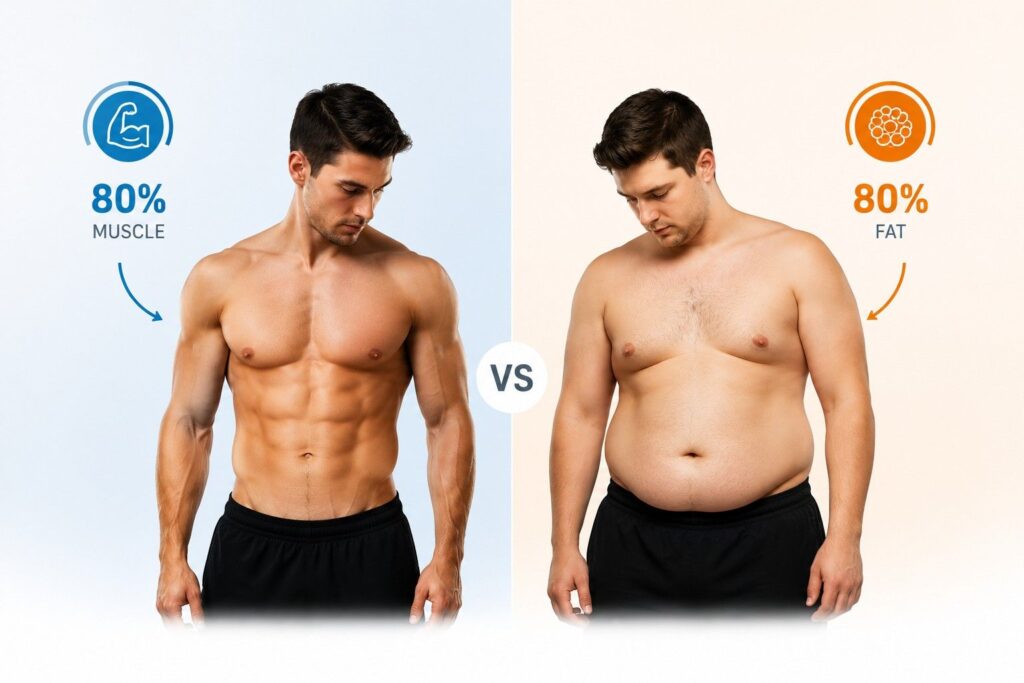
Who’s most at risk: Anyone skipping strength training sessions, those working desk jobs with low daily activity, or users who treat mass gainers as a meal replacement rather than a supplement.
Smart fix: Mass gainers must be paired with structured, progressive resistance training. Track your calories. Use a TDEE (Total Daily Energy Expenditure) calculator to ensure you’re in a controlled surplus — not a reckless one.
3. Blood Sugar Spikes and Insulin Disruption
This is one of the most underappreciated mass gainer side effects — and it’s a serious one.
Most mass gainers are loaded with high-glycemic carbohydrates: maltodextrin, glucose syrups, and simple sugars. Maltodextrin, in particular, has a glycemic index higher than table sugar. Every time you down a serving, your blood sugar surges sharply, triggering a large insulin response.
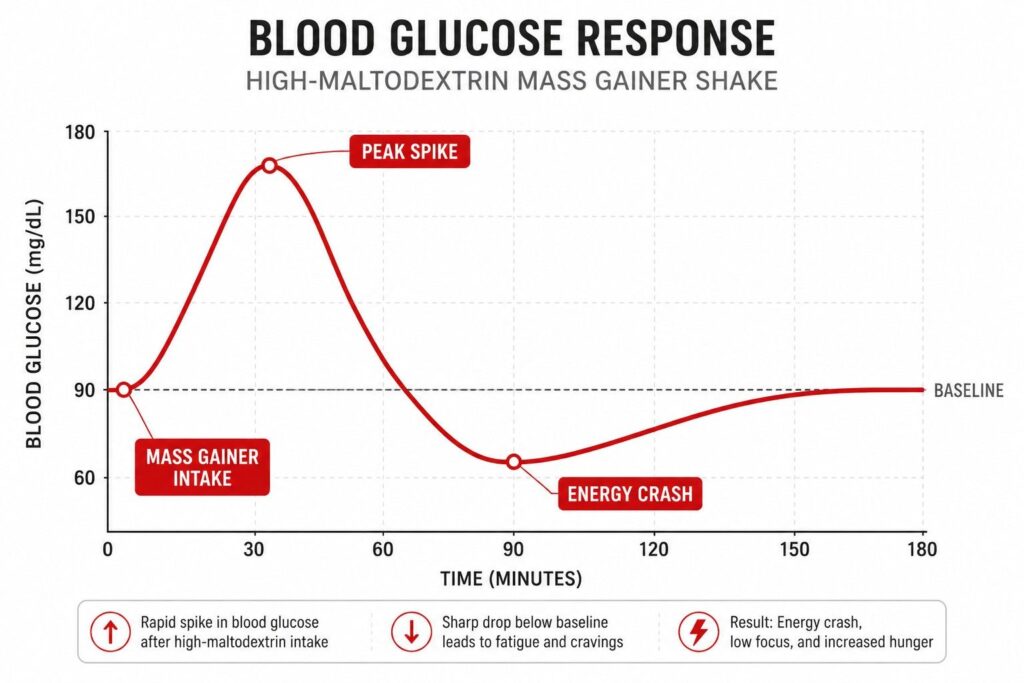
Over time, repeated blood sugar spikes can:
- Contribute to insulin resistance (where your cells stop responding properly to insulin)
- Increase cravings and energy crashes
- Elevate your risk of developing type 2 diabetes — especially if you have a family history
Manufacturers sometimes disguise added sugars on labels under names like maltodextrin, corn syrup, dextrose, or fructose. Read ingredient panels carefully.
Who’s most at risk: Pre-diabetics, individuals with insulin resistance, those with a family history of type 2 diabetes, and sedentary users.
Smart fix: Choose mass gainers that use complex, slow-digesting carbohydrates (oat flour, sweet potato powder, brown rice). Pair carbohydrate-heavy servings with fiber-rich whole foods to blunt the glycemic spike.
4. Kidney Strain from Excessive Protein
Your kidneys are your body’s filtration system. Every gram of protein you consume creates metabolic byproducts — particularly nitrogen — that the kidneys must process and excrete.
When you’re consuming 50–100+ grams of protein from a mass gainer on top of dietary protein from meals, you’re placing a significantly elevated burden on your kidneys. For healthy individuals, this is generally manageable — but prolonged excessive protein intake can impair kidney function over time.
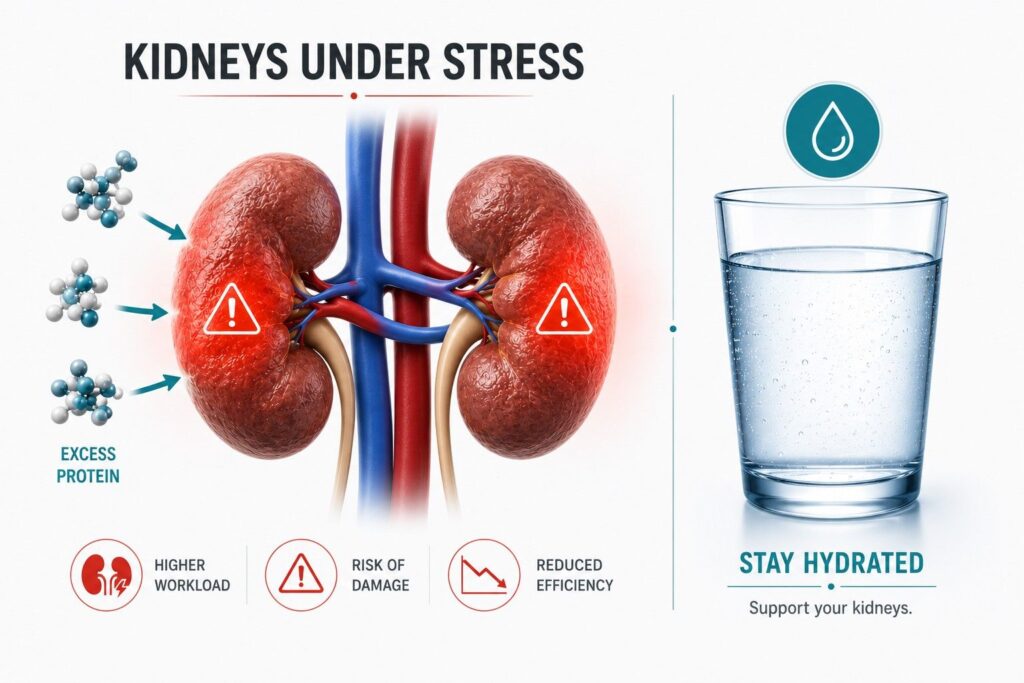
For anyone with a pre-existing kidney condition, even mild strain can accelerate damage.
Who’s most at risk: Anyone with pre-existing kidney disease or reduced kidney function, individuals consuming 2+ grams of protein per pound of body weight daily, those who are chronically dehydrated.
Smart fix: Stay well-hydrated (aim for 3–4 liters of water daily). Keep your total daily protein intake within evidence-based ranges — typically 0.7 to 1 gram per pound of body weight for most lifters. Get your kidney function checked annually if you supplement heavily.
5. Liver Stress
Less discussed but equally important: mass gainers can stress the liver.
The liver is responsible for converting protein into usable amino acids and managing nitrogen balance. When protein intake is chronically excessive, the liver works overtime. Some mass gainer formulas also contain creatine — a popular performance compound — which, while beneficial in proper doses, can add additional metabolic load.
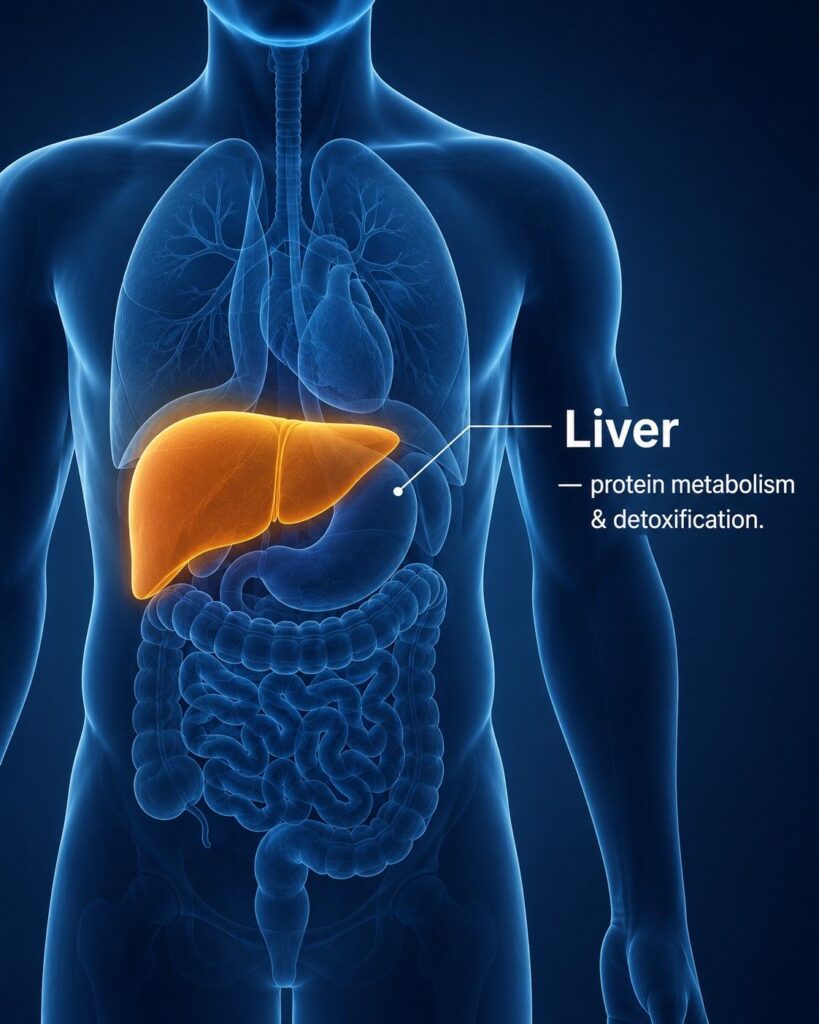
Artificial additives, preservatives, and low-quality fillers found in budget mass gainers can also burden the liver’s detoxification pathways.
Who’s most at risk: Individuals with existing liver conditions (fatty liver disease, hepatitis), those who consume alcohol regularly, users of multiple supplements simultaneously.
Smart fix: Choose clean-label products with minimal artificial additives. Cycle off supplements periodically. Avoid alcohol when using mass gainers regularly.
6. Nausea and Stomach Cramps
Nausea is particularly common among new users and those who consume mass gainers immediately post-workout.
After an intense training session, blood flow is diverted to your muscles — away from your digestive organs. Dumping 1,000+ calories of dense nutrients into your gut at this moment creates a processing bottleneck. Nutrition researcher Steve Hertzler has noted that mass gainers can sit in the stomach longer than expected in this state, triggering nausea.

Some users also experience sharp stomach cramps due to the high osmolarity of mass gainer shakes — essentially, the nutrient-dense liquid pulls water into the gut, causing discomfort.
Who’s most at risk: New users, those mixing mass gainers with milk (which increases caloric and lactose density), anyone consuming them in a single large serving.
Smart fix: Wait 45–60 minutes post-workout before consuming your mass gainer. Mix with water instead of milk initially. Start with smaller servings and build up gradually.
7. Increased Risk of Type 2 Diabetes
This side effect is closely linked to the blood sugar spike issue above, but warrants its own discussion given its long-term severity.
The combination of high-sugar carbohydrate sources, excessive calories, and often-sedentary usage patterns makes mass gainers a meaningful risk factor for metabolic dysfunction. Obesity and elevated LDL cholesterol — both of which can result from improper mass gainer use — are among the most prominent markers for type 2 diabetes.
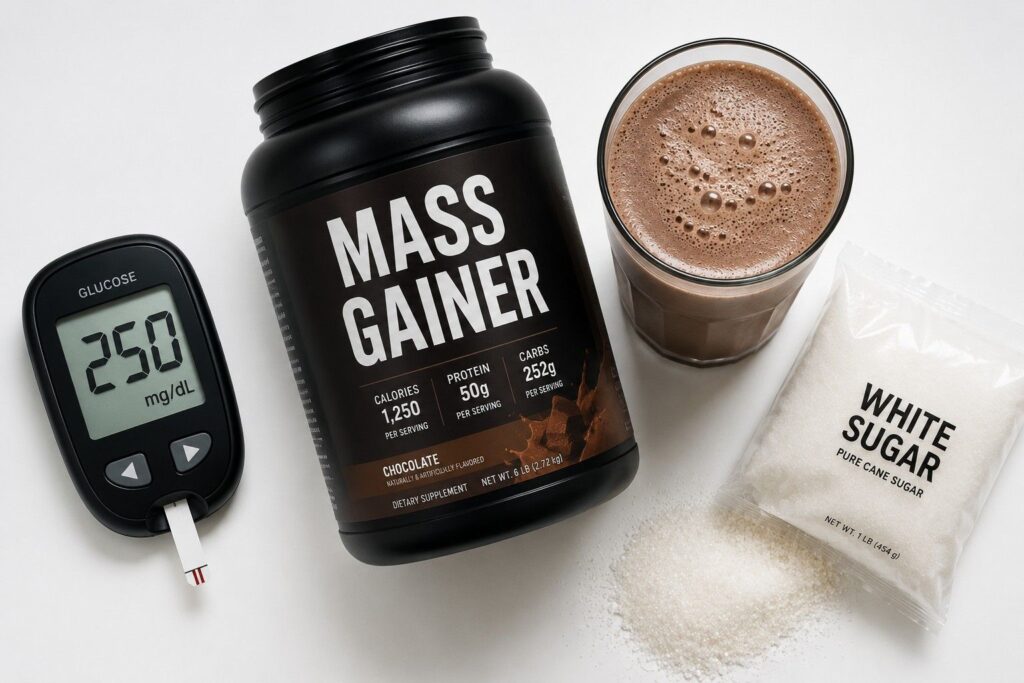
In India, where there is already a high genetic predisposition to type 2 diabetes among South Asian populations, this risk is especially relevant. In the USA, where metabolic syndrome rates are climbing, users should be equally cautious.
Who’s most at risk: South Asian individuals (due to genetic predisposition), those with family histories of diabetes, overweight users, and those who use mass gainers without consistent exercise.
Smart fix: Monitor blood sugar quarterly if using mass gainers long-term. Choose formulas with low-glycemic carb profiles. Never use mass gainers to replace meals.
8. Unhealthy Weight Gain and Increased Body Fat Percentage
There’s a meaningful difference between gaining weight and gaining muscle. Mass gainers can accelerate the former while delivering far less of the latter than expected.
Simple sugars in mass gainers deliver empty calories. Without an appropriate training stimulus, those calories bypass muscle protein synthesis entirely and head straight to adipose (fat) tissue — particularly around the abdomen. Abdominal fat accumulation is linked to increased cardiovascular risk and metabolic dysfunction.
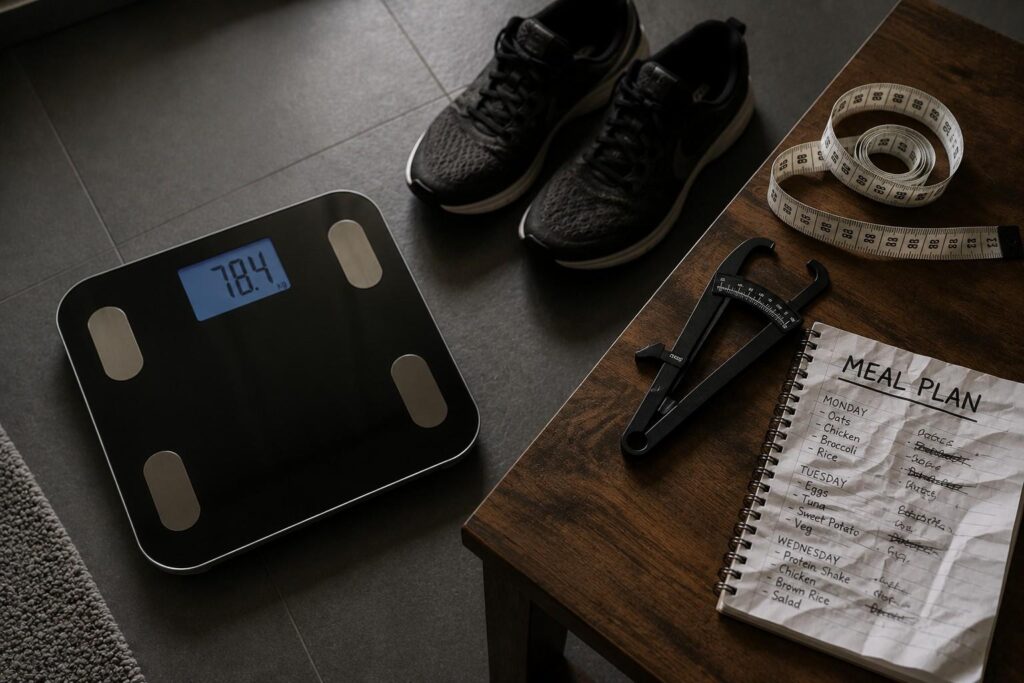
Who’s most at risk: Beginners who overestimate how much training they’re doing, those skipping workouts while continuing supplementation, and anyone consuming more calories than their activity level warrants.
Smart fix: Use a body composition tracker (DEXA scan, InBody, or even waist measurements) rather than just scale weight to monitor your progress. Adjust your serving size based on your actual training load.
9. Allergic Reactions
Mass gainers are complex blends, and many contain common allergens including:
- Whey and casein (milk-derived)
- Soy protein
- Gluten (from oat or wheat-based carb sources)
- Egg albumin
- Tree nuts (in some flavored variants)
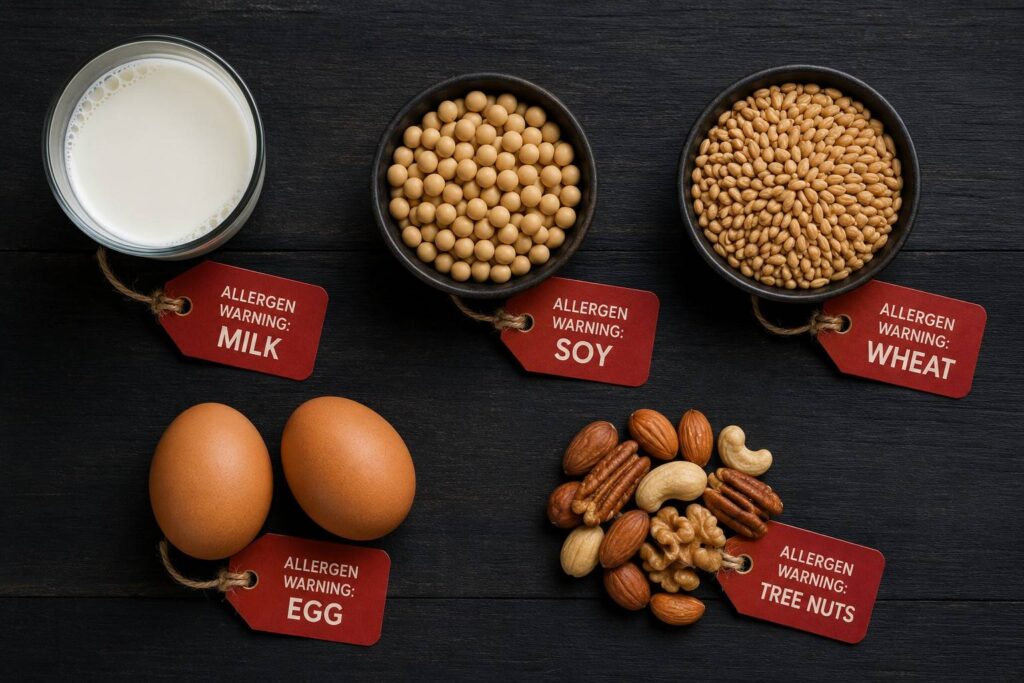
Reactions can range from mild skin rashes and itching to gastrointestinal distress and, in severe cases, anaphylaxis. In India, where food allergy awareness is still developing, many users may not connect symptoms to their supplement.
Who’s most at risk: Individuals with known food allergies or sensitivities, those who have never been tested for food allergens, users trying new supplement brands without reading labels.
Smart fix: Always read the full ingredient and allergen declaration. If you experience hives, throat tightness, or difficulty breathing after consuming a mass gainer, discontinue immediately and seek medical attention.
10. Water Retention and Temporary Weight Distortion
Many mass gainer formulas include creatine monohydrate — a highly effective compound for strength and performance, but one that causes intracellular water retention as a side effect.
Creatine draws water into muscle cells, which is part of how it enhances performance. But this also means the scale number can jump by 2–5 pounds within the first week of use — not from fat or muscle, but from water weight. This can be misleading and discouraging when you’re trying to accurately track body composition changes.
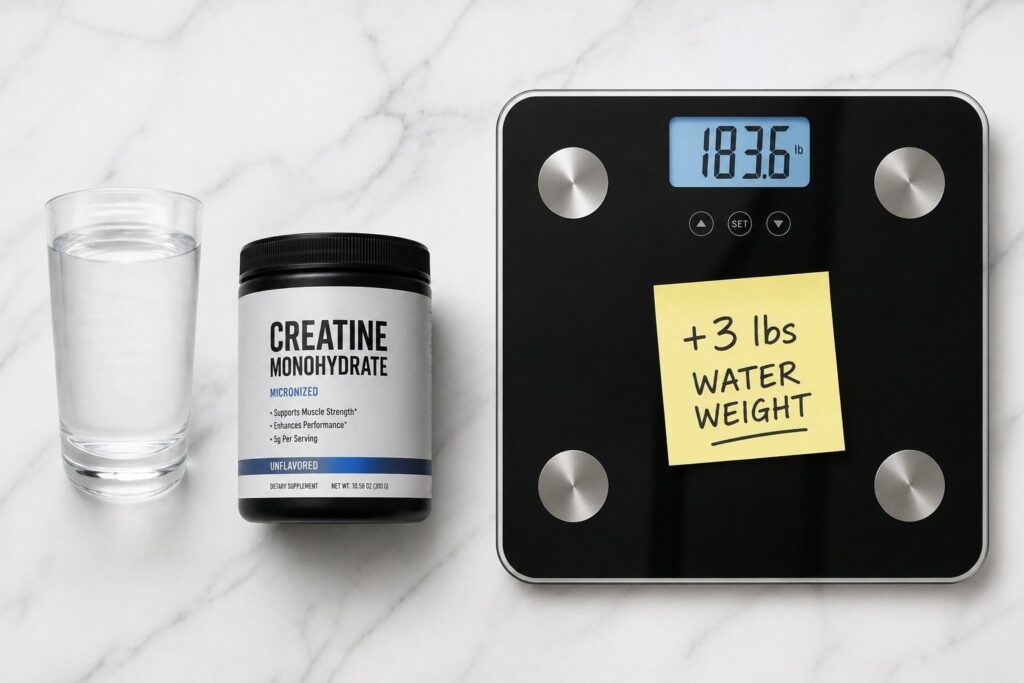
Additionally, the high-sodium content found in some formulas contributes to extracellular water retention and a puffy appearance.
Who’s most at risk: Sensitive individuals, those competing in weight-class sports, and anyone interpreting scale weight as the sole progress metric.
Smart fix: Understand that early weight gain on a creatine-containing mass gainer likely includes significant water weight. Track progress with measurements and progress photos, not just the scale.
11. Hormonal Imbalances
Chronically excessive protein intake — common among heavy mass gainer users — can disrupt the body’s hormonal environment. Research suggests that very high protein consumption can affect insulin regulation and thyroid hormone activity. An altered metabolic state can cascade into issues with cortisol (stress hormone), testosterone, and growth hormone balance.
Additionally, the ultra-high caloric intake from mass gainers can increase estrogen levels in some individuals as excess calories convert to fat, and adipose tissue is a site of estrogen production.
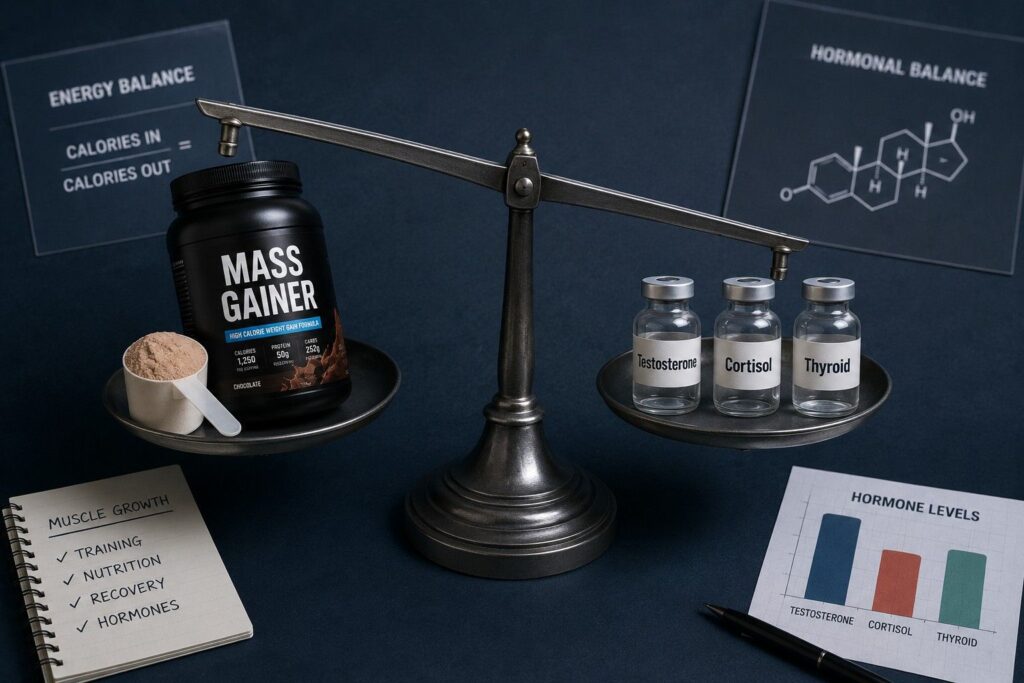
Who’s most at risk: Those consuming multiple servings daily without adequate training, individuals already dealing with hormonal imbalances, and long-term heavy users.
Smart fix: Don’t treat mass gainers as unlimited calorie sources. Cycle your usage. Get comprehensive hormone panels done annually if you supplement aggressively.
12. Nutrient Imbalances and Micronutrient Displacement
When mass gainers become a dominant part of your caloric intake, they can crowd out whole foods — and with them, the vitamins, minerals, antioxidants, and phytonutrients that whole foods deliver.
Mass gainers, even those fortified with vitamins and minerals, cannot replicate the complex micronutrient density of real food. Over-reliance on them can create deficiencies in magnesium, zinc, B vitamins, and dietary fiber — all critical for muscle recovery, immune function, and gut health.

Who’s most at risk: Users replacing 2 or more meals daily with mass gainer shakes, those with already poor dietary habits, and college students or busy professionals using mass gainers for convenience.
Smart fix: Mass gainers should supplement meals — never replace them. Prioritize whole food nutrition first, and use the supplement to fill caloric gaps, not as a dietary foundation.
13. Sleep Disruption
This one surprises most users: mass gainers can negatively affect your sleep quality.
The high sugar content in many formulas causes a blood glucose spike followed by a crash, which can disrupt sleep architecture if consumed too close to bedtime. High protein intake late at night can also increase core body temperature during digestion, making it harder to fall into deep sleep stages.
In India, where post-dinner supplementation is common, and in the USA among night-shift gym-goers, this pattern is especially prevalent.

Who’s most at risk: Anyone taking mass gainers within 1–2 hours of sleep, individuals who are already prone to insomnia or light sleeping.
Smart fix: Consume mass gainers in the morning or post-workout window. If you need a late-night supplement, opt for a slow-digesting casein protein shake with lower sugar content instead.
Who Should Avoid Mass Gainers Entirely?
Certain individuals should approach mass gainers with extreme caution or skip them altogether:

- People with diagnosed kidney or liver disease
- Individuals with type 1 or type 2 diabetes
- Those with irritable bowel syndrome (IBS) or inflammatory bowel disease
- Anyone with known food allergies to common mass gainer ingredients
- Individuals who are sedentary or in weight-loss phase
- Teenagers under 18 — hormonal systems are still developing
Always consult a registered dietitian or sports medicine physician before starting any high-calorie supplementation protocol.
How to Use Mass Gainers Safely: 7 Evidence-Based Rules
If you’ve decided a mass gainer is right for your goals, here’s how to minimize the risks:
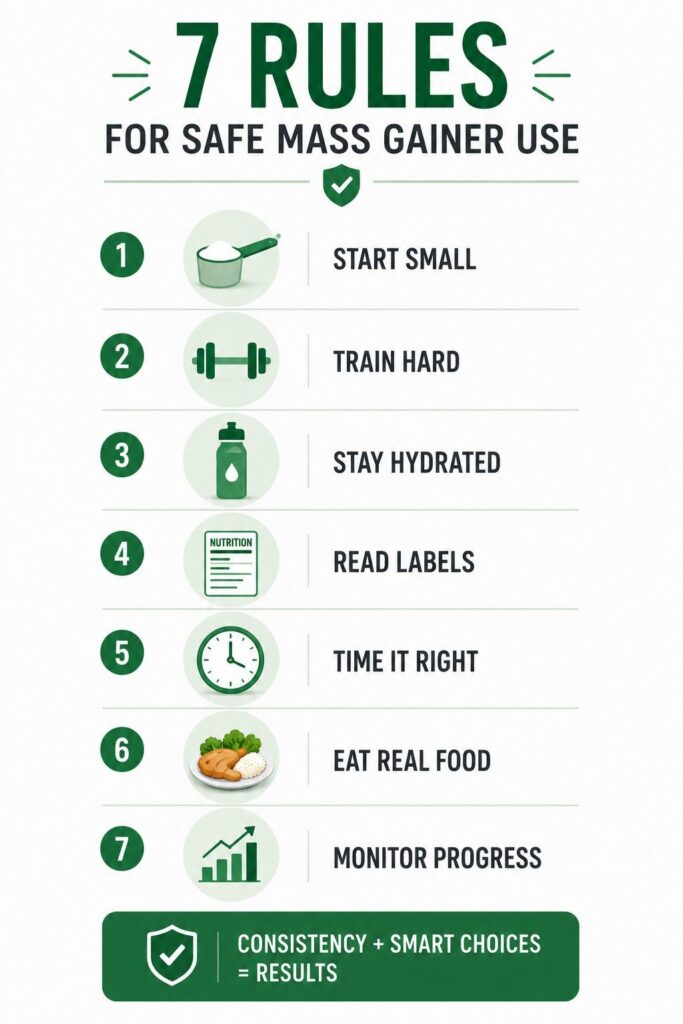
- Start small — Begin with half a serving and assess your tolerance for at least one week before increasing to a full serving.
- Train hard and consistently — Mass gainers are not magic. Without progressive overload training 4–5 days per week, the excess calories will become fat, not muscle.
- Hydrate aggressively — Drink at least 3–4 liters of water daily to support kidney filtration and nutrient absorption.
- Read labels like a professional — Look for complex carbohydrates (oat flour, sweet potato) over maltodextrin and dextrose. Choose third-party tested products.
- Spread servings throughout the day — Instead of one massive shake, split your serving into two smaller doses to reduce digestive stress and blood sugar impact.
- Never skip meals — Use mass gainers on top of whole food meals, not in place of them.
- Monitor your body — Track body composition (not just weight), check blood sugar quarterly, and get basic metabolic panels done annually.
Mass Gainer vs. Whey Protein: A Quick Comparison
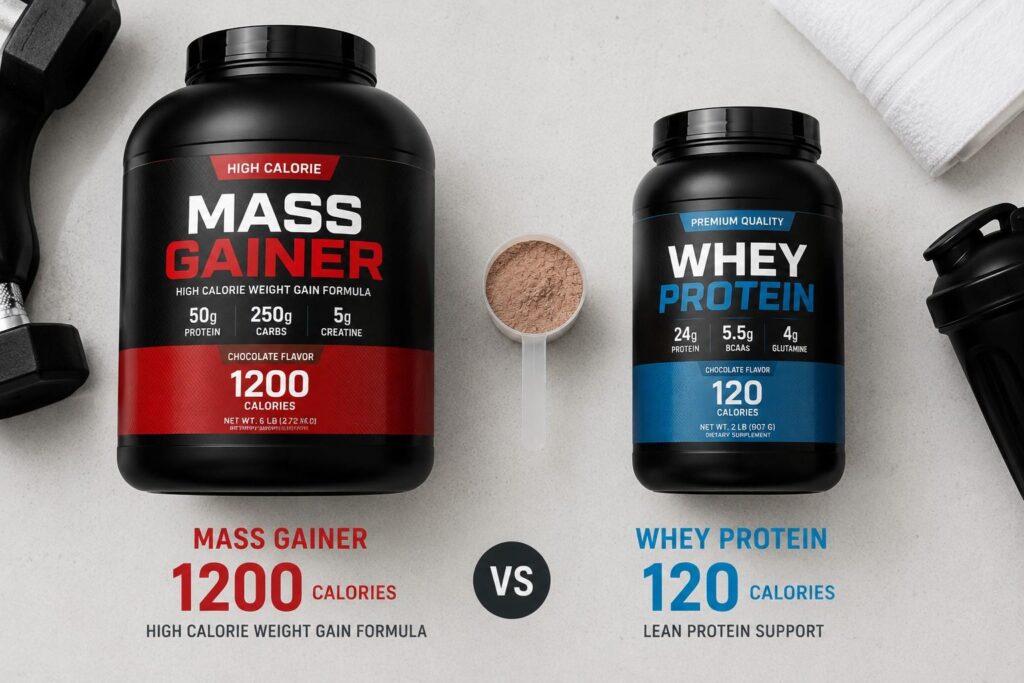
| Feature | Mass Gainer | Whey Protein |
|---|---|---|
| Calories per serving | 600–1,500+ | 100–150 |
| Carbohydrates | 100–250g | 3–5g |
| Protein | 30–60g | 20–30g |
| Best for | Hard gainers needing caloric surplus | Lean muscle building, general recovery |
| Main risk | Fat gain, blood sugar spikes | Overconsumption of protein |
| Digestive load | High | Moderate |
If you’re not a hard gainer — meaning you can meet your caloric needs through whole food — a quality whey protein is almost always a safer, more targeted choice.
Frequently Asked Questions

Q: Are mass gainers safe for daily use? A: For healthy individuals who are actively training, mass gainers can be used daily — but total caloric intake must be monitored to prevent fat gain. Individuals with kidney, liver, or metabolic conditions should consult a doctor first.
Q: Can mass gainers cause kidney damage? A: In healthy individuals, mass gainers are unlikely to cause kidney damage at recommended serving sizes. However, chronically excessive protein intake combined with inadequate hydration increases kidney stress over time. Those with pre-existing kidney conditions are at significantly higher risk.
Q: How long does it take to see side effects from mass gainers? A: Digestive side effects like bloating and gas can appear within hours of the first use. Longer-term effects like insulin resistance or kidney strain typically develop over weeks to months of excessive, unchecked use.
Q: Do mass gainers cause acne? A: Possibly. Many mass gainers contain whey protein, which can spike insulin-like growth factor-1 (IGF-1), a hormone linked to acne development. High sugar content further elevates insulin, potentially worsening acne-prone skin.
Q: What’s the best time to take a mass gainer? A: Post-workout (within 60 minutes of finishing training) and in the morning are the optimal windows. Avoid consumption within 1–2 hours of sleep due to blood sugar disruption and digestion-related sleep interference.
Q: Can women take mass gainers? A: Yes, but with greater caution around caloric surplus, as women typically have lower caloric maintenance needs and may be more susceptible to unwanted fat gain from excess calories.
The Bottom Line

Mass gainers aren’t inherently dangerous — but they’re not inherently safe either. They are powerful, high-calorie tools that demand respect, intentional use, and a solid training foundation to be effective.
The 13 mass gainer side effects outlined in this article — from digestive distress and kidney strain to blood sugar disruption and hormonal imbalances — are real risks that affect a significant portion of users who approach supplementation carelessly.
The good news: every single one of these risks is manageable with the right approach.
Choose quality products. Train hard. Eat real food. Hydrate consistently. And treat your mass gainer for what it is — a supplement, not a shortcut.
You May Also Like: https://coresuppliments.com/mass-gainer-vs-weight-gainer-9-key-differences/, https://coresuppliments.com/best-mass-gainer-for-skinny-guys/

 Admin
Admin