 Admin
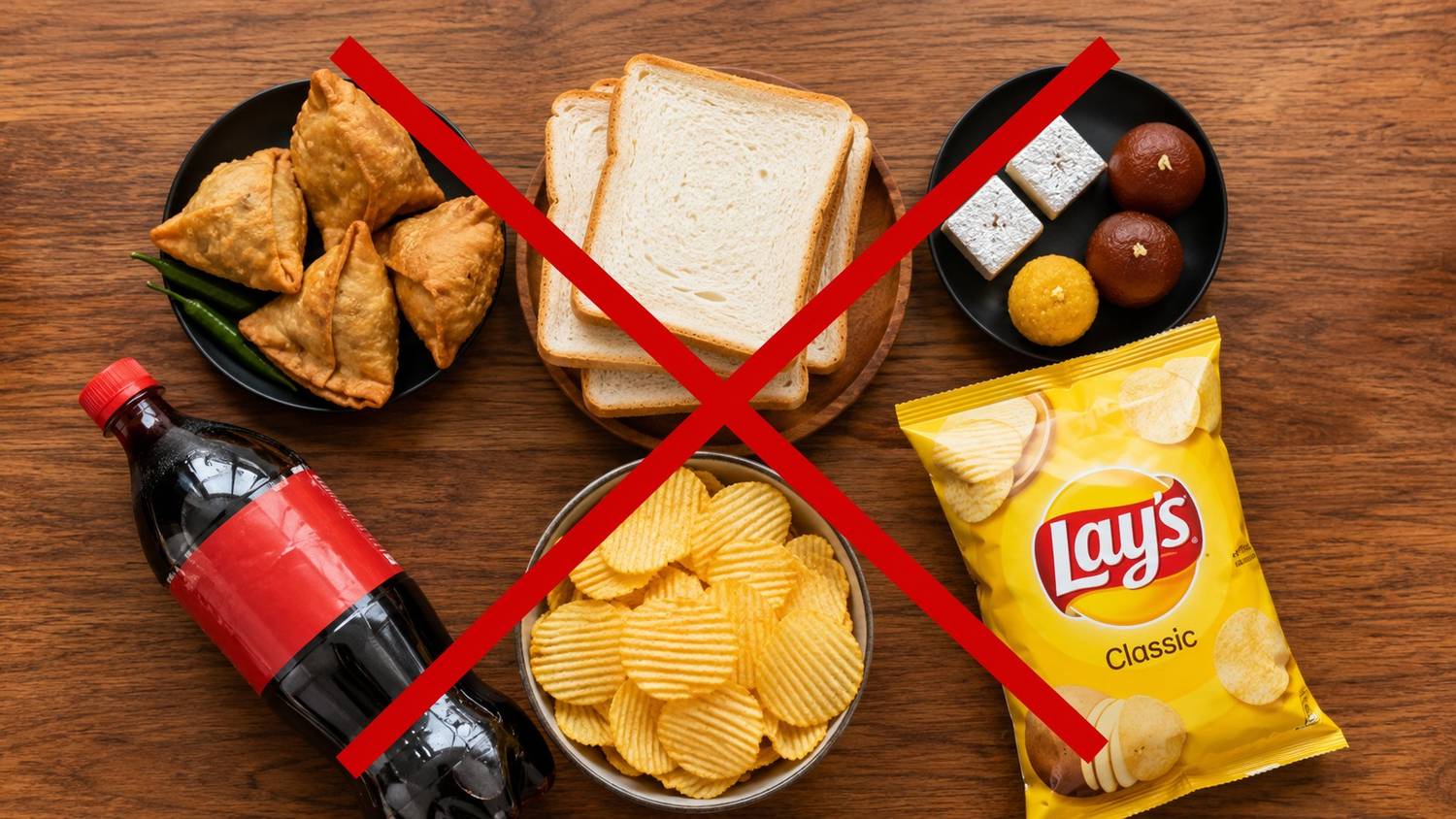
Admin If you’re following a strict diet and workout routine but still not seeing results on the scale, the problem might not be your effort — it might be your plate. Knowing the right foods to avoid for fat loss is just as important as knowing what to eat. Many everyday Indian foods that seem “healthy” are secretly loaded with hidden sugars, refined oils, and empty calories that stall your progress. In this guide, we’ll break down the exact foods to avoid for fat loss, why they hurt your goals, and what you can eat instead, all backed by nutrition science and tailored for Indian diets and lifestyles.
Why Identifying Foods to Avoid for Fat Loss Matters
Before jumping into the list, it’s important to understand the why. Fat loss happens when you’re in a consistent calorie deficit while keeping your metabolism, hormones, and gut health in check. Certain foods work against this process because they spike insulin levels, which promotes fat storage, especially around the belly. They also trigger overeating through blood sugar crashes and cravings, add hidden calories from oils and sugars you don’t notice, and disrupt gut health, which slows digestion and nutrient absorption. If you’ve already optimized your training and are tracking calories through methods like intermittent fasting, avoiding these foods is the missing piece. You can read more about how meal timing supports fat loss in our detailed guide on intermittent fasting for fat loss.
1. Refined Sugar and Sweetened Beverages
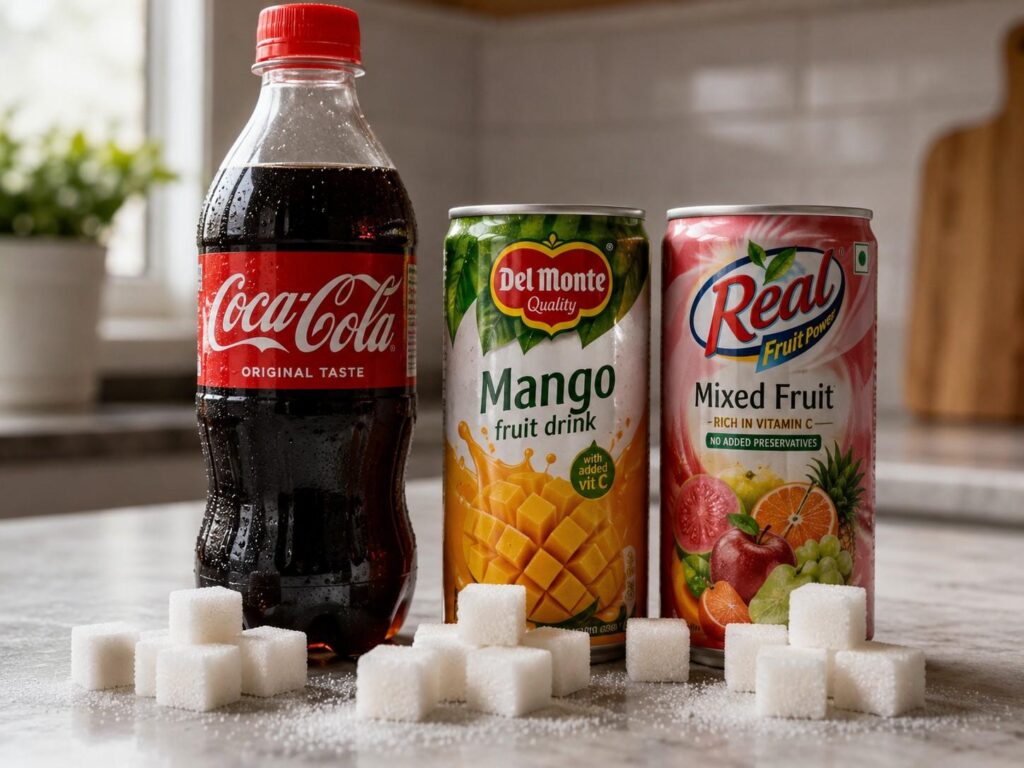
Sugary drinks like colas, packaged fruit juices, and sweetened tea or coffee are some of the biggest hidden culprits when it comes to weight gain. A single bottle of soda can contain over 150 calories with zero nutritional value, and liquid sugar doesn’t trigger the same fullness signals as solid food, so you end up consuming extra calories without realizing it. Instead, switch to black coffee, green tea, or infused water with lemon and mint to cut this hidden sugar load without feeling deprived.
2. Deep-Fried Snacks (Samosas, Pakoras, Chips)
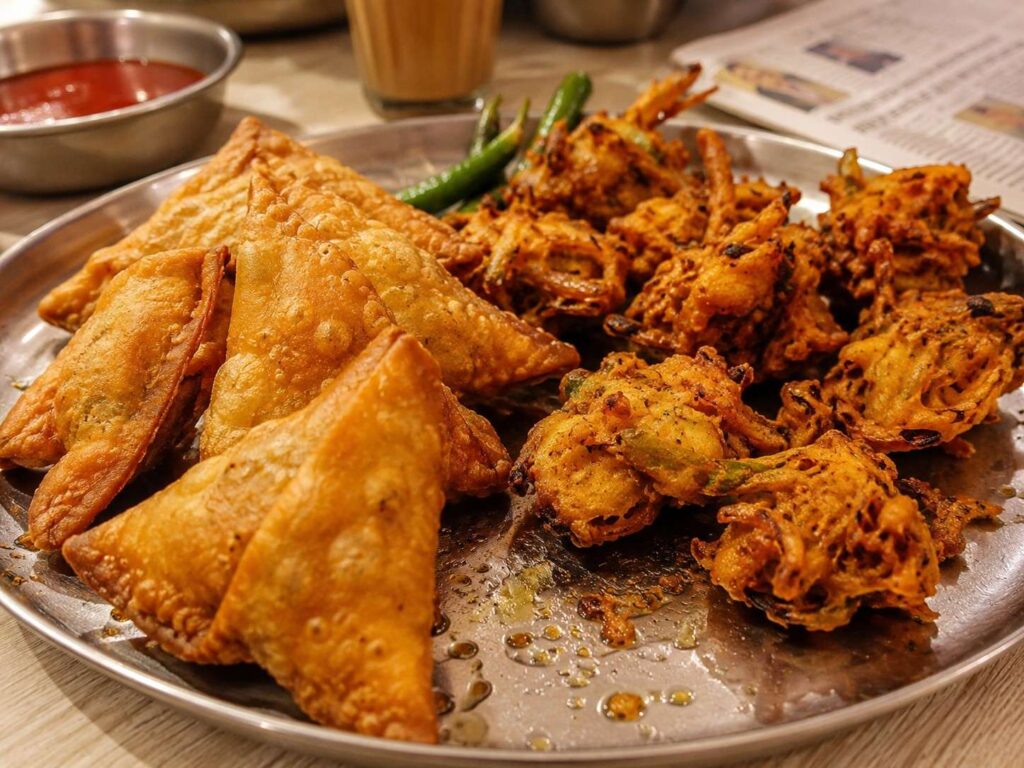
Fried snacks are a staple at Indian tea-time, but they’re one of the top foods to avoid for fat loss. Deep frying in reused oil increases trans fat content, which is directly linked to stubborn belly fat and inflammation. If you crave that crunch, try air-fried or baked versions using minimal oil, or opt for roasted chana and makhana as a satisfying swap.
3. White Bread and Refined Maida Products
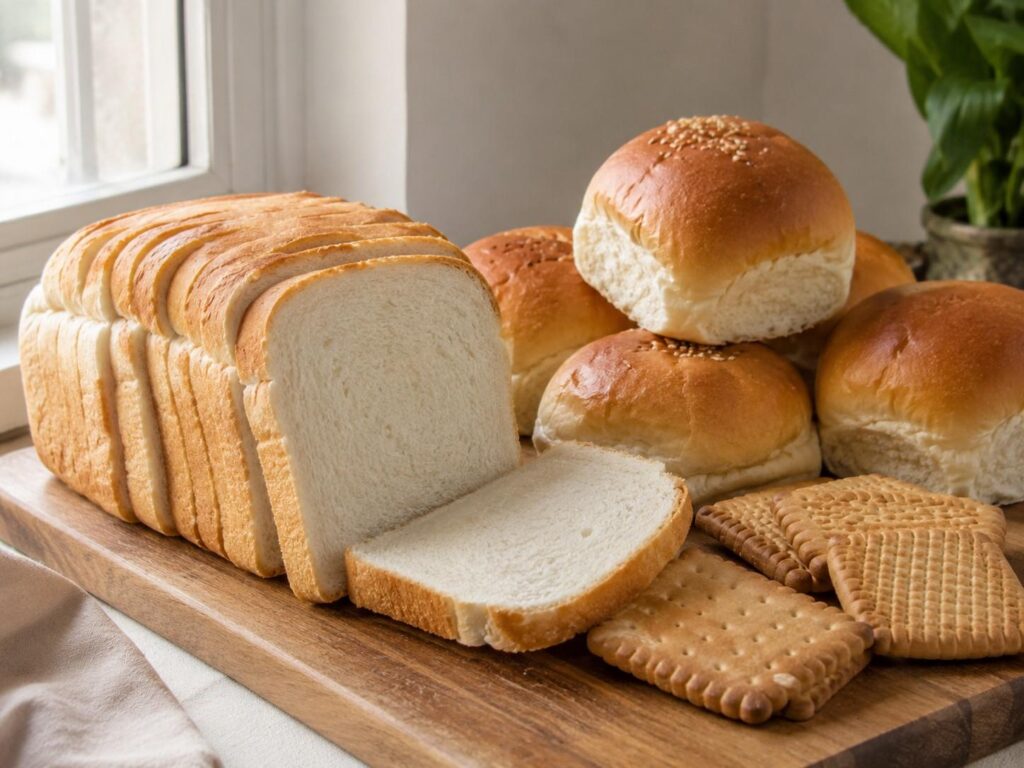
Maida-based foods like white bread, bakery buns, and biscuits are stripped of fiber during processing. This means they digest quickly, spike blood sugar, and leave you hungry again within an hour, which often leads to unplanned snacking later in the day. Choosing whole wheat or multigrain rotis and breads with visible fiber content keeps you fuller for longer and steadies your blood sugar.
4. Packaged Fruit Juices
Many people assume fruit juice is a healthy alternative to soda, but most packaged versions are loaded with added sugar and stripped of the fiber that whole fruits naturally contain. This makes them just as capable of spiking blood sugar as any soft drink, even the ones labeled “100% natural.” Eating whole fruits like apples, guava, or oranges instead of drinking their juice gives you the fiber and satiety that juice simply can’t offer.
5. Full-Cream Dairy in Excess
While dairy has real protein benefits, full-cream milk, paneer made from whole milk, and excessive ghee consumption can add significant saturated fat calories, especially when portion sizes aren’t controlled. This is one of those cases where a food isn’t “bad” on its own, but quietly becomes a problem in large quantities. Using toned or double-toned milk and keeping ghee intake to around one teaspoon a day helps you enjoy dairy without the extra calorie burden.
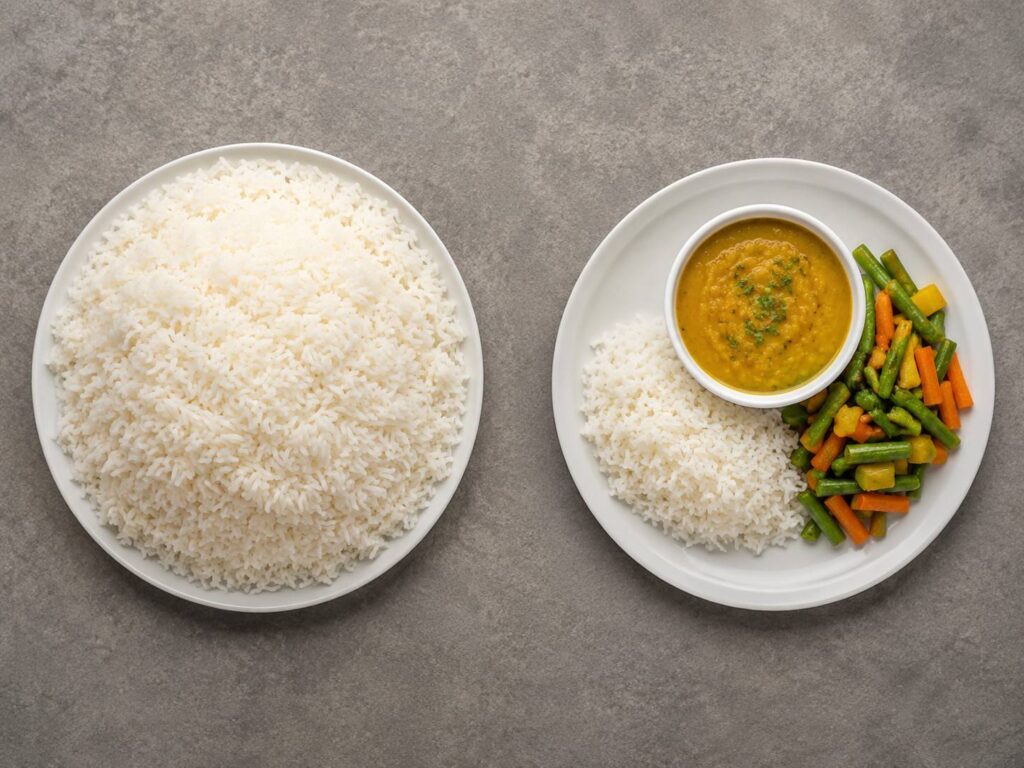
6. White Rice in Large Portions
White rice isn’t inherently bad, but large portions eaten frequently without enough protein or fiber can lead to a calorie surplus and blood sugar spikes, particularly for those with sedentary lifestyles. The fix isn’t elimination but portion control, pairing rice with dal, vegetables, and a protein source so the meal digests more slowly and keeps you satisfied.
7. Namkeen and Packaged Snack Mixes
Bhujia, chivda, and other namkeen mixes are calorie-dense and high in sodium. Excess sodium causes water retention, which can mask real fat loss progress on the scale and make you feel bloated even when you’re actually losing fat. Snacking on roasted peanuts, sprouts chaat, or homemade trail mix gives you the same crunch and satisfaction without the sodium overload.
8. Alcohol
Alcohol is metabolically unique, your body prioritizes burning it over stored fat, essentially pausing fat metabolism while it processes alcohol first. Combined with empty calories and the poor food choices people often make while drinking, alcohol becomes a major obstacle to fat loss goals. If you do drink, limiting intake and choosing lower-calorie options like a small measure of spirits with soda water can reduce the damage.
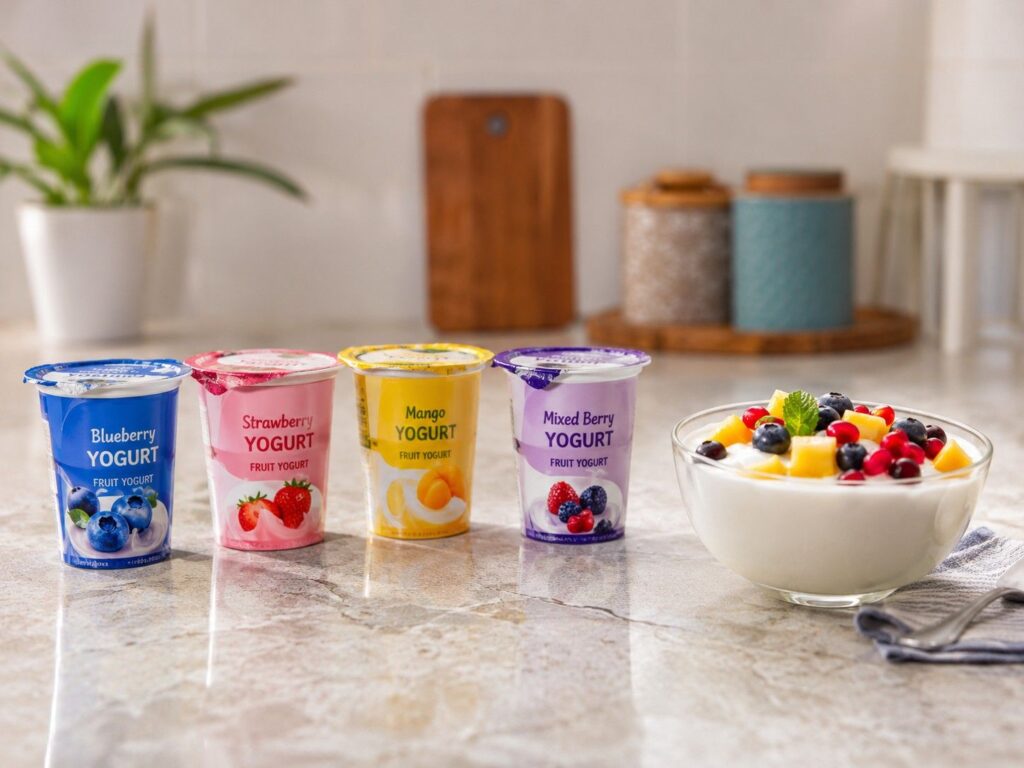
9. Sweetened Yogurt and Flavored Curd Cups
Flavored yogurt cups marketed as “healthy” often contain as much sugar as a dessert, which defeats the purpose of choosing yogurt for its probiotic and protein benefits in the first place. Choosing plain curd or Greek yogurt and adding your own fruit for natural sweetness lets you get the real benefits of dairy without the hidden sugar.
10. Bakery Items (Cakes, Pastries, Cookies)
These items combine refined flour, sugar, and unhealthy fats in one package, a triple threat for fat loss. They’re calorie-dense but nutrient-poor, meaning you get a lot of calories without feeling genuinely satisfied. When a sweet craving hits, dark chocolate with 70% cocoa or higher in small amounts is a far better option that still feels indulgent.
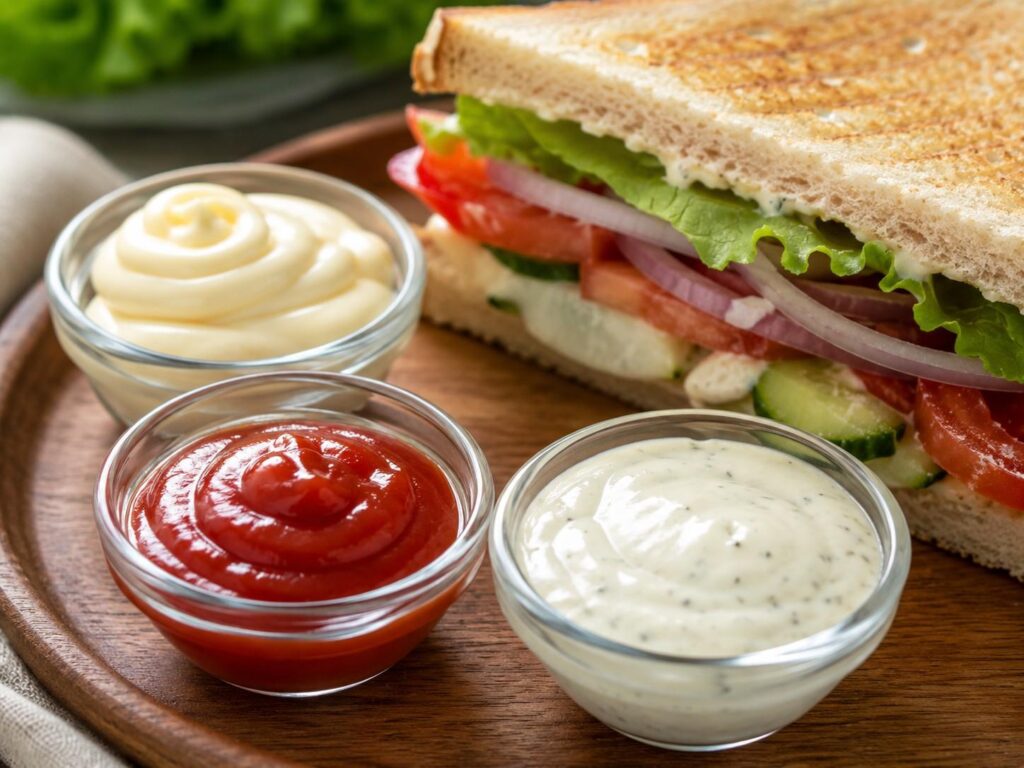
11. Excess Sauces and Condiments
Mayonnaise, ketchup, and creamy salad dressings are calorie-dense and easy to overuse. A few spoons of mayo can add over 200 calories without you noticing, especially tucked into sandwiches and wraps that already seem like a light choice. Using mustard, hung curd-based dips, or homemade salsa instead lets you keep the flavor without the hidden calorie load.
12. Energy Drinks and Pre-Mixed Cocktails
Energy drinks are often loaded with sugar and caffeine, creating a cycle of energy spikes and crashes that lead to fatigue and cravings later in the day. Getting sustained energy from whole foods, adequate protein intake, and natural caffeine sources like black coffee is a far more stable way to power through your day.
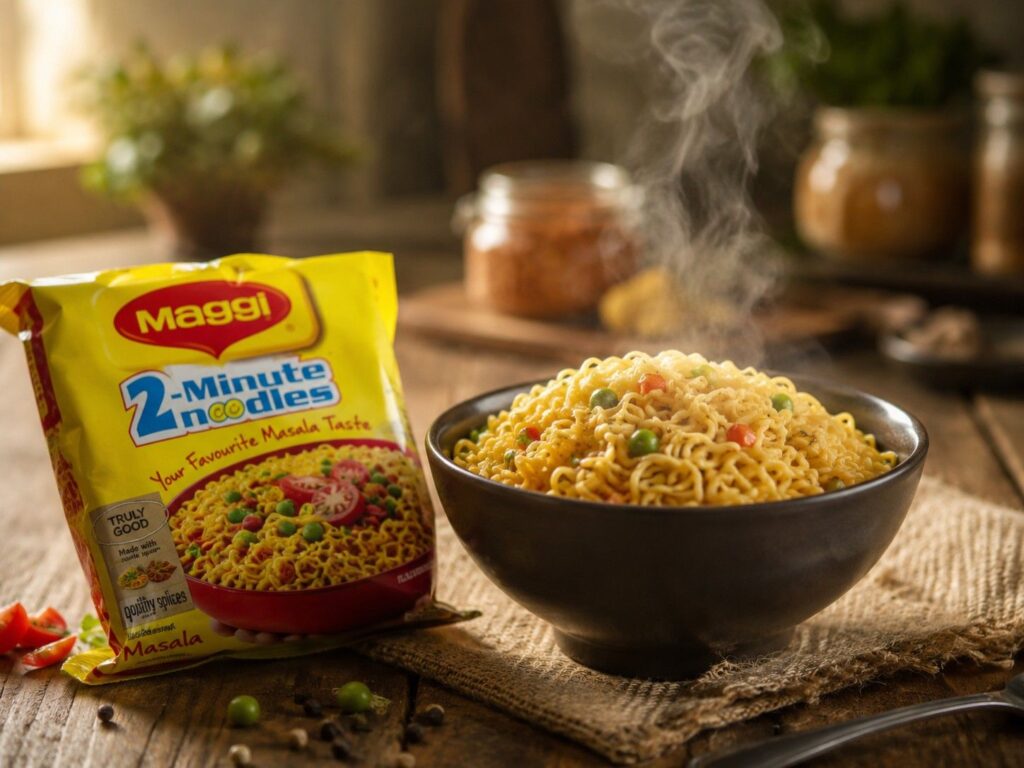
13. Instant Noodles and Ready-to-Eat Meals
Convenient as they are, instant noodles and packaged ready meals are typically high in sodium, preservatives, and refined carbs while being low in fiber and protein, a combination that works directly against fat loss. Prepping simple homemade meals in bulk on weekends can save you the same time on busy weekdays without the nutritional trade-off.
14. Excess Nuts and Dry Fruits
Nuts are genuinely healthy, but they’re also calorie-dense, and mindlessly snacking on cashews or almonds without portion control can add hundreds of extra calories to your day without you realizing it. Sticking to a measured handful of around 20-25 grams a day lets you enjoy the health benefits without the calorie creep.
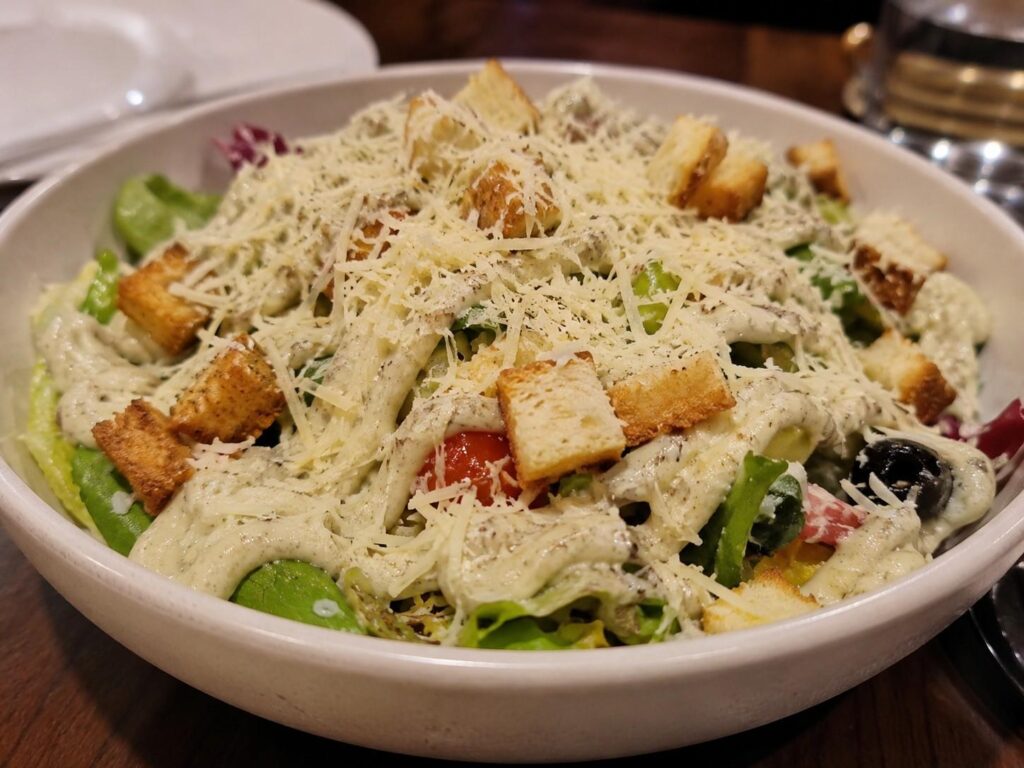
15. Restaurant “Healthy” Salads with Heavy Dressings
Many restaurant salads are marketed as diet-friendly but come loaded with cheese, creamy dressings, and fried toppings that can contain more calories than a regular meal. Asking for dressing on the side and choosing grilled protein toppings over fried ones turns a deceptively heavy salad into an actually light meal.
Understanding the Bigger Picture: Fat Loss vs. Weight Loss
It’s worth noting that avoiding these foods supports true fat loss, not just a lower number on the scale. Many people confuse temporary weight loss, from water weight or muscle loss, with genuine fat loss. To understand this distinction clearly, check out our detailed comparison on fat loss vs weight loss, which explains the key differences most people overlook.
Frequently Asked Questions (FAQ)
Q1. What are the top foods to avoid for fat loss?
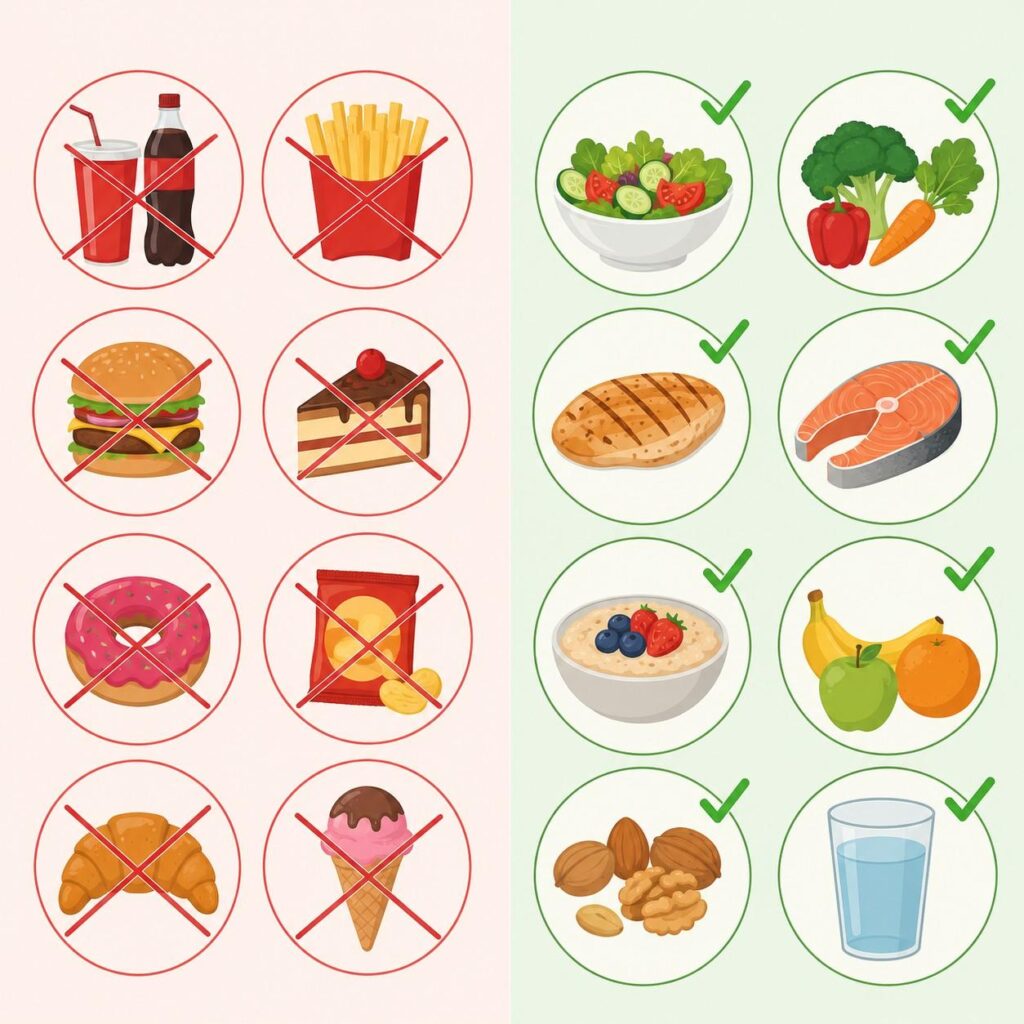
The biggest culprits include sugary drinks, deep-fried snacks, refined flour products, alcohol, and packaged snacks high in sodium and hidden sugar.
Q2. Can I still eat rice and rotis while trying to lose fat?
Yes, whole grains like rice and roti can be part of a fat loss diet when eaten in controlled portions alongside protein and vegetables.
Q3. Is it necessary to completely avoid these foods forever?
No, moderation matters more than complete elimination. Occasional consumption in small portions won’t derail your progress, but frequent, uncontrolled intake will.
Q4. Does avoiding these foods guarantee fat loss?
Avoiding these foods helps create a calorie deficit and supports better hormone balance, but fat loss also depends on overall calorie intake, activity levels, sleep, and consistency.
Q5. Are packaged “diet” or “low-fat” foods safe alternatives?
Not always. Many low-fat packaged foods compensate for reduced fat with added sugar, so always check the nutrition label before assuming they’re a healthier choice.
Q6. What should I eat instead of these foods?
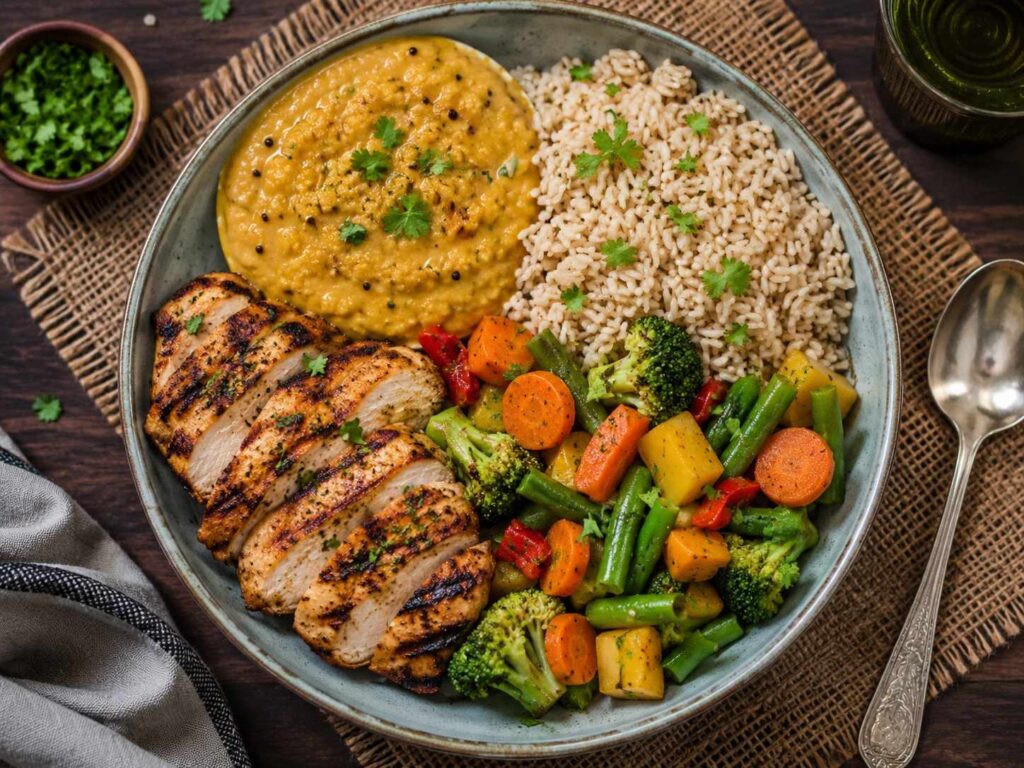
Focus on whole, minimally processed foods — vegetables, whole grains, lean protein sources like eggs, chicken, paneer, and dal, along with healthy fats from nuts and seeds in moderation.
Final Thoughts
Fat loss isn’t just about eating less, it’s about eating smart. By identifying and cutting back on these foods to avoid for fat loss, you eliminate hidden calories, reduce cravings, and give your body the environment it needs to burn fat efficiently. Pair these changes with a structured workout routine and proper meal timing, and you’ll start seeing real, sustainable results.

 Admin
Admin