
 Admin
Admin Introduction
If you have ever stepped on a weighing scale after a week of “dieting” and felt disappointed because the number barely moved, you are not alone. Most people in India use the terms fat loss and weight loss as if they mean the same thing. They don’t. And this one confusion is the reason millions of people quit their fitness journey early, even when their body is actually changing for the better.
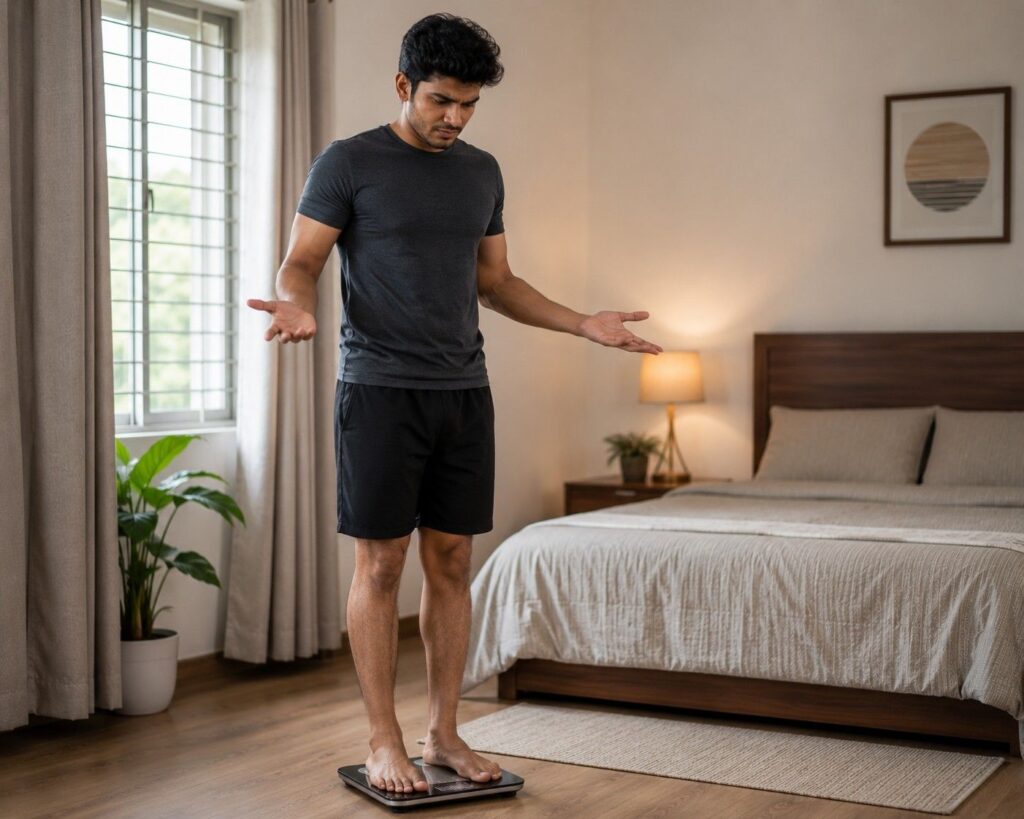
Understanding fat loss vs weight loss is the single most important mindset shift you can make before starting any diet, workout, or supplement routine. Whether you are trying to fit into an old pair of jeans or trying to build a leaner, healthier body for the long run, knowing this difference changes how you eat, how you train, and how you measure progress.
In this article, we will break down the real difference between the two, why it matters especially for Indian body types, and how you can train smarter instead of just chasing a number on the scale.
9 Key Differences Between Fat Loss and Weight Loss
1. The Basic Meaning Is Completely Different
Weight loss simply means your total body weight has gone down. This includes water, muscle, glycogen, and fat. Fat loss specifically means a reduction in body fat percentage, while ideally keeping or even building muscle mass.
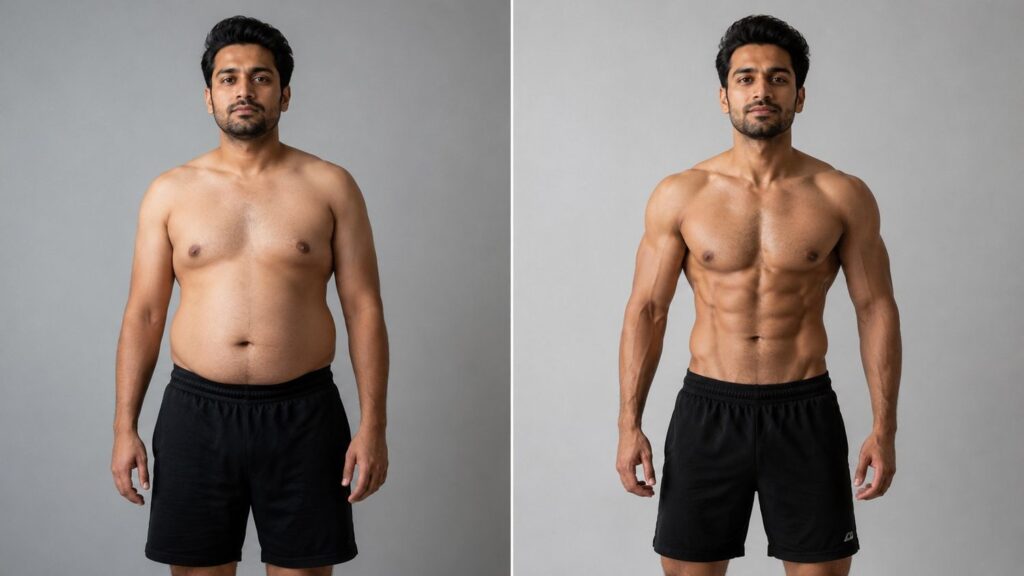
This is the core of the fat loss vs weight loss debate. A person can “lose weight” by losing muscle and water, yet look the same or even softer. Someone who focuses on fat loss instead may see the scale move slowly, but their body visibly tightens, shrinks in the right places, and looks leaner in clothes.
2. What You Are Actually Losing Matters More Than the Number
When you lose weight quickly through crash dieting or skipping meals, a large chunk of that loss is water and muscle, not fat. Muscle is metabolically active tissue. Losing it slows down your metabolism, making it easier to regain weight later, often as fat.
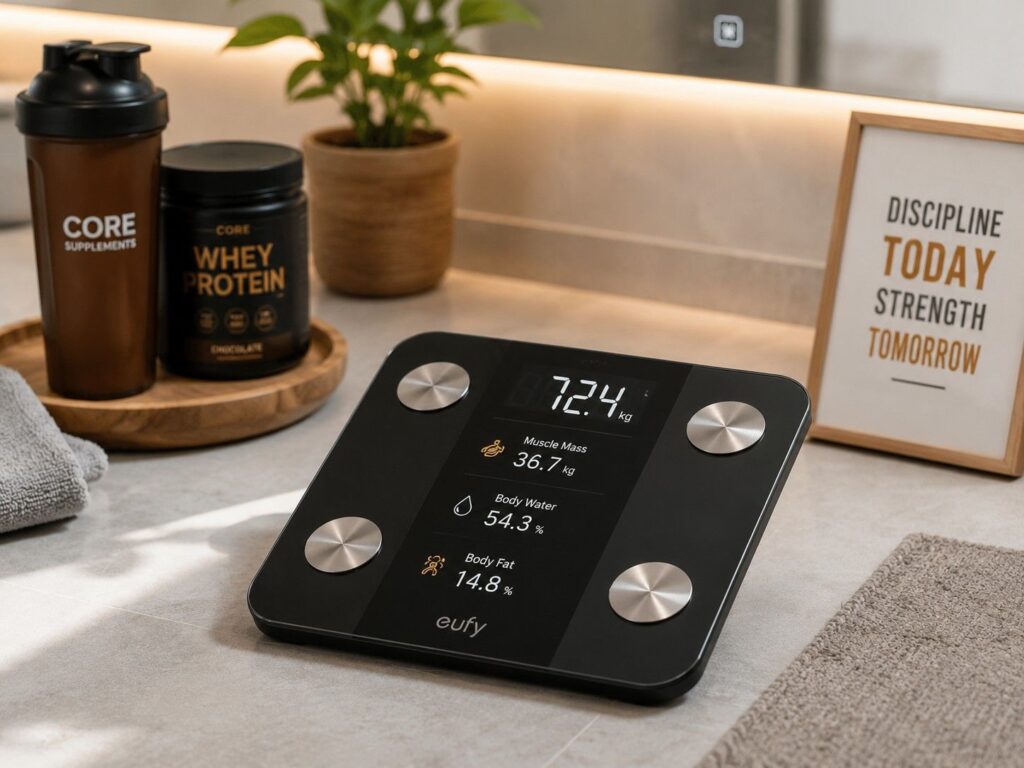
Fat loss focused approaches preserve lean muscle by combining a moderate calorie deficit with adequate protein intake and resistance training. This is why two people can lose the same 5 kilos and look completely different at the end.
3. The Scale Can Lie to You
This is one of the biggest reasons people give up. You can lose fat and gain a little muscle at the same time, and the scale shows zero change or even a slight increase. This is normal during the first 4 to 6 weeks of a proper fat loss vs weight loss approach.

Instead of relying only on the weighing scale, track your progress using body measurements (waist, hips, thighs), progress photos every 2 weeks, and how your clothes fit. These markers tell the real story of fat loss that the scale often hides.
4. Speed of Results Is Not the Same
Weight loss can happen fast, sometimes 2 to 3 kilos in the first week, mostly due to water loss from reduced carbohydrate and sodium intake. Fat loss is a slower, steady process, typically 0.5 to 1 percent of body weight per week for sustainable results.
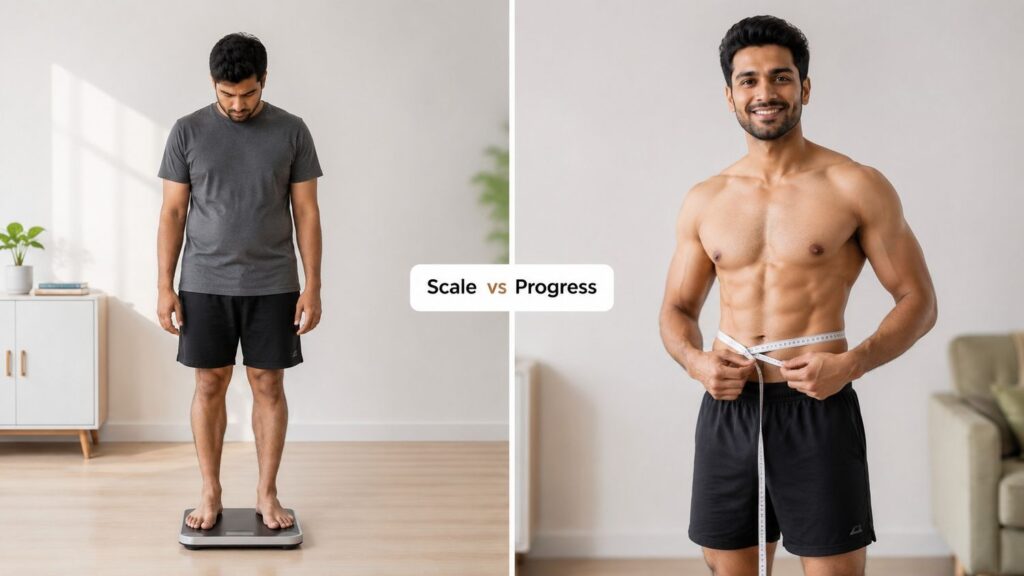
If your goal is long term fat loss rather than a quick number drop for a wedding or event, patience and consistency matter far more than speed.
5. Diet Strategy Changes Completely
For pure weight loss, any extreme calorie cut works temporarily, including unhealthy crash diets, detox teas, or skipping meals. These methods are not sustainable and often backfire with rebound weight gain.
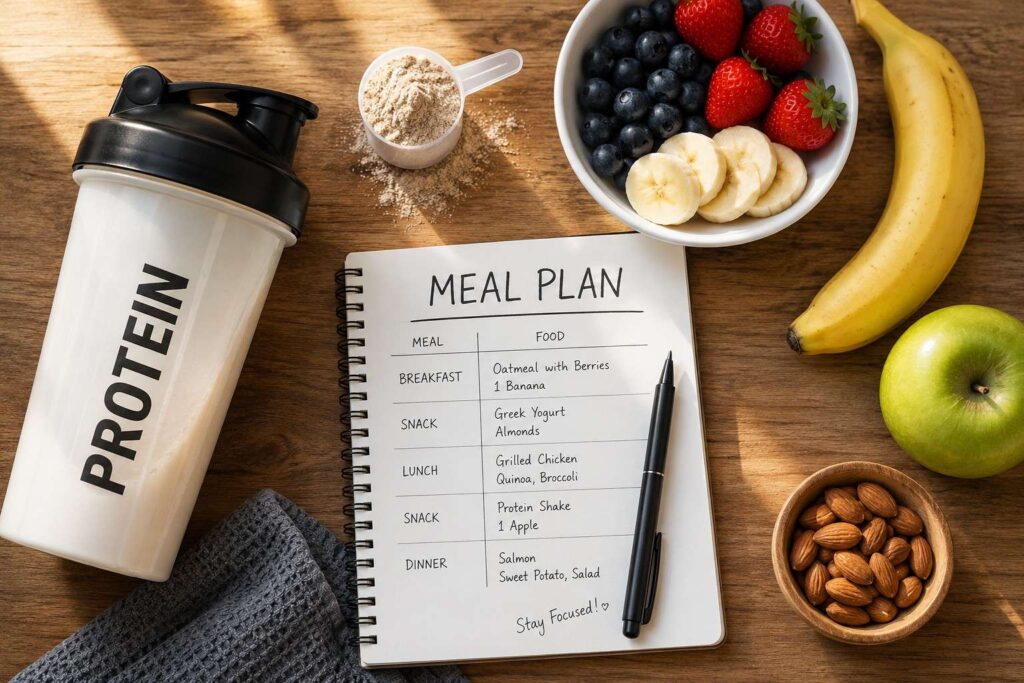
For fat loss, the strategy is different: a moderate calorie deficit (around 300 to 500 calories below maintenance), higher protein intake (1.6 to 2.2 grams per kilogram of body weight), adequate fiber from vegetables and fruits, and controlled but not zero carbohydrates and fats. This is exactly where quality supplementation, like a clean whey protein or a fiber-rich meal support, can fill the gaps that an average Indian diet often misses.
6. Strength Training vs Cardio Plays a Different Role
Cardio alone burns calories and can support weight loss, but it does very little to protect your muscle mass. If fat loss is your real goal, resistance training (weights, bodyweight training, or resistance bands) becomes non-negotiable. It signals your body to hold onto muscle while burning fat for fuel.

If you are someone who wants a focused approach, start with simple Morning Habits for Fat Loss that combine light strength movements with a short walk, rather than relying purely on long cardio sessions that can eat into muscle over time.
7. Where You Lose Fat From Differs by Body Type
This is especially relevant for Indian body types, many of which fall into what is called the “TOFI” category, thin outside, fat inside, meaning visceral fat around organs even with a normal-looking body. Weight loss numbers don’t capture this hidden fat. Fat loss focused training, especially targeting stubborn areas like the belly and thighs, gives a much clearer picture of internal health improvement.

For women specifically working on stubborn lower body fat, a structured Belly Fat Loss Workout for Girls combined with targeted routines on How to Lose Thigh Fat can address these exact problem areas far more effectively than general weight loss advice.
8. Supplements Support Fat Loss Differently Than Weight Loss
Random weight loss supplements often promise fast results through water-shedding ingredients or stimulants, but they don’t help retain muscle. A smarter supplement approach for genuine fat loss includes whey protein isolate or concentrate to preserve muscle during a calorie deficit, fiber supplements to manage hunger and digestion, multivitamins to cover micronutrient gaps caused by reduced food intake, and natural fat metabolizers like green tea extract or L-carnitine, used alongside training, not as a replacement for it.
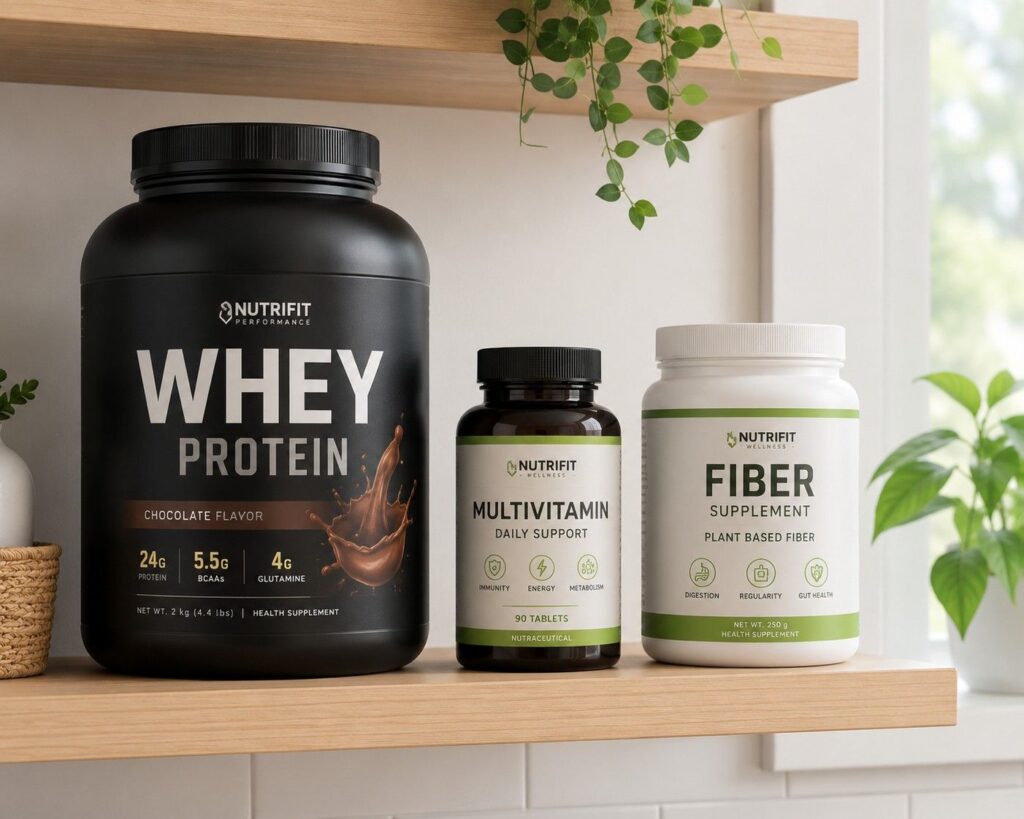
It is important to remember that no supplement works in isolation. It supports a foundation of proper diet and training, especially for Indian lifestyles where processed food intake and sedentary jobs are common.
9. Long Term Health Outcomes Are Different
Pure weight loss, especially rapid and unsustainable methods, is linked to muscle loss, nutrient deficiencies, hormonal imbalance, and high chances of regaining weight, often called “yo-yo dieting.” Fat loss focused approaches, because they are gradual and muscle-preserving, lead to better long term metabolic health, more stable energy levels, improved insulin sensitivity, and a body composition that is easier to maintain for years, not just months.

This is the real reason fitness experts globally are shifting the conversation from “how much weight did you lose” to “how much fat did you lose, and did you keep your muscle.”
Which One Should You Actually Focus On?
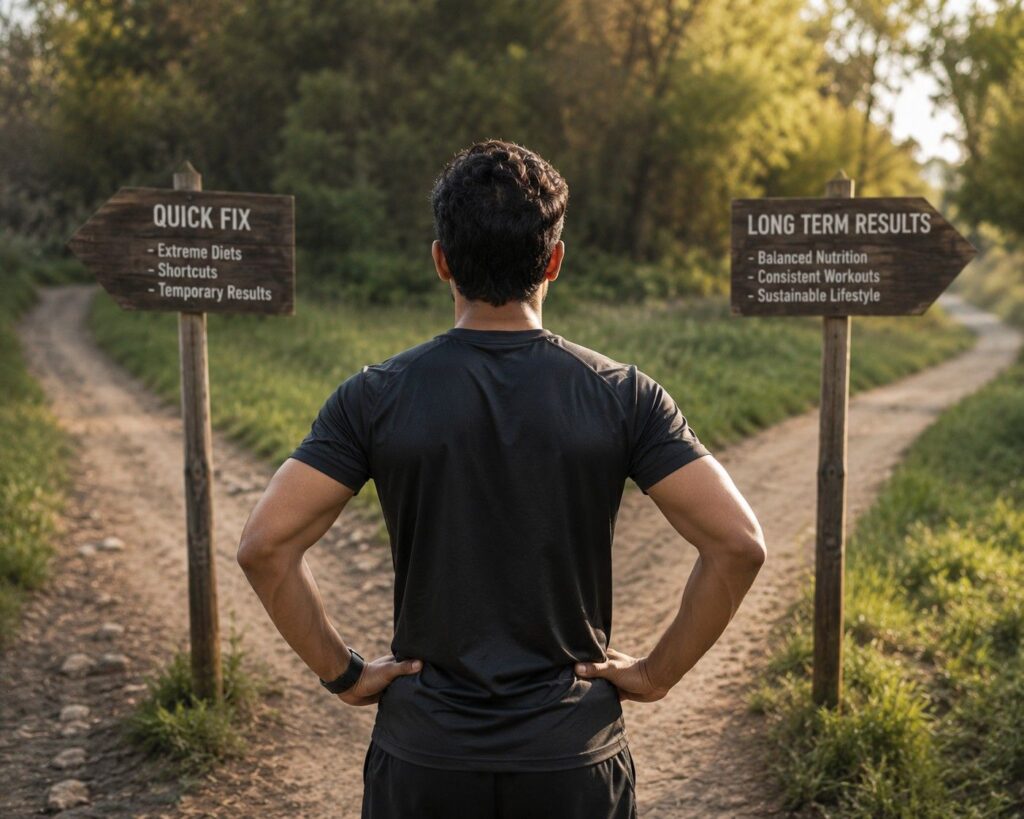
If you have a specific event coming up and just need to fit into an outfit, short term weight loss tricks might work temporarily. But if your goal is a leaner, healthier, more confident body that lasts, fat loss should be your real target.
The good news is that a fat loss approach naturally leads to weight loss too, just in a healthier, more sustainable, and visually better way. You get the best of both worlds without the crash and rebound cycle.
Frequently Asked Questions

1. Is fat loss the same as weight loss?
No. Weight loss includes loss of water, muscle, and fat combined, while fat loss specifically targets reducing body fat while preserving or building muscle.
2. Why does the scale not move even when I am losing fat?
This usually happens because you are losing fat while gaining or maintaining muscle, or due to water retention fluctuations. Measurements and photos are more reliable than the scale alone.
3. Can I lose fat without losing weight?
Yes, this is common, especially for beginners doing strength training. Your body composition improves even if total weight stays similar.
4. What is the best diet for fat loss instead of just weight loss?
A moderate calorie deficit with high protein intake, adequate fiber, and controlled carbohydrates and fats works best, supported by resistance training rather than extreme dieting.
5. Do supplements help more with fat loss or weight loss?
Quality supplements like whey protein and fiber support fat loss by preserving muscle and managing hunger. They are not designed for quick, unsustainable weight loss tricks.
6. How long does real fat loss take compared to weight loss?
Weight loss can show fast results within days due to water loss, while genuine fat loss takes weeks to months for steady, sustainable change.
Final Thoughts
At the end of the day, the number on the scale is just one piece of the puzzle, and often the least important one. What really matters is what your body is made of, how your clothes fit, how your energy levels feel, and whether your results actually last beyond a few weeks.

Once you understand the real difference in fat loss vs weight loss, you stop chasing quick numbers and start building habits that genuinely transform your body for the long run. Pick consistency over shortcuts, and the results will follow naturally.
If you found this helpful, also check out our guides on Morning Habits for Fat Loss, Belly Fat Loss Workout for Girls, and How to Lose Thigh Fat for a complete, body-type-specific fat loss plan.

 Admin
Admin