
 Admin
Admin You’ve been eating clean. You’ve been hitting the gym. But the fat — especially around the belly and waist — just refuses to leave. Sound familiar?
Most people hit this wall because of one simple thing: they’re eating too frequently. Their insulin levels never drop low enough for the body to tap into stored fat. They’re running on glucose all day, every single day, and the body never gets a reason to burn what’s already stored.
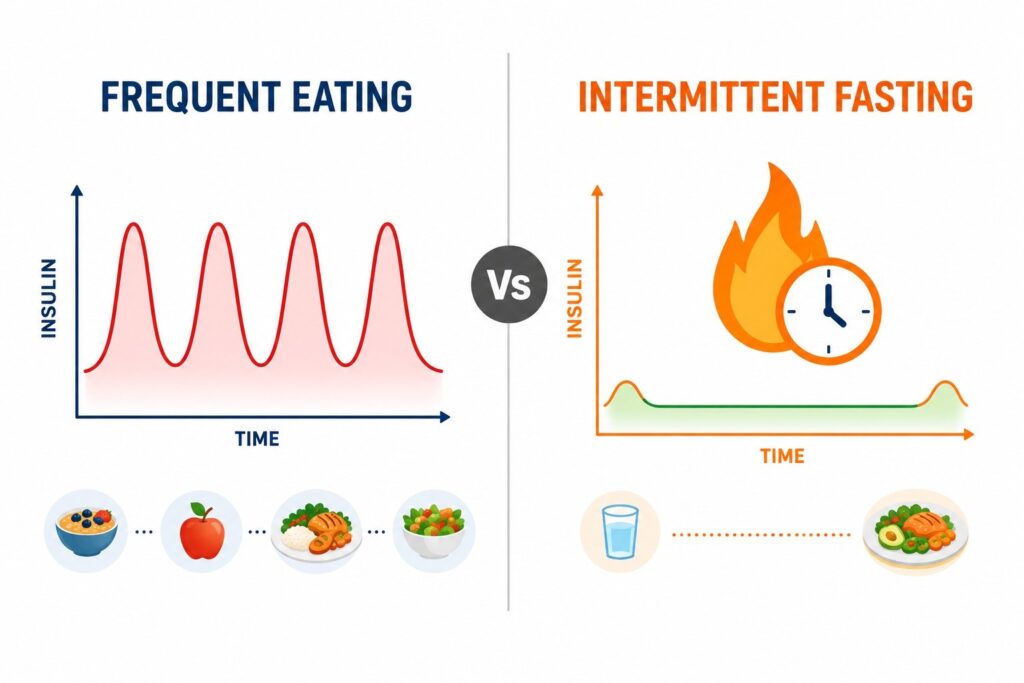
This is exactly where intermittent fasting for fat loss changes the game.
Intermittent fasting (IF) isn’t a diet. It doesn’t tell you what to eat. It tells you when to eat — and that single shift can completely transform how your body uses stored fat. Backed by science, used by millions worldwide, and surprisingly simple to follow even in a traditional Indian lifestyle, IF is one of the most effective fat loss tools available today.
In this guide, we’re going to break everything down — the science, the methods, the mistakes, the best supplements to support your fast, and exactly how to make it work in an Indian routine. No fluff, no hype. Just what actually works.
What Is Intermittent Fasting and Why Does It Work for Fat Loss?
Intermittent fasting is a structured eating pattern that cycles between periods of eating and fasting. The fasting window can range from 12 hours to 24 hours, depending on the protocol you follow.
Here’s the fat loss mechanism in simple terms:
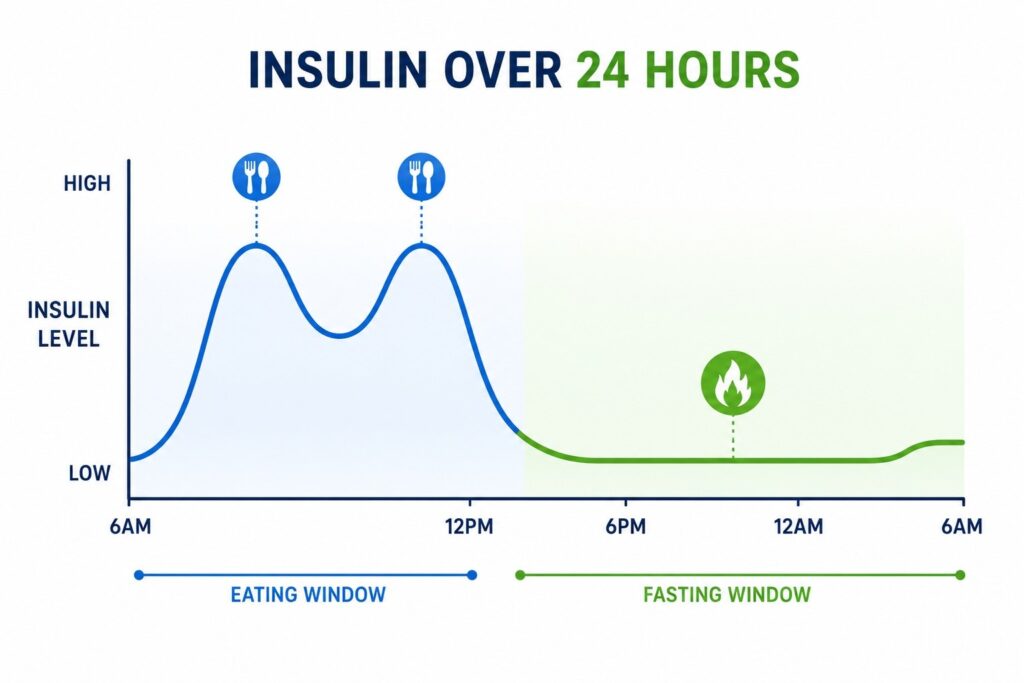
When you eat, your body releases insulin to manage blood sugar. Insulin is a storage hormone — when it’s elevated, your body is storing energy, not burning it. The moment you stop eating, insulin begins to drop. After several hours of fasting, insulin falls to a level where your body starts pulling energy from stored fat (adipose tissue) through a process called lipolysis.
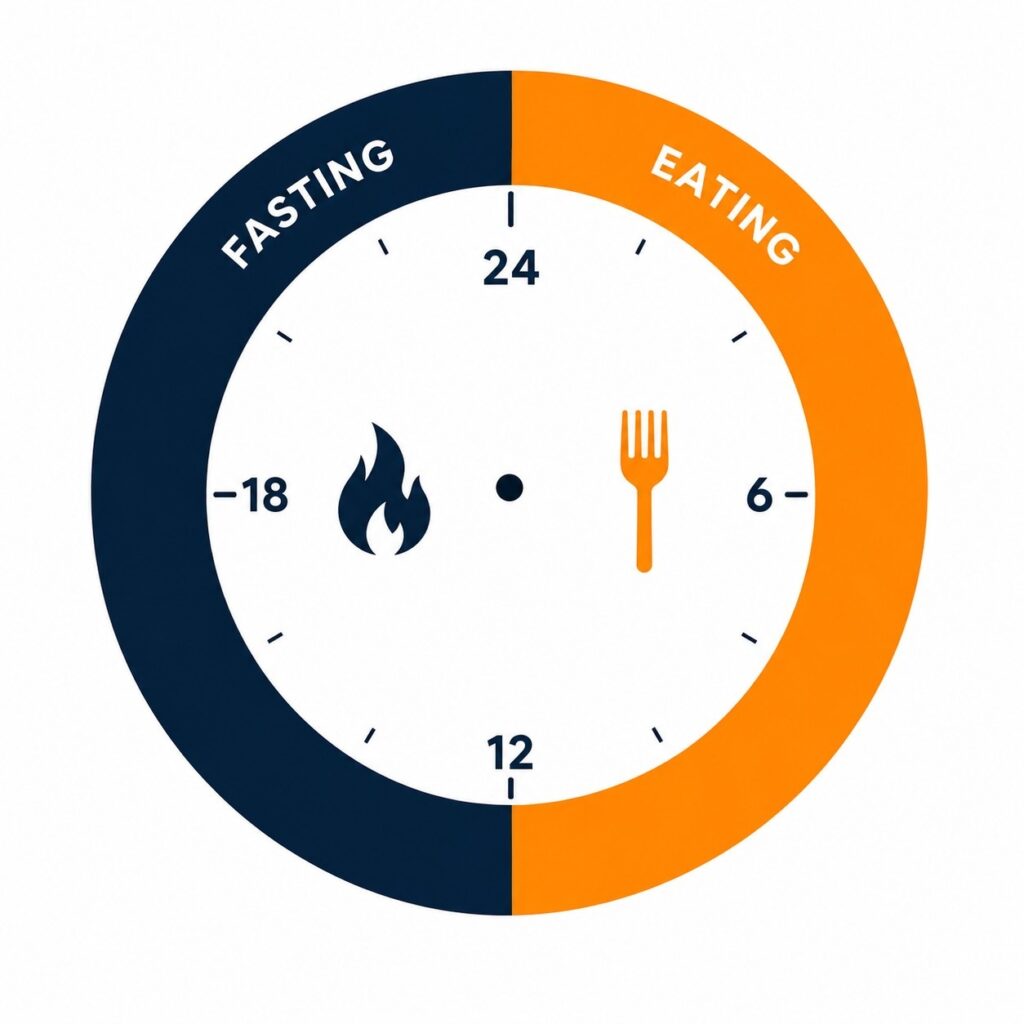
This is why three heavy meals with constant snacking defeats fat loss — insulin never fully drops. Intermittent fasting creates that low-insulin window long enough for fat burning to actually happen.
Additionally, fasting triggers norepinephrine release, which directly signals fat cells to break down stored fat. Growth hormone levels also spike during fasting, which protects muscle mass while accelerating fat loss. This is what makes IF significantly different from simple calorie restriction, which often causes muscle loss alongside fat loss.
10 Important Points About Intermittent Fasting for Fat Loss
1. The 16:8 Method Is the Best Starting Point
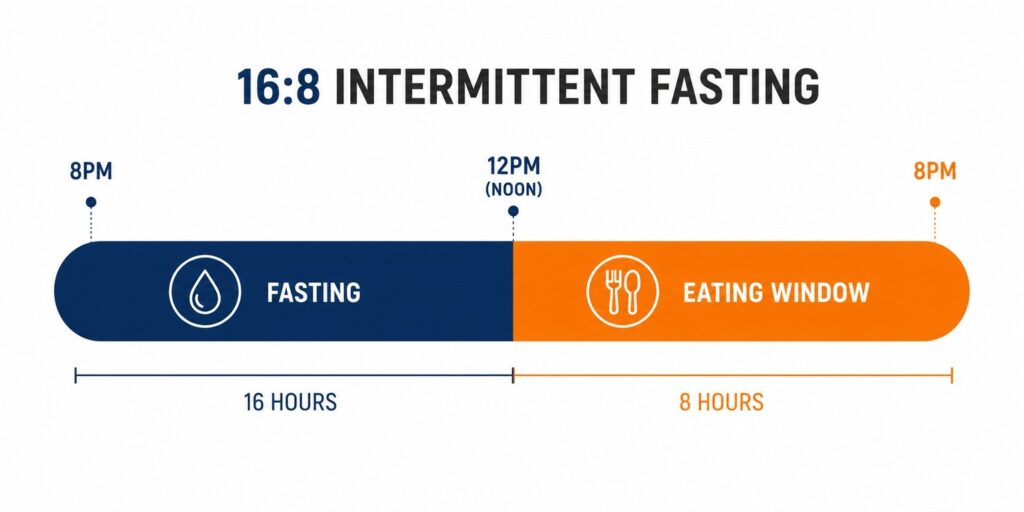
The most popular and beginner-friendly protocol is 16:8 — 16 hours of fasting, 8 hours of eating. For most Indians, this looks like skipping breakfast and eating between 12 PM and 8 PM. This is sustainable, doesn’t disrupt social life much, and is backed by strong research for fat loss.
2. Your Eating Window Quality Still Matters
IF is not a pass to eat anything during your eating window. Protein intake should be high (1.6–2.2g per kg of bodyweight) to protect muscle. Processed carbs, maida, and excessive sugar will slow fat loss even with proper fasting. Whole foods, dals, sabzi, eggs, paneer, and lean meats should form the base.
3. Fasting Doesn’t Mean Zero Calories
Black coffee, plain green tea, and water are all allowed during the fasting window. These have minimal to zero calorie impact and don’t raise insulin. Black coffee is actually beneficial — it mildly suppresses appetite and boosts metabolism through caffeine.
4. Insulin Sensitivity Improves Dramatically
One of the biggest long-term benefits of intermittent fasting is improved insulin sensitivity. A 2019 study published in Cell Metabolism showed that time-restricted eating improved insulin sensitivity even without calorie restriction. Better insulin sensitivity means your body manages blood sugar more efficiently — which reduces fat storage and lowers the risk of type 2 diabetes.
5. Fat Loss Is Not the Same as Weight Loss on the Scale
During IF, you may lose fat while retaining or gaining muscle. This means the scale might not move dramatically, but your body composition is improving. Use measurements (waist, hips, thighs) and how your clothes fit as better progress markers.
6. Sleep Counts as Part of Your Fast
If you eat dinner at 8 PM and sleep by 10 PM, you’re already 6–7 hours into your fast by the time you wake up. Most people find that the 16:8 method requires only skipping breakfast for a few hours in the morning — making it far easier than it sounds.
7. Hunger Peaks Around Day 3–5 and Then Drops
In the first few days of IF, hunger around the usual breakfast time is real and uncomfortable. But the body adapts quickly. By day 4–5, ghrelin (the hunger hormone) adjusts to the new schedule and morning hunger largely disappears. Most long-term IF practitioners report significantly less hunger overall.
8. Hydration Is Non-Negotiable
Dehydration is one of the main reasons people feel fatigued, dizzy, or get headaches during IF. Aim for at least 3–4 litres of water per day. Add a small pinch of pink Himalayan salt to water if you feel lightheaded — this replaces electrolytes without breaking your fast.
9. IF Works Best When Combined With Strength Training
Fasted cardio burns fat, but fasted strength training signals the body to preserve muscle while burning fat. Training in the late fasting window or early eating window (e.g., 11 AM–1 PM on a 12–8 eating schedule) is ideal. This takes advantage of elevated norepinephrine and growth hormone from fasting while ensuring post-workout nutrition is available.
10. Different People Need Different Protocols
16:8 works for most people, but women sometimes respond better to a 14:10 protocol (14 hours fasting, 10 hours eating) to avoid hormonal disruption. People with high physical activity may do better with 5:2 (eating normally 5 days, restricting to 500–600 calories for 2 non-consecutive days). Listen to your body and adjust.
Popular Intermittent Fasting Methods — Comparison Table
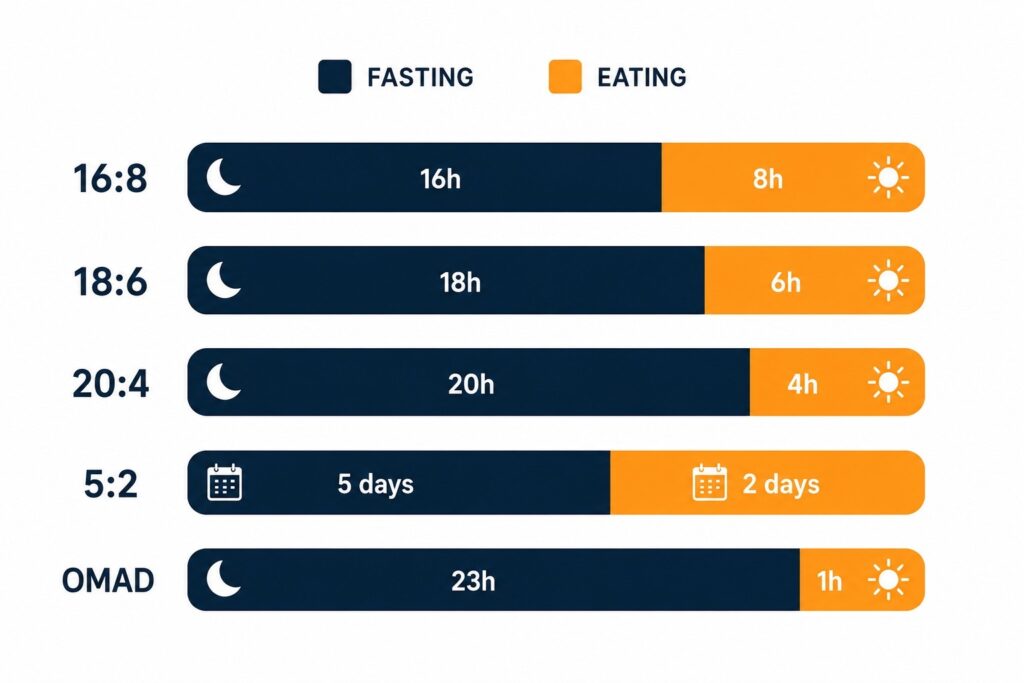
| Method | Fasting Window | Eating Window | Best For | Difficulty |
|---|---|---|---|---|
| 16:8 | 16 hours | 8 hours | Beginners, daily fat loss | Easy |
| 18:6 | 18 hours | 6 hours | Faster results, experienced | Moderate |
| 20:4 (Warrior Diet) | 20 hours | 4 hours | Aggressive fat loss | Hard |
| 5:2 | 2 days at 500 kcal | 5 normal days | Flexible schedules | Moderate |
| OMAD | 23 hours | 1 hour (1 meal) | Maximum fat loss | Very Hard |
| 12:12 | 12 hours | 12 hours | Complete beginners | Very Easy |
Best Supplements to Support Intermittent Fasting for Fat Loss
Intermittent fasting is powerful on its own, but the right supplements can make it more effective, more comfortable, and help you preserve muscle through the process.
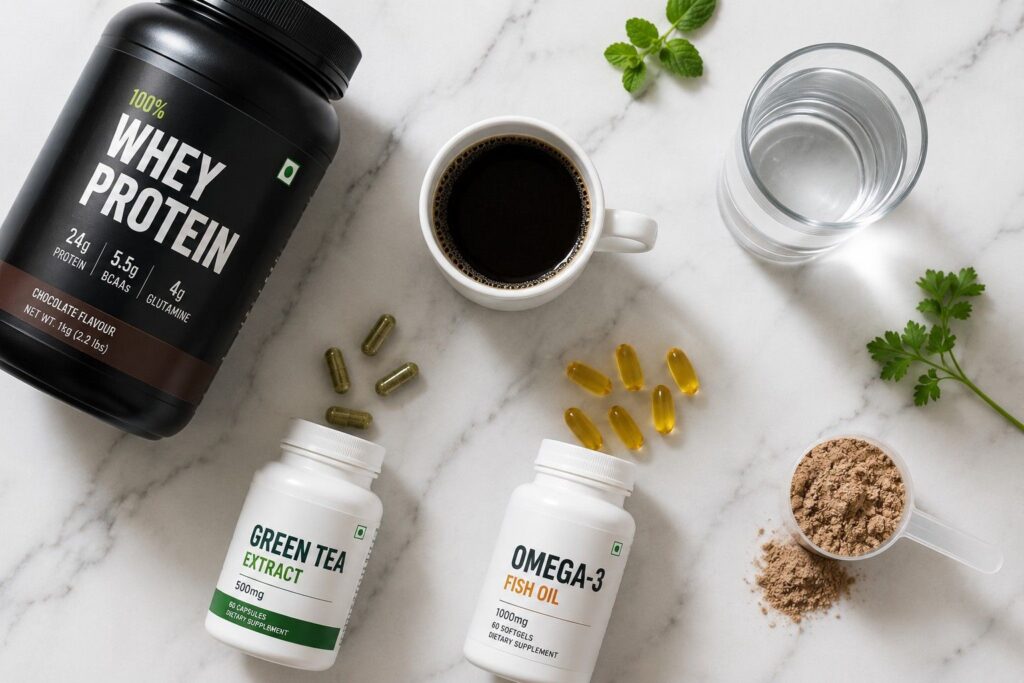
1. Whey Protein
During your eating window, hitting your protein target can be challenging with food alone — especially on a shorter eating window. A high-quality whey protein shake helps you hit 30–40g of protein quickly post-workout or during your eating window. This protects lean muscle and keeps you full longer.
2. Caffeine / Black Coffee / Pre-Workout
Caffeine is one of the few compounds that genuinely works during a fast. It suppresses appetite, boosts metabolism by 3–11% short-term, and improves workout performance. Black coffee (no milk, no sugar) is perfectly fine in the fasting window. A stimulant-based pre-workout can be taken if you’re training near the end of your fast — just avoid versions with BCAAs or high-calorie ingredients that could break the fast.
3. Electrolytes
During extended fasting, sodium, potassium, and magnesium can drop. This causes the classic “fasting headache” or fatigue that many beginners experience and then blame on the fast itself. A zero-calorie electrolyte supplement or even coconut water (taken at the start of your eating window) can fix this quickly.
4. Omega-3 Fish Oil
Fat loss works best in an anti-inflammatory environment. Omega-3s reduce systemic inflammation, support fat metabolism, and improve insulin sensitivity — all of which directly support intermittent fasting goals. Take 2–3g of EPA+DHA daily with a meal.
5. Magnesium Glycinate
Magnesium is often depleted during weight loss and fasting. Low magnesium causes poor sleep, muscle cramps, and increased stress — all of which can stall fat loss. Magnesium glycinate taken at night also improves sleep quality, which has a direct impact on fat loss through cortisol regulation.
6. Green Tea Extract / EGCG
Green tea extract contains EGCG, a compound that works with caffeine to increase fat oxidation. Studies show that green tea extract can increase fat burning by up to 17% during exercise. Taken during the fasting window (capsule form without additives), it’s a clean fat loss booster that doesn’t break the fast.
Step-by-Step Guide: How to Start Intermittent Fasting for Fat Loss
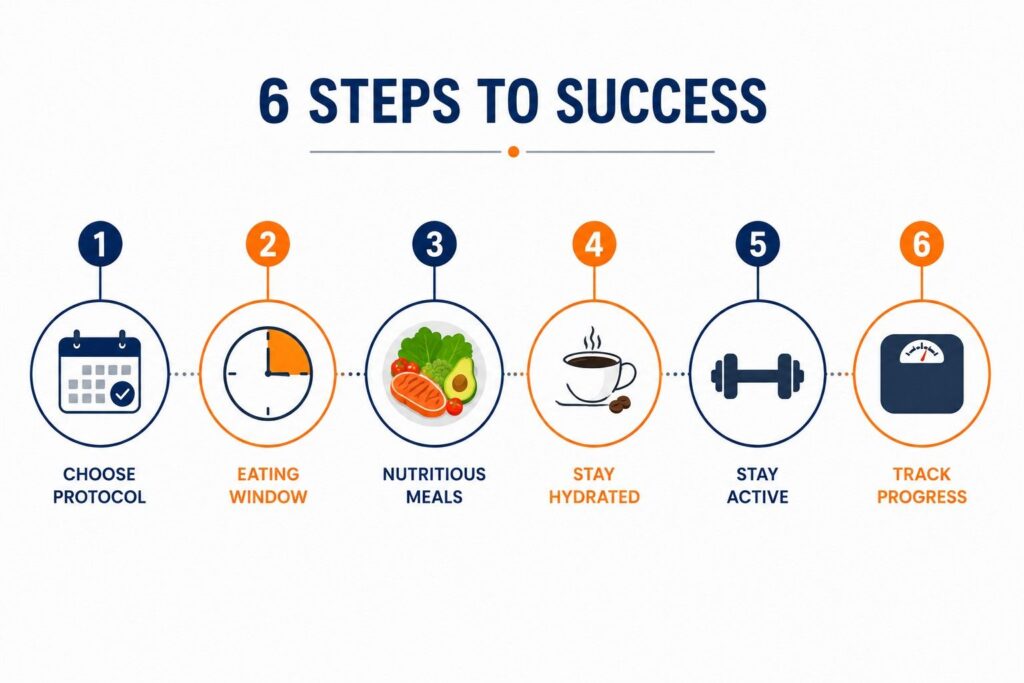
Step 1 — Choose Your Protocol
For beginners, start with 12:12 for the first week, then move to 14:10 in week two, and settle into 16:8 by week three. Don’t jump straight into 18+ hour fasts.
Step 2 — Set Your Eating Window
Pick a window that fits your lifestyle. 12 PM–8 PM works for most Indians because it skips breakfast but allows full family dinner participation.
Step 3 — Plan Your Meals
During your eating window, prioritize protein first. A typical day might look like: 12 PM — whey protein + dal + rice or roti; 4 PM — paneer snack or Greek yoghurt; 7:30 PM — chicken/fish or rajma with sabzi and one roti.
Step 4 — Handle the Fasting Window
Morning routine during the fast: water first thing, black coffee or plain green tea by 8–9 AM, keep yourself occupied till noon. The first 2 weeks are the hardest — after that, it becomes automatic.
Step 5 — Schedule Workouts Smartly
Train at 11 AM (fasted, near the end of your fast) or at 1–2 PM (just after breaking your fast). Both approaches work well. Avoid training at 9 PM if your eating window closes at 8 PM — post-workout nutrition matters.
Step 6 — Track Progress Weekly
Weigh yourself once a week (same day, same time, same conditions). Take waist measurements every two weeks. Don’t obsess over daily fluctuations.
Common Mistakes Beginners Make With Intermittent Fasting
Mistake 1 — Breaking the Fast With the Wrong Foods
Starting your eating window with chai and biscuits or sugary fruit juice creates an insulin spike that counters the fat-burning environment built during the fast. Break your fast with protein and healthy fats first — eggs, nuts, or a protein shake.
Mistake 2 — Eating Too Little During the Eating Window
Some people eat barely anything during their eating window out of fear of breaking results. Chronic undereating causes muscle loss, metabolic slowdown, and hormonal disruption. Eat enough — just within your window.
Mistake 3 — Using Milk, Cream, or Sugar in Morning Coffee
Even 50ml of milk in coffee can raise insulin enough to reduce the fat-burning effect of your fast. Black coffee only during the fasting window.
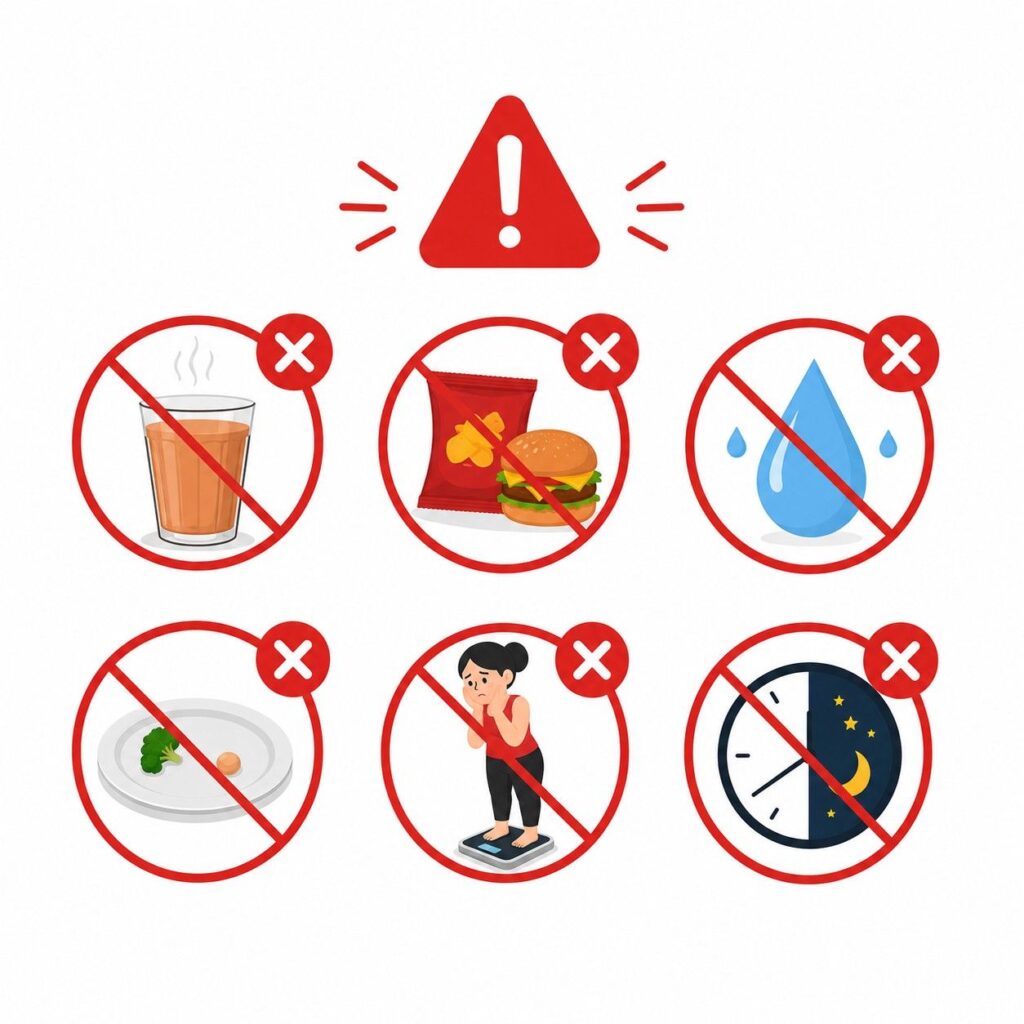
Mistake 4 — Not Drinking Enough Water
Most early IF symptoms (headache, fatigue, irritability) are dehydration, not actual fasting difficulty. Drink more water. Seriously.
Mistake 5 — Expecting Results in 1 Week
Intermittent fasting for fat loss is a process. Noticeable body composition changes typically appear in 4–6 weeks with consistent practice. Trust the process and stay consistent.
Mistake 6 — Ignoring Sleep
Poor sleep raises cortisol, which increases appetite and causes fat storage especially around the belly. IF’s results are significantly blunted by less than 7 hours of sleep. Treat sleep as part of your fat loss protocol.
Practical Tips for Indian Audiences
Following intermittent fasting in India comes with specific challenges — social meals, tea culture, festivals, and food timings. Here’s how to handle them:
- Morning chai culture: This is the hardest part for most Indians. Switch to black coffee or plain green tea. It takes 5–7 days to adjust. Your waistline will thank you.
- Family dinner timing: If dinner happens at 9–10 PM in your household, adjust your eating window to 2 PM–10 PM (20:8 or similar). This is completely valid.
- Festivals and weddings: One social event won’t ruin your progress. Enjoy it, then return to your protocol the next day. Consistency over weeks matters, not one meal.
- Ramadan parallel: Many Indians are already familiar with fasting from religious practice. IF follows similar logic — the body adapts and performs well in a fasted state.
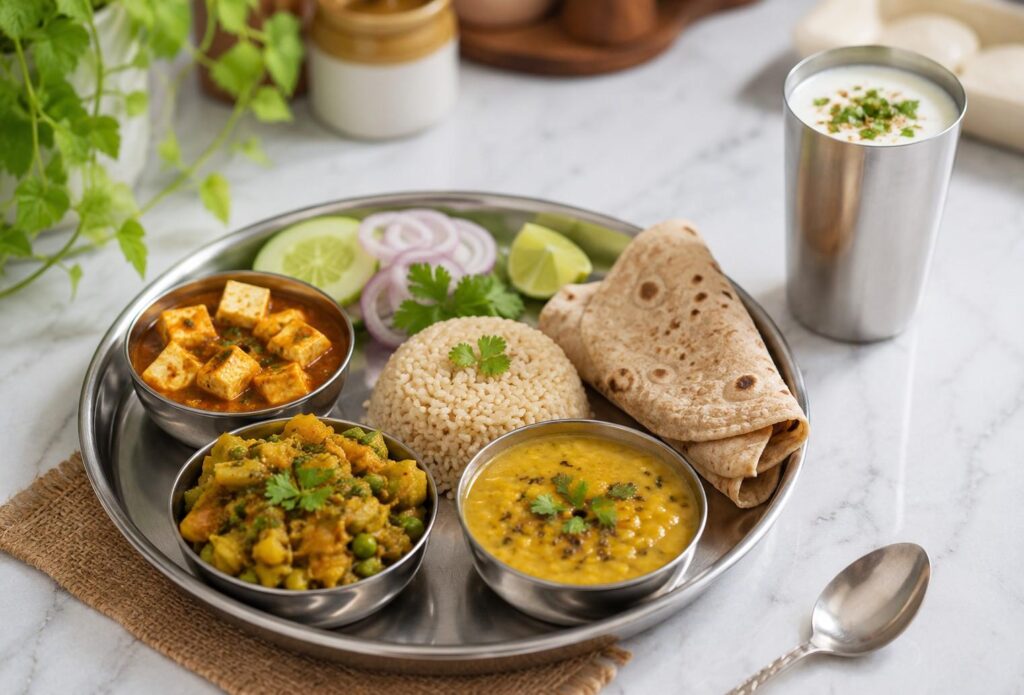
- Desi protein sources during eating window: Dal, chana, rajma, paneer, soya chunks, eggs, curd, and lean chicken are all excellent. Indian cuisine is rich in protein if you focus on the right dishes.
Expert-Backed Evidence on Intermittent Fasting
The science behind intermittent fasting for fat loss is solid and growing:
A landmark study published in New England Journal of Medicine (2019) by Dr. Mark Mattson highlighted that IF improves multiple metabolic markers, reduces visceral fat, and supports long-term weight management — often more effectively than continuous calorie restriction.
Research from Cell Metabolism (2020) showed that time-restricted eating reduced body weight, blood pressure, and LDL cholesterol in metabolic syndrome patients without requiring any calorie counting.
Dr. Valter Longo, professor at USC and director of the Longevity Institute, has spent decades studying fasting and consistently finds that it activates cellular repair processes (autophagy) alongside fat burning, making it beneficial for both body composition and long-term health.
FAQs About Intermittent Fasting for Fat Loss
Q1: Can I drink chai during the fasting window?
A: No — regular chai with milk and sugar breaks the fast due to its calorie and insulin-raising content. Stick to black coffee, plain green tea, or water. If you genuinely cannot function without tea, try plain black tea (no milk, no sugar) as a middle ground.
Q2: Will intermittent fasting cause muscle loss?
A: Not if your protein intake is adequate during the eating window and you’re doing resistance training. IF actually preserves muscle better than simple calorie restriction because growth hormone levels spike during fasting, actively protecting lean mass.
Q3: How long until I see fat loss results with IF?
A: Most people notice initial results (reduced bloating, slightly looser clothing) within 2 weeks. Visible fat loss changes are typically clear by 4–6 weeks of consistent practice.
Q4: Can women follow intermittent fasting?
A: Yes, but women may respond better to slightly shorter fasting windows (14:10 instead of 16:8) to minimize hormonal disruption. Women with PCOS, thyroid conditions, or those who are pregnant or breastfeeding should consult a doctor before starting.
Q5: Can I take my supplements during the fasting window?
A: Plain black coffee, plain green tea, water, zero-calorie electrolytes, and non-caloric supplements (like vitamin D capsules or magnesium tablets without sugar) are generally fine. Avoid protein shakes, BCAAs, gummies, or anything with calories or artificial sweeteners during the fasting period.

Conclusion: The Simplest Fat Loss Tool You Haven’t Fully Used Yet
Intermittent fasting for fat loss works — not because of magic, but because it gives your body the hormonal conditions it needs to actually burn stored fat. Lower insulin, higher norepinephrine, better growth hormone, improved insulin sensitivity. The science is consistent and the results, when done right, are real.
But consistency is everything. One week of IF won’t show you much. Six weeks of it, with proper protein, quality sleep, the right supplements, and sensible training, will change how your body looks and functions.
Start with 16:8. Break your fast with protein. Stay hydrated. Cut the milk from your morning coffee. Train smart. And give it real time.
The fat didn’t arrive in a week — it won’t leave in one either. But intermittent fasting puts you firmly in control of the process.

 Admin
Admin