
 Admin
Admin Can you take pre workout on an empty stomach?
- This is one of the most searched questions by gym-goers across the USA and India — and the answer isn’t a simple yes or no. Whether you’re training fasted at 5 AM or squeezing in a session before breakfast, taking pre workout on an empty stomach affects your absorption speed, energy levels, and stomach comfort in ways most supplement labels never tell you.
- This guide breaks down 7 proven facts so you train smarter and supplement safer.

- The short answer is yes, you can. But whether you should depends on a handful of critical factors — your body type, the ingredients in your supplement, and your training goals. This guide breaks it all down so you stop guessing and start training smarter.
What Happens When You Take Pre Workout on an Empty Stomach?
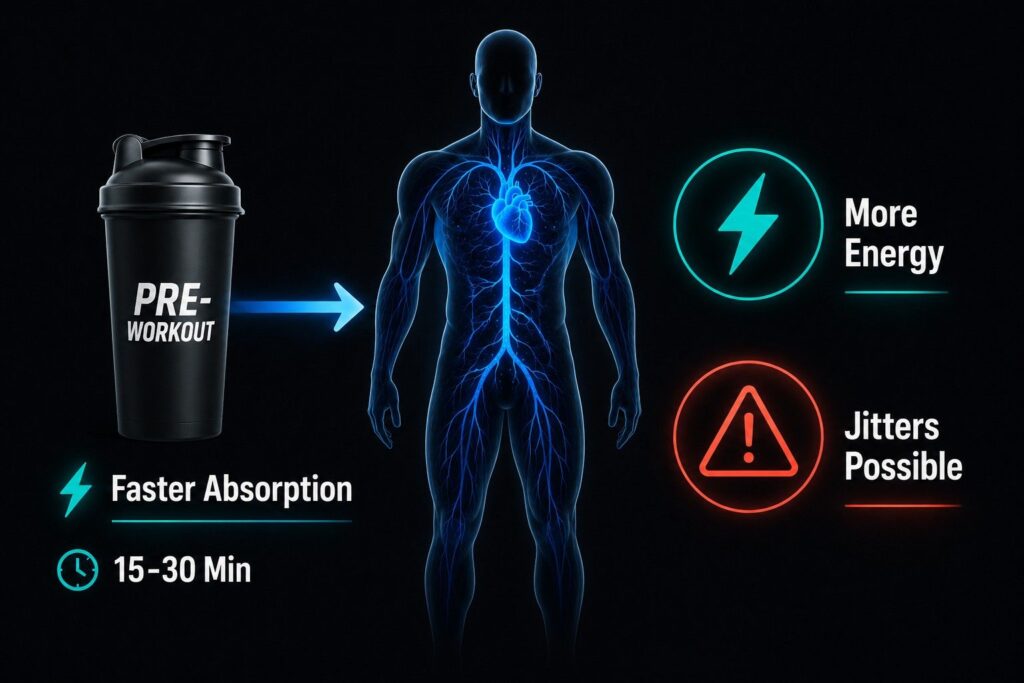
Before we get into the list, here’s the core science you need.
- When your stomach is empty, your gut has nothing competing for absorption. Ingredients like caffeine, beta-alanine, and citrulline enter your bloodstream faster — often within 15–30 minutes versus 45–60 minutes when taken with food. This sounds great on paper, but it also means stimulants hit harder, blood sugar can drop if your body is already in a fasted state, and your gut lining has no protective buffer.
- The result? For some people, it’s a supercharged session. For others, it’s nausea, jitters, and a mid-set trip to the bathroom.
Now let’s get specific.
1.Can You Take Pre Workout on an Empty Stomach for Faster Absorption? — and That’s a Double-Edged Sword
- What the science says: Without food in your digestive tract, your body absorbs caffeine roughly 30–40% faster. A 2019 study published in the Journal of the Academy of Nutrition and Dietetics confirmed that food significantly delays gastric emptying, which slows supplement uptake.
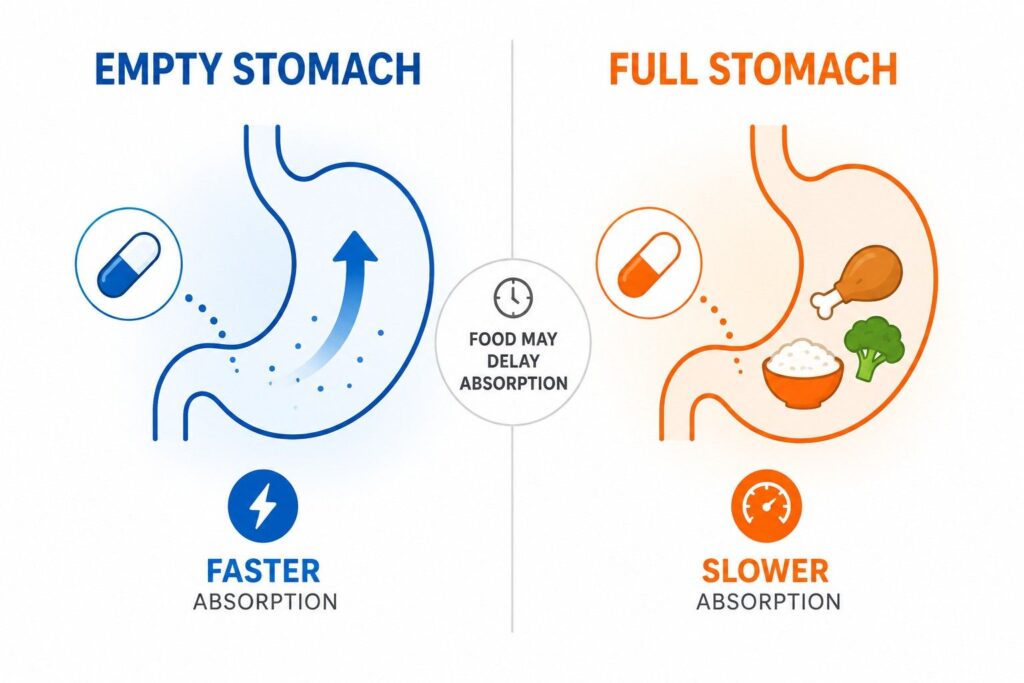
Why this matters for you:
- Your pre-workout kicks in quicker — great for early sessions with no time to waste
- Caffeine’s stimulant effect feels stronger, even at the same dose
- Ingredients like L-citrulline and beta-alanine also absorb more efficiently
The flip side: If you’re someone who’s caffeine-sensitive, taking 200–300mg of caffeine on an empty stomach can feel like 400mg. That’s where the heart-racing anxiety and cold sweats come from.
Recommendation: If you’re new to pre-workout or trying a new product, always have at least a small snack first. Veterans who know their tolerance can experiment with fasted dosing.
Brands to watch — USA: Transparent Labs BULK, Legion Pulse | India: MuscleBlaze PRE (with 200mg caffeine), Nutrabay PRE Surge
2. Taking Pre Workout on an Empty Stomach Can Cause Nausea — Here’s Why
This is the most common complaint from people who take pre-workout fasted, and it’s not just in your head.
- The culprit: Caffeine stimulates gastric acid production. On an empty stomach, that acid has nothing to work on except your stomach lining. Beta-alanine — the ingredient that causes that harmless tingling sensation — can also trigger mild nausea without food as a buffer.
- Additionally, many pre-workout formulas contain creatine, arginine, or niacin, all of which can cause GI discomfort when not paired with food.

Common symptoms when taking pre-workout fasted:
- Nausea (especially in the first 20–30 minutes)
- Loose stools or urgent bathroom visits
- Stomach cramping during warm-up
- That “hollow chest” feeling as stimulants peak
Practical fix: Down 100–150ml of whole milk or a banana 20 minutes before your pre-workout. This gives your stomach a buffer without slowing absorption significantly. Indian athletes — a small bowl of poha or two plain biscuits works perfectly. US gym-goers — half a granola bar or a few rice cakes does the job.
3. Blood Sugar Drops Are a Hidden Performance Killer
Here’s something most people miss entirely.
- When you wake up in the morning after 7–8 hours of sleep, your blood glucose is already at its daily low. Your glycogen stores — the primary fuel for high-intensity training — are partially depleted. Add a caffeine hit on top of this, and your body can trigger a reactive hypoglycemic response.
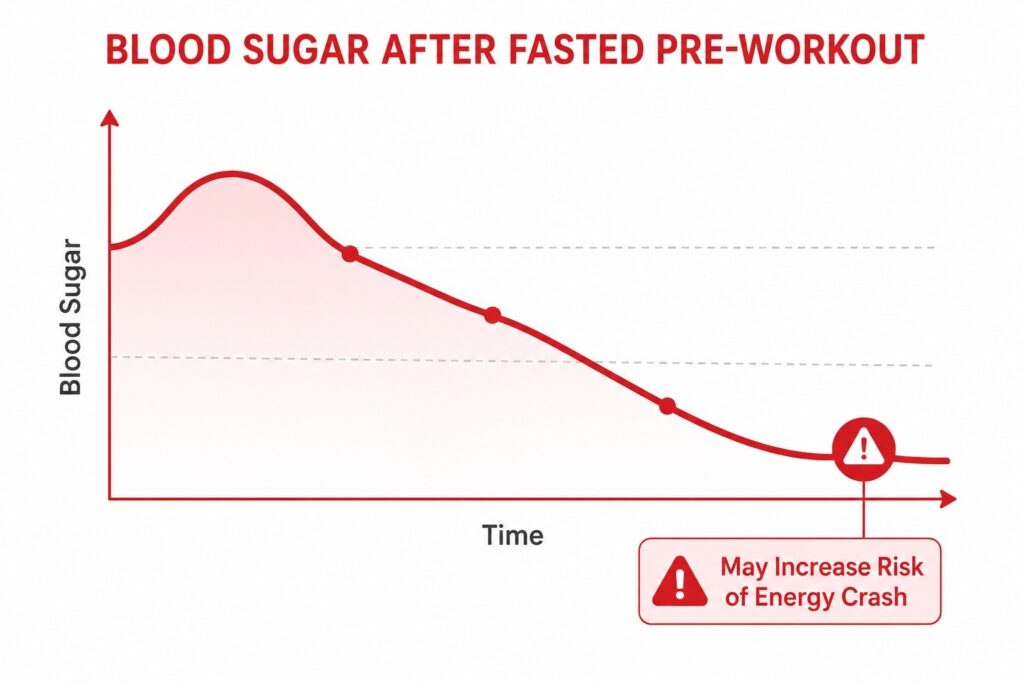
What this looks like mid-workout:
- Sudden weakness in the middle of a set
- Light-headedness when standing up from a squat
- Difficulty concentrating during compound lifts
- That “wall” feeling around the 20-minute mark
Who’s most at risk: Ectomorphs, individuals with naturally low blood sugar, and anyone training for more than 60 minutes at high intensity.
The fix: Even 10–15g of fast-digesting carbohydrates (a few dates, a spoon of honey, or a small fruit) 20–30 minutes before your pre-workout can stabilize blood glucose without breaking fasted training in any meaningful way.
4. Fasted Pre-Workout Can Actually Enhance Fat Burning — Under the Right Conditions
Now here’s the good news that fat-loss athletes want to hear.
- When you train in a fasted state, your insulin levels are low. Low insulin signals your body to mobilize stored fat for fuel. Caffeine — the primary active ingredient in most pre-workouts — is a potent lipolytic agent, meaning it stimulates the breakdown of fat cells.
- A 2020 meta-analysis in the British Journal of Sports Medicine found that caffeine consumption before exercise significantly increased fat oxidation rates, especially in fasted conditions.
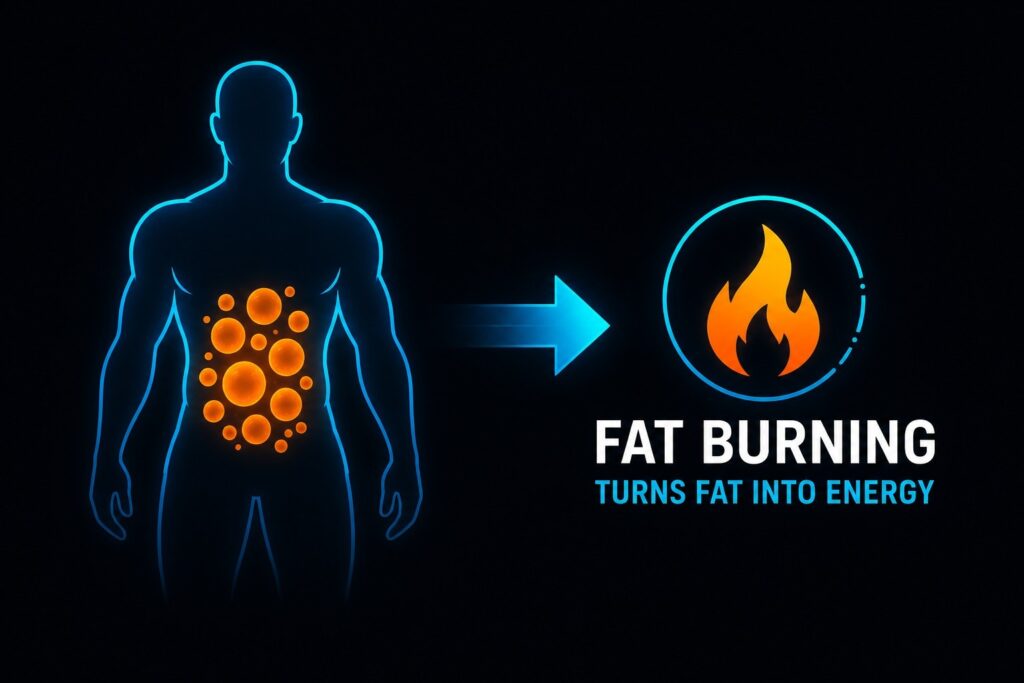
For fat-loss focused athletes this means:
- Caffeine + fasted training = elevated fat mobilization
- Pre-workout stimulants boost metabolic rate by 5–12% during the session
- L-carnitine (present in some pre-workouts) further shuttles fatty acids into mitochondria for fuel
Important caveat: This fat-burning edge is most relevant for low-to-moderate intensity cardio (LISS, zone 2 training). For heavy lifting — squats, deadlifts, bench — you still need glycogen. Fasted heavy lifting without carbs often results in suboptimal strength output.
India-specific note: For those following an intermittent fasting (IF) routine — common in Indian health culture — a stimulant-only pre-workout (no creatine, no carbs) taken during your fasting window before a morning workout can be a smart strategy.

5. Timing Is Everything — The 30-Minute Window You Shouldn’t Ignore
- Most pre-workout labels say “take 20–30 minutes before training.” On an empty stomach, this window narrows.
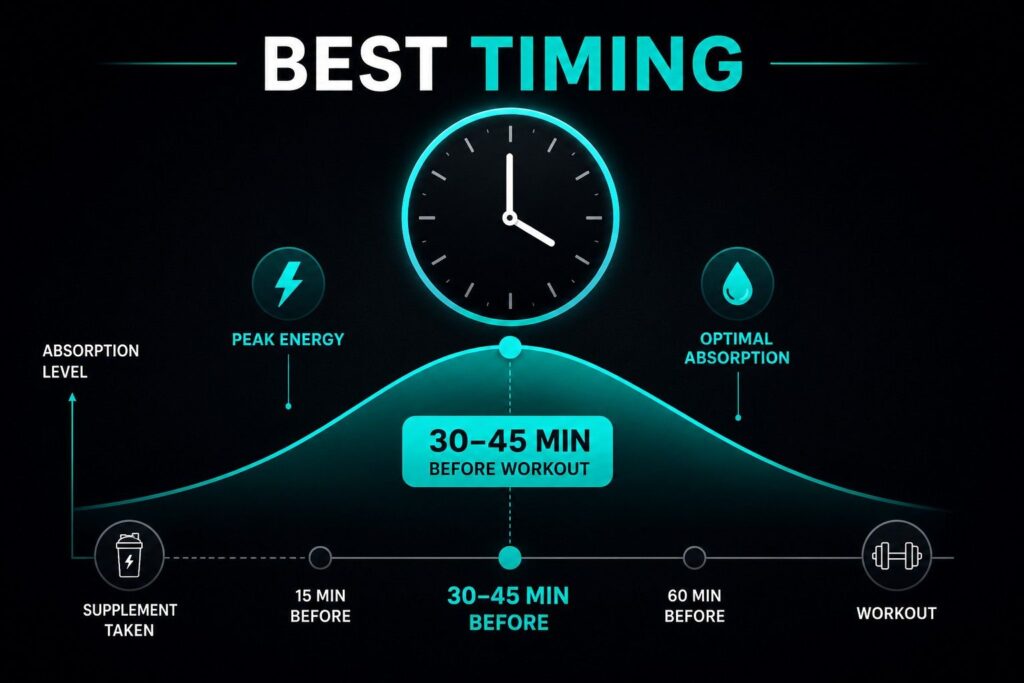
Here’s the fasted absorption timeline:
| Ingredient | Onset (fasted) | Onset (with food) |
|---|---|---|
| Caffeine | 15–30 min | 45–60 min |
| L-Citrulline | 30–40 min | 60–75 min |
| Beta-Alanine | 20–35 min | 45–60 min |
| Creatine | 45–60 min | 60–90 min |
The practical takeaway: If you’re training fasted, take your pre-workout 20–25 minutes before your session, not 45. You’ll hit peak blood plasma levels right as you’re warming up for your first working set.
If you’ve added a small snack, push it to 30–40 minutes to account for the slight absorption delay.
6. Not All Pre-Workout Ingredients React the Same Way on an Empty Stomach
- This is where most generic advice falls apart. Your pre-workout isn’t just caffeine. It’s a multi-ingredient formula, and each compound behaves differently when your stomach is empty.
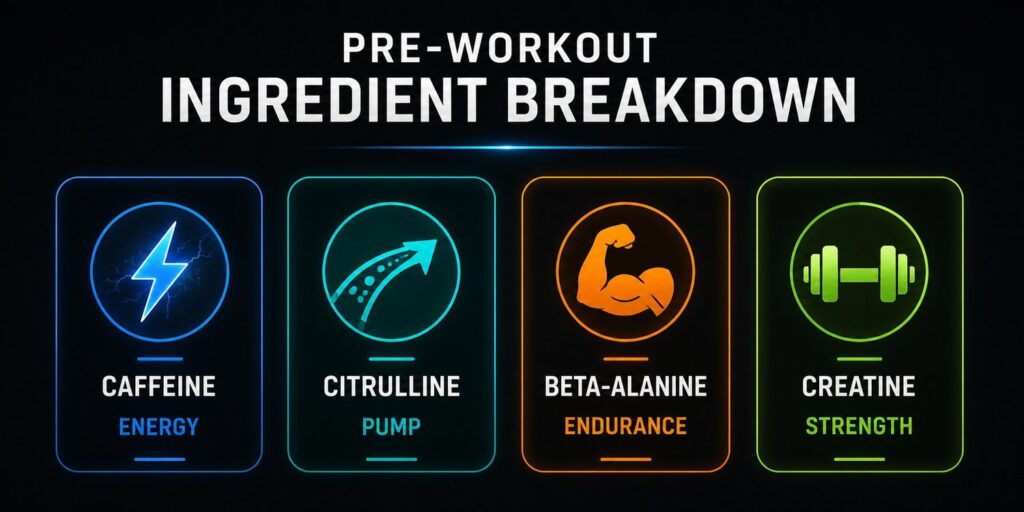
- Caffeine (150–300mg): Absorbs fast, hits hard. Fine for most experienced users fasted. Can cause anxiety and elevated heart rate in caffeine-sensitive individuals.
Beta-Alanine (3.2–6.4g): The “tingly” ingredient. Causes more intense paresthesia (that pins-and-needles feeling) fasted. Not dangerous, but can feel alarming if you’re not used to it.
Creatine Monohydrate (3–5g): No real benefit to taking creatine fasted. Creatine is a long-term muscle saturation supplement — timing matters very little. However, on an empty stomach, it can cause mild bloating.
L-Citrulline (6–8g): Converts to arginine in the kidneys and boosts nitric oxide (NO) production. Absorbs well fasted. Excellent for pumps even without food.
Niacin (Vitamin B3): Causes “niacin flush” — redness and warmth in the skin. This reaction is significantly more intense on an empty stomach. Not dangerous, but can be uncomfortable.
BCAA/EAA blends: If your pre-workout contains branched-chain or essential amino acids, fasted use is actually beneficial. Amino acids help signal muscle protein synthesis and can prevent muscle catabolism during fasted training.
Pro tip for Indian athletes: MuscleBlaze PRE Workout and Big Muscles Extreme Rush both contain beta-alanine at clinical doses. Beginner tak fasted loge toh pehle lower dose se shuru karo (start with a half serving first).
7. Who Should Never Take Pre Workout on an Empty Stomach?
- Being honest here matters more than telling you what you want to hear.
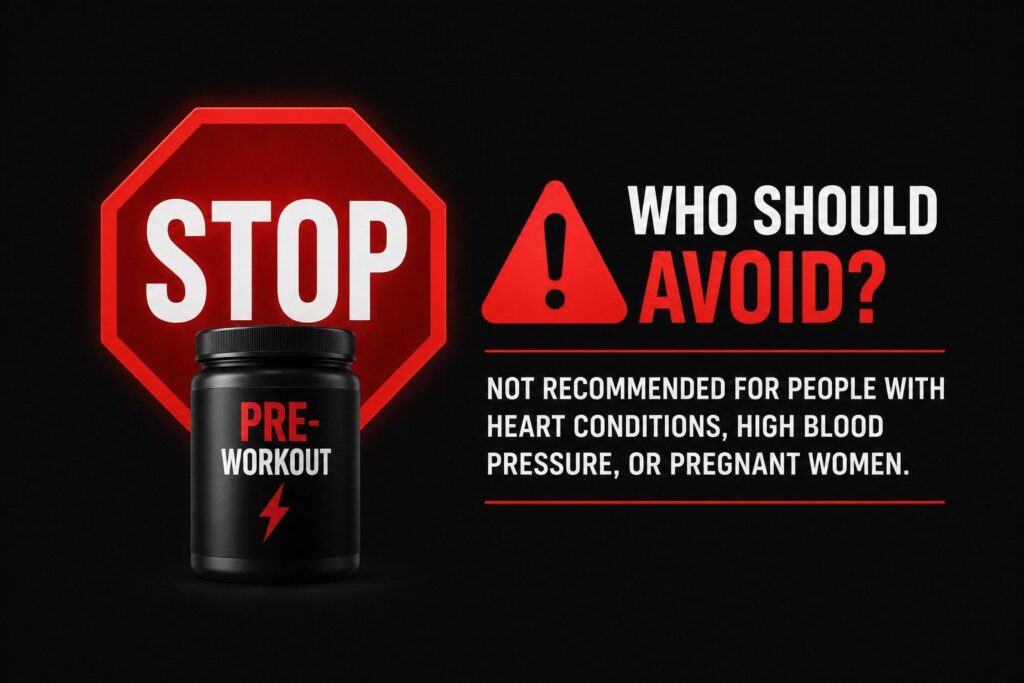
Skip fasted pre-workout if you have any of these:
- Gastric issues or acid reflux (GERD): Caffeine relaxes the lower esophageal sphincter. On an empty stomach, this can trigger severe acid reflux and heartburn mid-workout. Always eat first.
- Anxiety disorders: Fasted caffeine increases cortisol and adrenaline more sharply than fed-state consumption. If you already struggle with anxiety, this can trigger panic-adjacent symptoms.
- Hypoglycemia or diabetes: Blood sugar management becomes significantly more complex when stimulants are added to an already low-glucose fasted state. Consult your doctor.
- First-time pre-workout users: Never take your first pre-workout fasted. You don’t know your tolerance. Always test with food first to understand how your body responds to the ingredients.
- Women who are pregnant or breastfeeding: Pre-workouts contain stimulants contraindicated during pregnancy regardless of fed/fasted state.
- Anyone under 18: Pre-workout supplements are not recommended for teenagers, period.
Proven Protocol: How to Take Pre Workout on an Empty Stomach Safely:
If you’ve read this far and still want to train fasted with pre-workout (which is completely valid), here’s the optimized approach used by experienced athletes:
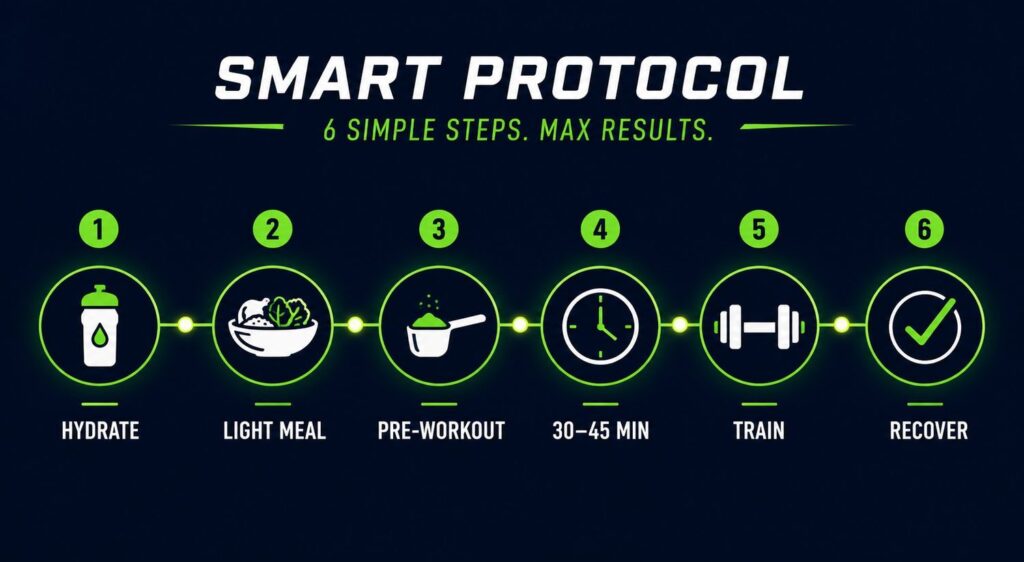
Step 1 — Hydrate first. Drink 400–500ml of water when you wake up. Fasted dehydration compounds pre-workout side effects.
Step 2 — Start with half a serving. If you’re new to fasted pre-workout use, cut your dose in half. A half serving of most pre-workouts still delivers a meaningful performance boost.
Step 3 — Choose a simpler formula. Look for pre-workouts with just caffeine, citrulline, and electrolytes. Avoid formulas heavy with niacin, arginine, or multiple stimulants when training fasted.
Step 4 — Sip, don’t chug. Take your pre-workout slowly over 5 minutes rather than all at once. This reduces the gastric acid spike.
Step 5 — Add a small buffer if needed. 5–10 dates, a spoon of peanut butter, or even a glass of milk is enough to prevent nausea without eliminating the benefits of fasted training.
Step 6 — Monitor how you feel. Track sessions where you train fasted with pre-workout. If you notice consistent energy crashes, nausea, or poor performance, your body is telling you it needs fuel first.
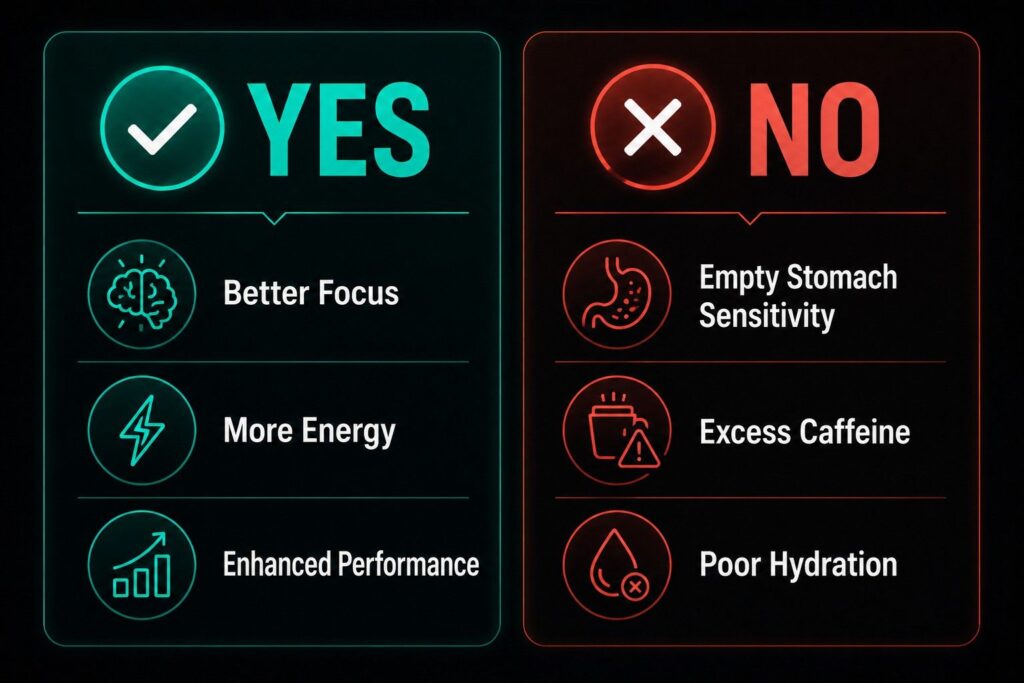
Quick Summary: The Truth About Pre-Workout on an Empty Stomach
| Factor | Verdict |
|---|---|
| Absorption speed | Faster ✓ |
| Fat burning potential | Higher ✓ |
| Stimulant effect | Stronger (could be too strong) |
| Nausea risk | Elevated |
| Performance for heavy lifting | May be suboptimal |
| Best for | Fasted cardio, IF athletes, experienced users |
| Not ideal for | Beginners, sensitive stomachs, GERD, anxiety |
Final Word: Listen to Your Body, Not Just the Label
- The pre-workout industry — whether you’re buying Transparent Labs in the US or MuscleBlaze in India — isn’t going to tell you “hey, this might wreck your stomach if you train fasted.” That’s your job to figure out, and now you have the knowledge to do it.
- For most experienced athletes, taking pre-workout on an empty stomach is completely safe and can even enhance performance — especially for cardio, fat loss, or early morning sessions. For beginners, those with sensitive stomachs, or anyone training for maximum strength, pairing your supplement with a light snack is the smarter, more sustainable choice.
Train smart. Supplement smarter.
Want to know more? Visit our other blog here. https://coresuppliments.com/how-to-take-pre-workout-for-maximum-results/, https://coresuppliments.com/what-does-pre-workout-supplement-do/

 Admin
Admin